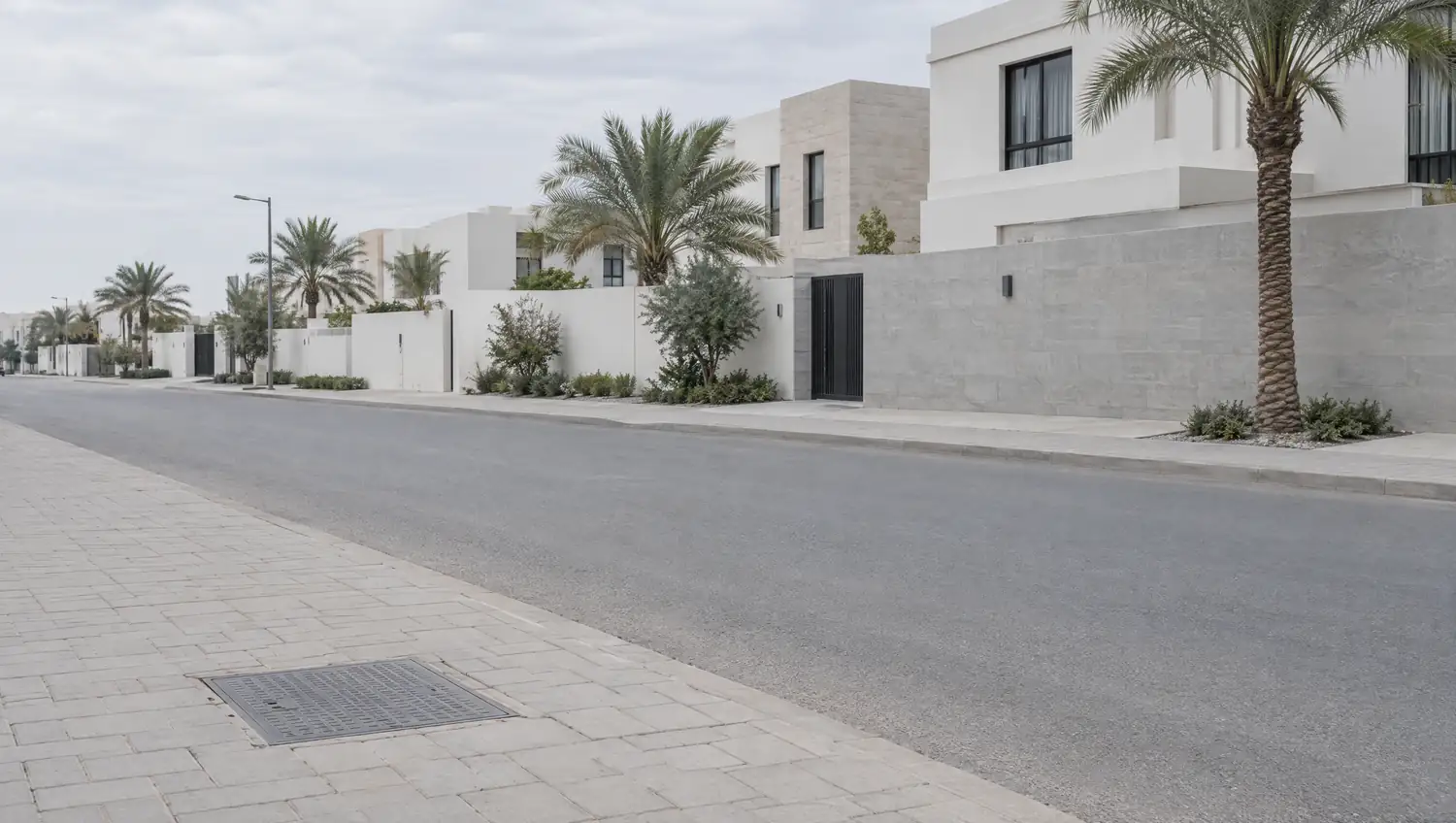
Supply pipework
Hot and cold PPR lines run inside walls to each fixture
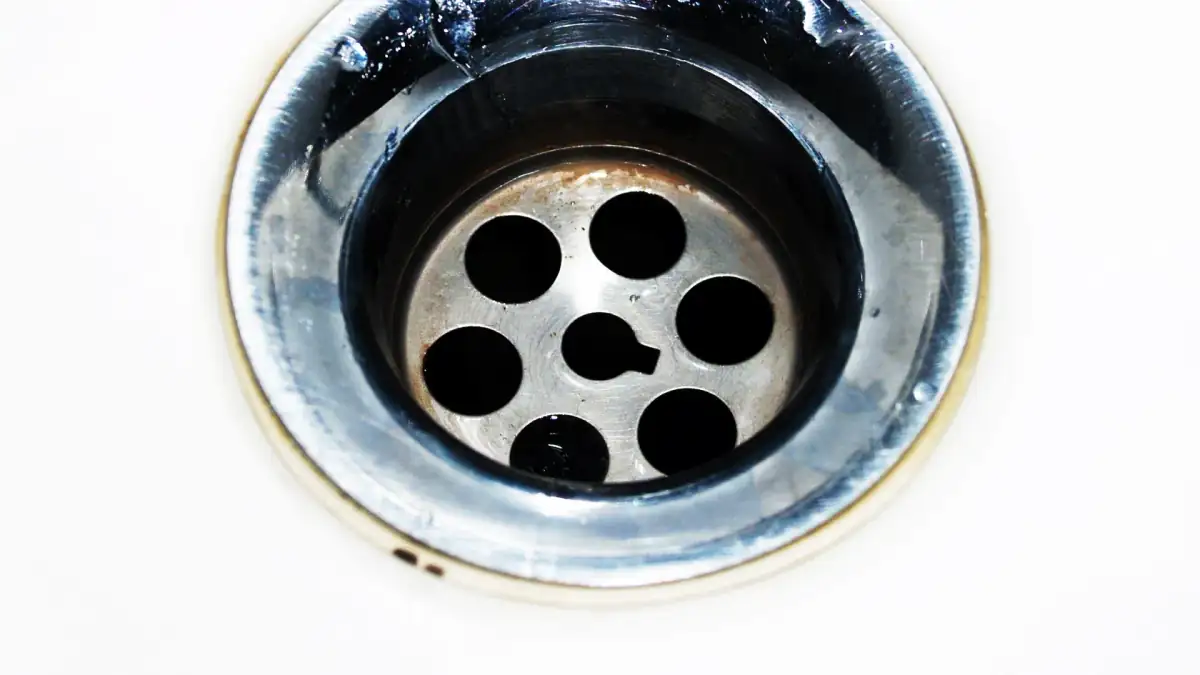
Plumbing installations
Supply and drain lines set to correct gradients with isolation valves fitted before plastering, so no hidden leak forces tiles open later
Supply and drain pipework for bathrooms and kitchens from rough-in to pressure test
Hot and cold PPR lines run inside walls to each fixture
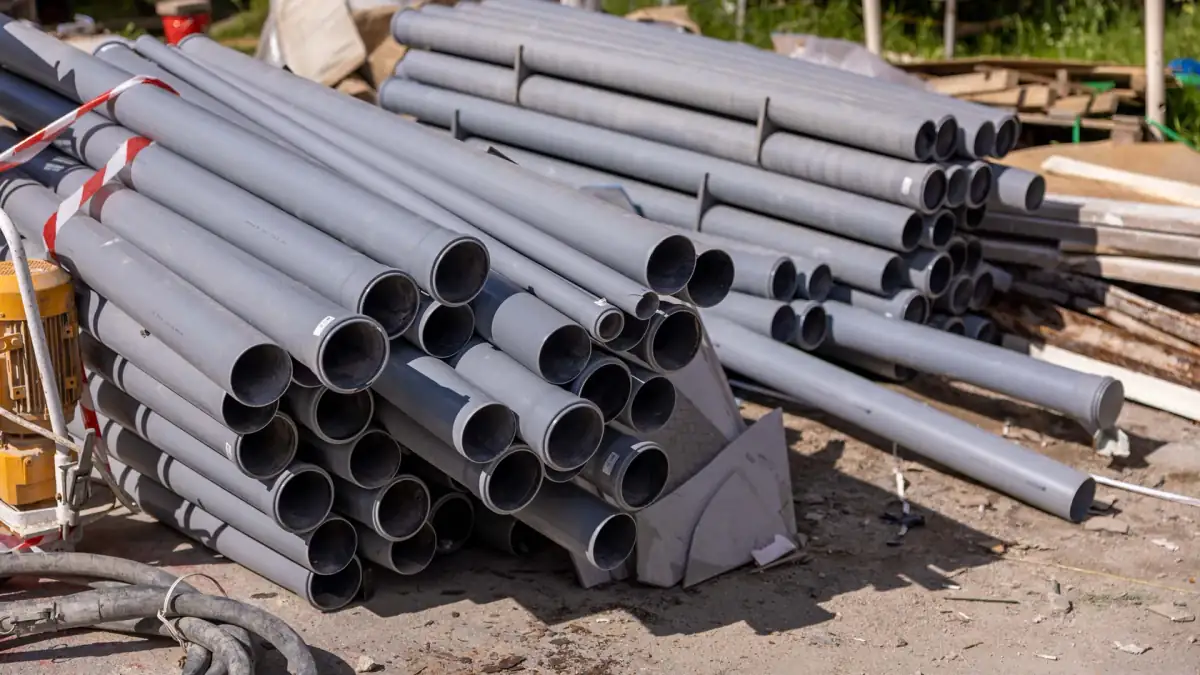
uPVC drain pipes set at correct fall to prevent sediment buildup
Dishwasher, sink and grease-trap connections run and tested
Individual valve per circuit so one fixture shuts off independently
Network pressurised before plastering to expose any weak joint
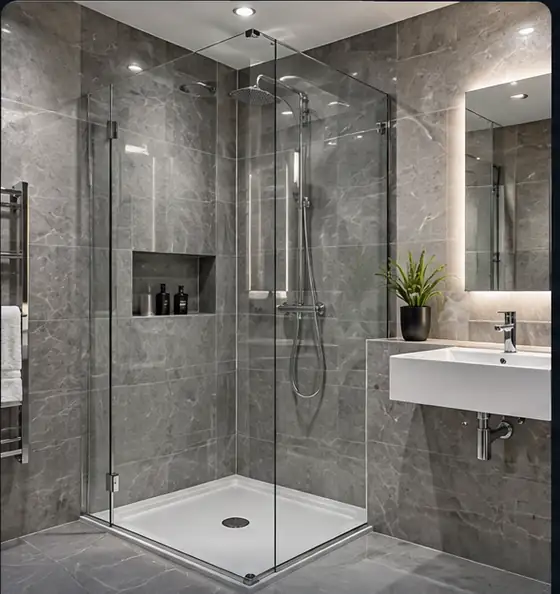
Toilets, basins and mixers connected after final finishes are complete
Describe the bathroom or kitchen and the work needed
Visit to measure distances and map the pipe routes
Supply and drain pipes run before any plastering or tiling
Network pressurised to confirm every joint holds before walls close
Fixtures and mixers connected after finishes and work handed over
A damp stain behind the bathroom or kitchen wall points to a leaking joint hidden in the plaster
Persistent dripping heard inside a wall with all taps closed means a supply line is leaking
Water pooling in the basin or kitchen sink suggests wrong drain fall or an undersized trap
Any renovation exposing bathroom or kitchen walls is the right moment to inspect and replace aged pipework
Closing walls before a pressure test hides weak joints until damp appears after occupancy
Too shallow a fall lets grease and solids settle, causing repeated kitchen drain blockages
A fixture without its own valve forces a full building shutoff for even a minor repair
Joining old galvanised iron directly to PPR without a proper adapter creates a leak under first pressure
Part of Plumbing installations · All services · Back to the home page
No fixed rate applies; the quote depends on site conditions and the factors below
Each fixture adds pipe length, fittings and a valve to the total
Opening tiled or plastered surfaces and making good raises the overall cost
PPR and uPVC carry different material costs depending on specification required
Upper-floor flats or kitchens with complex layouts take longer to complete
Fixing sanitaryware and mixers after finishing is priced separately from rough-in work
Same method, same equipment. Only the size of the job changes.
Why us
Amana means trust. Someone else’s home is not ours to be careless in.
Do not take our word for it. Look at the work yourself.
The leak is marked before a single tile comes up.
A leak does not wait for the morning.
Six governorates, 139 areas.
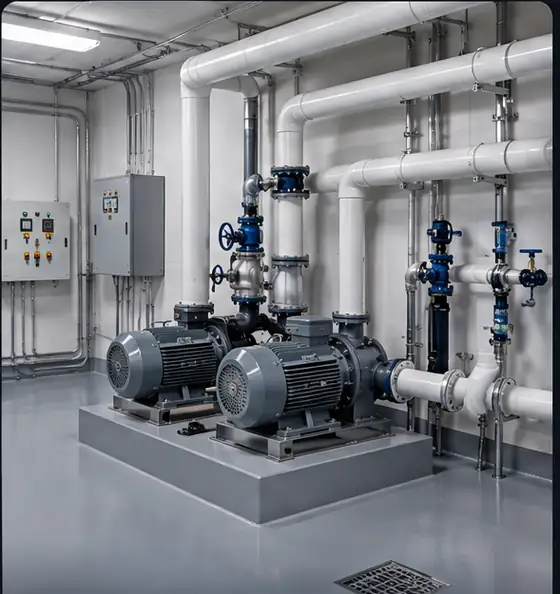
For buildings and complexes, servicing before the problem starts.
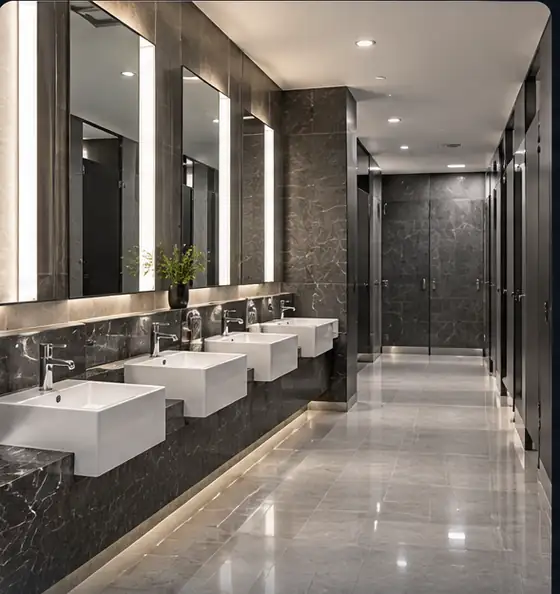
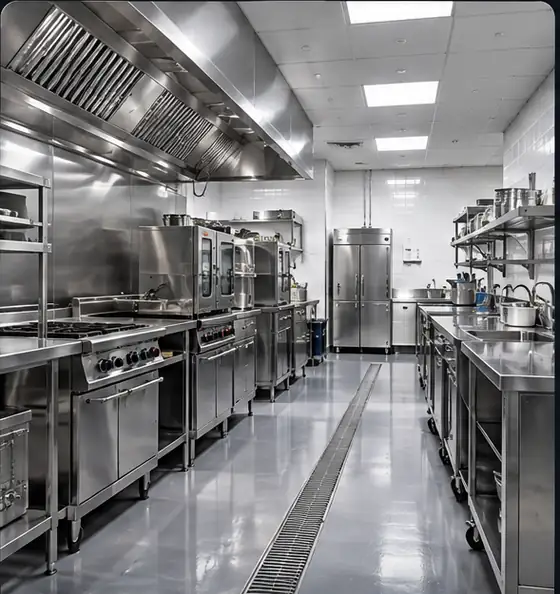
Restaurants, offices and complexes, not only homes.
Six governorates, 139 areas.
Common questions
Need someone now? The emergency line is open any hour.
+965 9668 4964
Yes, but moving a toilet or basin means rerouting the entire drain to maintain correct fall. The further the fixture moves from the main stack, the more complex the work becomes.
This is water hammer, caused by high supply pressure and insufficient pipe clips inside the wall. Adding support clips or fitting a pressure-reducing valve at the flat inlet usually resolves it.
Hard water leaves mineral scale at joints and valve seats, raising pressure on fittings over time. Choosing the right pipe material and fitting isolation valves makes future maintenance much simpler.
The heater supply line is roughed in and capped during installation, then connected once the heater is in place. Early coordination avoids reopening finished walls later.
The pipe types are similar, but kitchen drains need a larger diameter to handle grease, and dishwasher and washing-machine connections require separate takeoffs. Correct fall matters more in a kitchen because grease solidifies on pipe walls.