Collector panel check
Absorber tubes, flow channels and surface condition inspected for faults
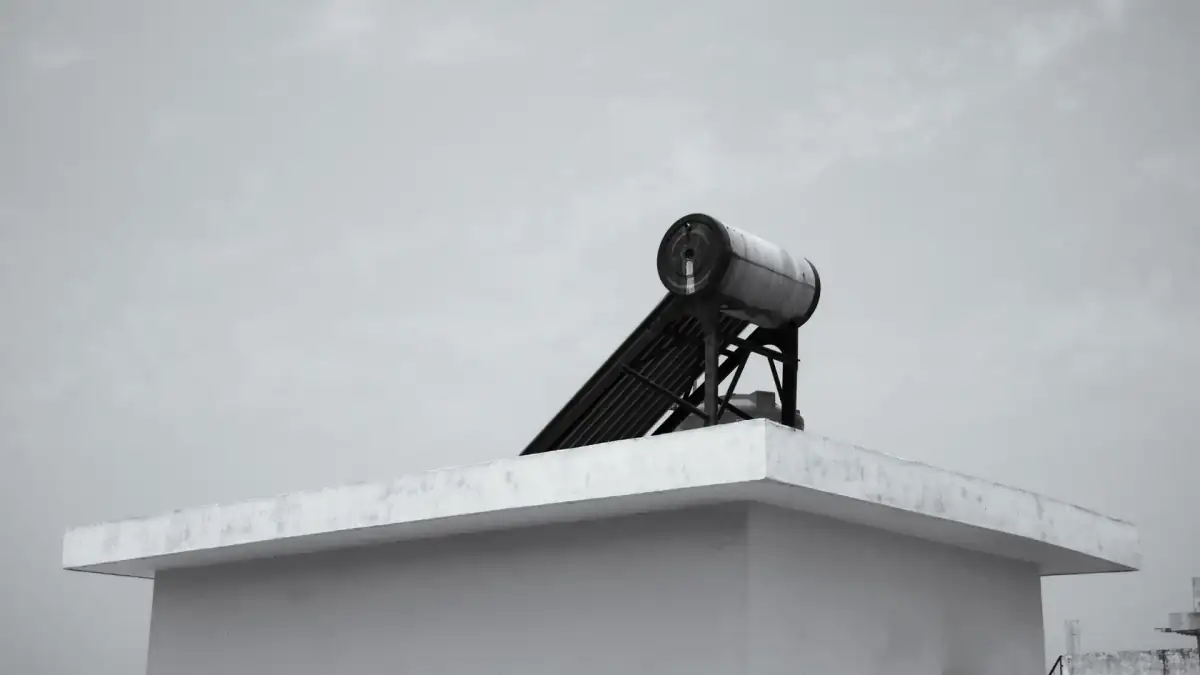
panel to hot-water tap, every part of the solar system assessed and repaired
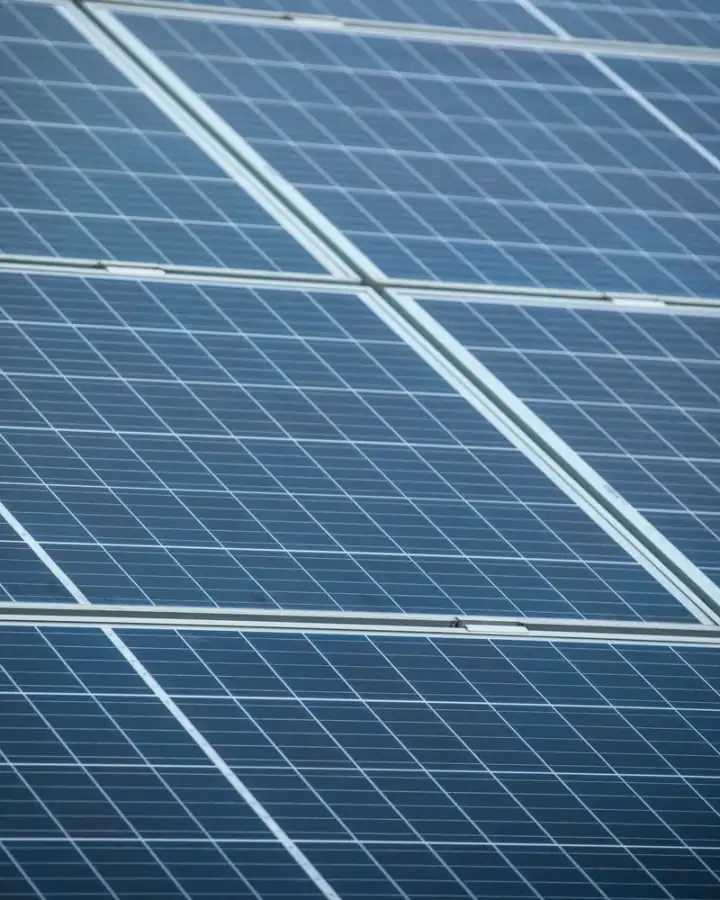
Absorber tubes, flow channels and surface condition inspected for faults
Tank body, thermal insulation layer and sacrificial anode condition assessed
Circulation pump, valves and connecting pipework between panel and tank
Thermostat calibration, expansion vessel pressure and safety valve checked
Acoustic and visual tracing of panel and pipe leaks before any breaking
Pressure and temperature test confirms full output is restored before leaving
Describe the fault and panel location to schedule a visit
Panel, tank and loop inspected to find the real cause
Owner is shown findings and approves the work before it starts
Faulty parts replaced, connections sealed, circuit tested
Pressure and temperature test done before handover to owner
Applied to panel joints and pipe fittings to pinpoint the leak before any tile or surface is broken
Detects the sound of water escaping behind surfaces without cutting or excavating first
Withstands the high thermal expansion of a solar loop under Kuwait's intense roof-level sun
Used on all solar circuit connections to hold at temperatures that standard sealants cannot tolerate
Note whether the panel sits flat or on an angled frame, and whether roof access is clear
State whether output dropped gradually or stopped suddenly, and if any damp patch is visible
If you know the tank capacity and whether the loop is open or pressurised, share that detail
Close the cold-water inlet to the heater if a visible leak is already running to limit damage
A solar heater system stretches from the rooftop panel down to the point of use inside the building, so the technician starts at the collector panel, checks the absorber tubes and panel connections, then follows the circuit to the tank and indoor pipework. Kuwait's hard water deposits scale progressively inside the panel tubes and tank walls, which means output falls gradually rather than stopping without warning, and many owners delay calling until the hot water is barely usable.
The technician applies leak detection fluid to panel joints and uses an acoustic probe on buried pipe runs before breaking any surface. Kuwait's rooftop conditions impose large temperature swings between summer and winter, which repeatedly expand and contract the pipework and stress its joints; if the sealant used is not heat-rated for a solar circuit it fails early. A leak from the rooftop loop often shows on the ceiling of the top floor indoors before anyone notices anything at the panel itself.
After the repair the technician runs a pressure test across the full circuit and reads the temperature at the nearest hot tap to confirm the system is producing at full capacity. The expansion vessel and safety valve are checked on every visit because they protect the tank from overpressure on the hottest days. If the tank is old and its inner wall is heavily corroded, the technician explains the options clearly so the owner can decide whether repair or replacement makes better sense for their situation.
Part of Water heaters · All services · Back to the home page
No fixed price list; these factors shape the final quote for each job
Replacing the circulation pump or absorber panel differs greatly from a thermostat swap
Difficult roof access or a high mounting position affects labour time and cost
Larger tanks require more materials and longer flushing and refill time
Tracing a leak inside walls or under tiles adds detection steps and additional time
Visits outside regular working hours are charged at a different rate
Same method, same equipment. Only the size of the job changes.
Why us
Amana means trust. Someone else’s home is not ours to be careless in.
Do not take our word for it. Look at the heater yourself.
The element and thermostat first, not a new heater.
A dead heater does not wait for the morning.
Six governorates, 139 areas.
For buildings and complexes, servicing before the problem starts.
Offices, complexes and buildings, not only homes.
Six governorates, 139 areas.
Common questions
Need someone now? The emergency line is open any hour.
+965 9668 4964
Lower winter sun angle and reduced radiation naturally cut output. If the drop is sharp, scale deposits inside the absorber tubes are usually blocking heat transfer, a problem that builds up slowly and shows most clearly in lower-light conditions.
Yes. A rooftop leak travels through structural layers before showing on an interior ceiling, making the source harder to trace without a camera or acoustic probe. Breaking any surface before inspection adds cost without improving accuracy.
Yes. The service covers homes, apartment complexes and commercial buildings across all 6 governorates and 139 areas of Kuwait.
It cannot be told from the outside. The technician reads the fluid temperature at the panel, compares it with the tank reading and checks the circulation pump, which isolates which part of the circuit is not performing its role.
Yes. Scale builds silently inside the panel and tank, and the safety valve and expansion vessel degrade over time. Periodic checking finds these issues before they become a sudden breakdown or a leak that damages the ceiling below.
If reduced output stems from scale, a faulty pump or a failed thermostat, repair fully restores performance. If the tank wall or absorber surface has permanent damage, the technician explains that clearly after inspection so the owner can decide.