Fault diagnosis
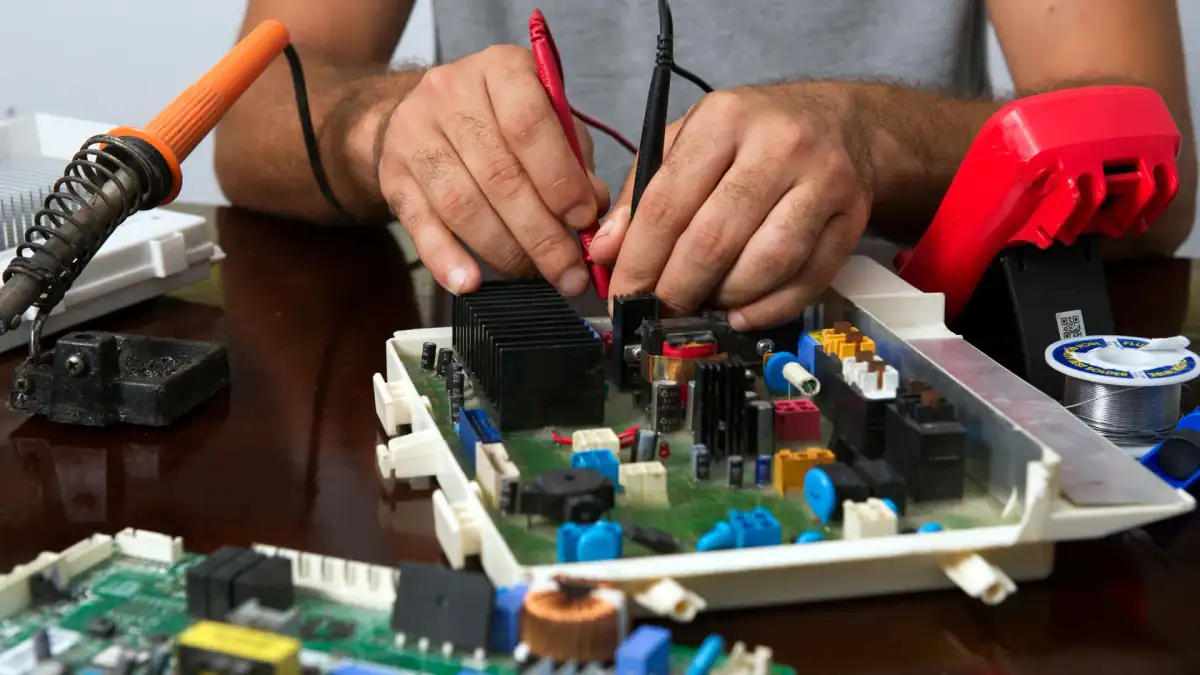
Element, thermostat and wiring tested before any parts are removed
Water heaters
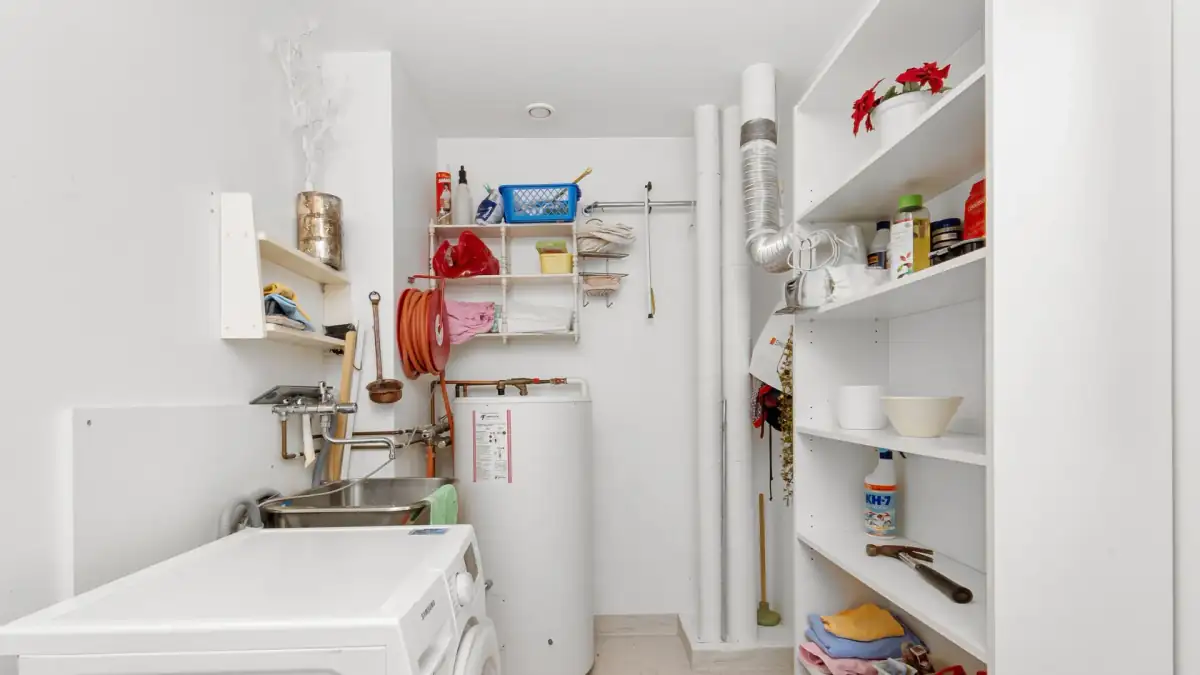
We pinpoint the fault before dismantling anything, replace the element or thermostat or seal the leak, then confirm the water heats properly again
Every electric heater fault from first diagnosis through to confirmed hot water
Element, thermostat and wiring tested before any parts are removed
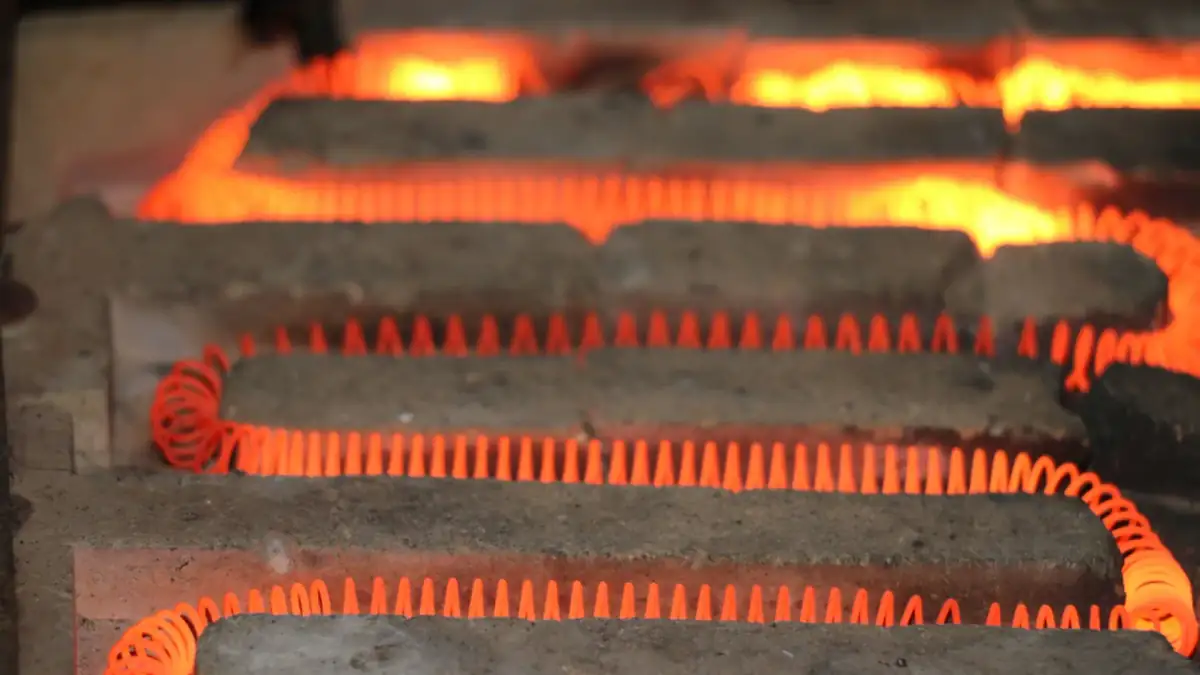
Scaled or burnt element removed and a matched replacement fitted
Thermostat tested and adjusted or replaced if it no longer cuts off correctly
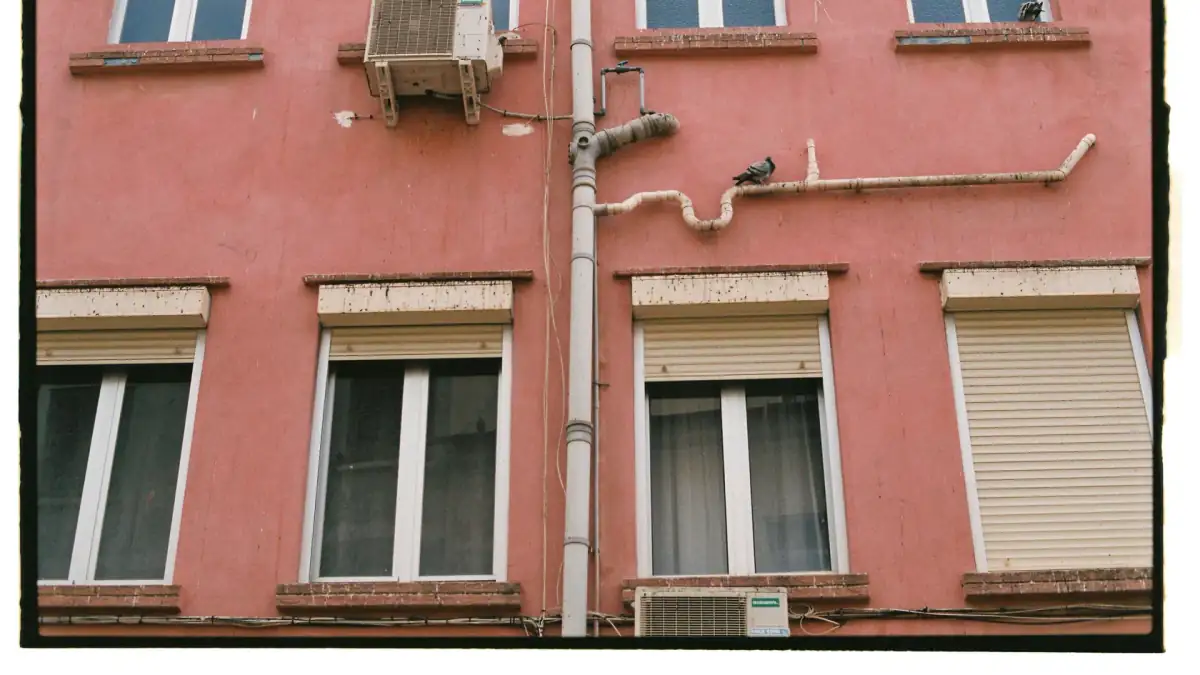
Leak located with camera; tiles are not broken unless the pipe itself is cracked
Calcium sediment drained from the tank base to restore heating capacity
Temperature and pressure confirmed in front of the customer after repair
Describe the fault and heater location so the right technician is assigned
Element, thermostat, wiring and tank checked with the correct tools
Findings and parts needed explained to the customer before any work starts
Parts replaced, leak sealed or tank flushed according to what was found
Temperature and pressure confirmed in front of the customer before leaving
Chosen to match the original voltage, wattage and thread so it fits without stressing the tank flange
Wrapped on the element thread before fitting to prevent seepage around the port once the tank refills
Rated to the same temperature range as the original model so it neither overheats nor trips too early
Camera reveals scale and damage inside the tank; meter confirms circuit continuity so faults are not guessed
Locate the heater breaker in your distribution panel and check whether it has tripped before the technician arrives
Gradual loss points to scale build-up; sudden cold water points to a failed element or open thermostat
Naming the exact room helps the technician trace the leak path without opening walls unnecessarily
Tank size in litres and approximate purchase date help decide whether repair or full replacement is the better option
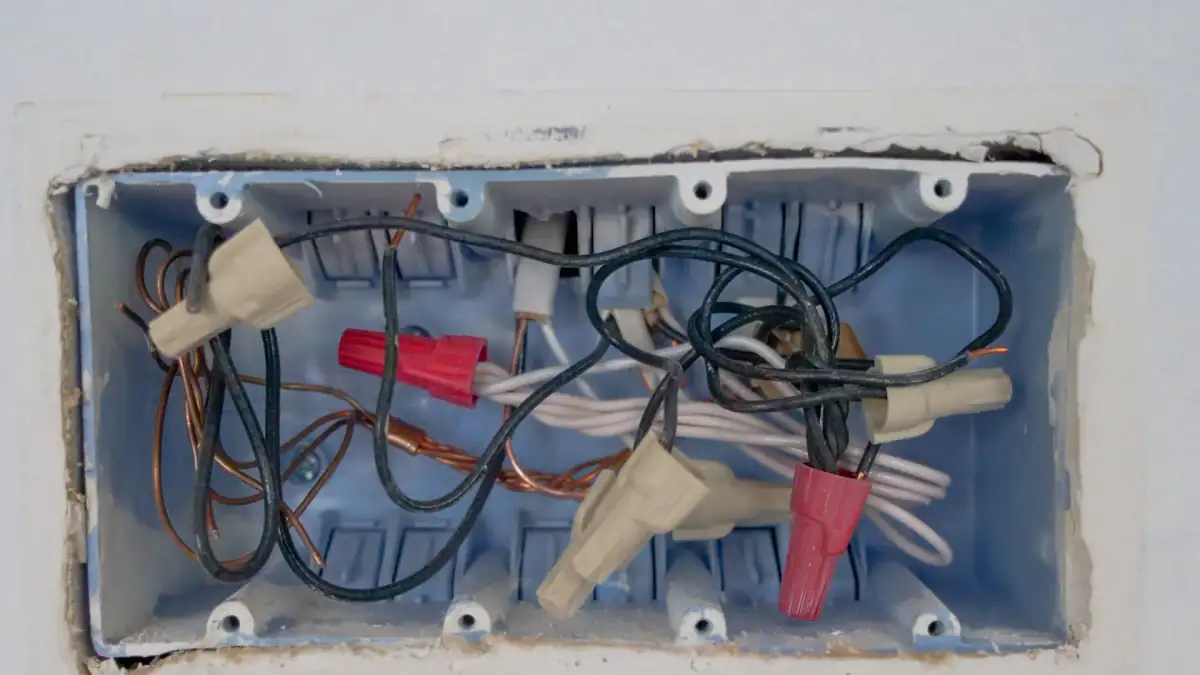
Before touching any part, the technician needs to know exactly what has failed. Many electric heaters in Kuwait lose output gradually rather than stopping outright because calcium from hard water builds up on the element. A scaled element draws more current to produce less heat, which stresses the thermostat over time. Testing continuity with a digital meter tells the difference between a burnt element and a thermostat that has drifted out of calibration, avoiding the cost of replacing both when only one is at fault.
When the diagnosis points to a leak, the camera enters before any breaking tool is used. A leak from the heater or its connections often shows on the ceiling of the room below because water travels along concrete joints before it drips. Acoustic detection narrows the location and the camera confirms it. Breaking into the wall or floor is a last resort, used only when the line or fitting is confirmed cracked and cannot be reached any other way.
After the repair, the technician does not close the water supply and leave. The tank is refilled and the outlet temperature is measured to confirm it matches the thermostat setting, and the thermostat cut-off point is verified. If the tank shows heavy internal corrosion or is well past useful life, full replacement is raised as an option along with an explanation of how a newer unit affects power consumption, but the decision stays with the customer.
Part of Water heaters · All services · Back to the home page
No fixed rate applies; the quote depends on the fault found, parts needed and where the unit is installed
Element only costs less than element plus thermostat replaced together
Larger tanks need heavier, costlier elements that take more time to swap
Roof-mounted or tight-space units take longer to access and work on
Night and holiday call-outs are priced differently from standard working hours
If leak access requires breaking tiles, that additional work is quoted separately
Same method, same equipment. Only the size of the job changes.


Why us
Amana means trust. Someone else’s home is not ours to be careless in.
Do not take our word for it. Look at the heater yourself.
The element and thermostat first, not a new heater.
A dead heater does not wait for the morning.
Six governorates, 139 areas.
For buildings and complexes, servicing before the problem starts.
Offices, complexes and buildings, not only homes.
Six governorates, 139 areas.
Common questions
Need someone now? The emergency line is open any hour.
+965 9668 4964
Calcium scale on the element insulates it from the water, so heating takes much longer than it should. Flushing the tank and fitting a clean element restores the original speed.
In most cases yes, when the fault is in the element or thermostat since these parts are readily available. A specialist part or access work for a hidden leak may extend the job beyond a single visit.
A failed thermostat either lets water overheat or cuts off too early leaving the water lukewarm. A burnt element produces no heat at all. A digital meter reading confirms which one has failed.
Yes, sediment collects at the base of the tank over time and reduces its usable capacity. Tanks that are drained and flushed periodically last considerably longer than those left without any maintenance.
Yes, we work in apartments, villas, residential complexes, offices and restaurants across all 6 governorates of Kuwait.
Heavy internal corrosion, a cracked tank or multiple faults within a short period all point toward replacement being the more economical choice. The technician explains the situation after inspection and leaves the decision with the customer.