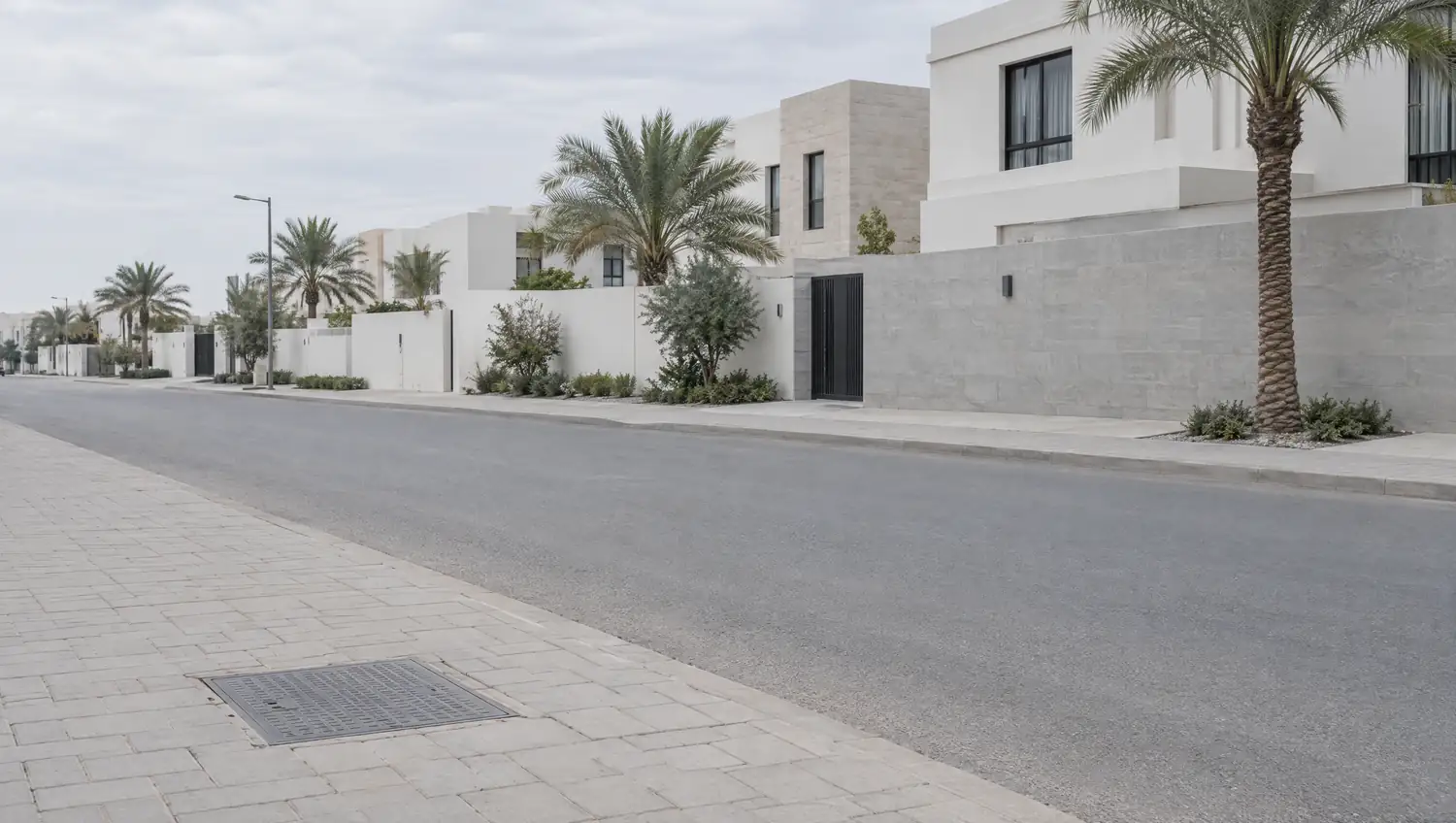
Burner inspection
Clean and adjust the burner for even, complete ignition every cycle
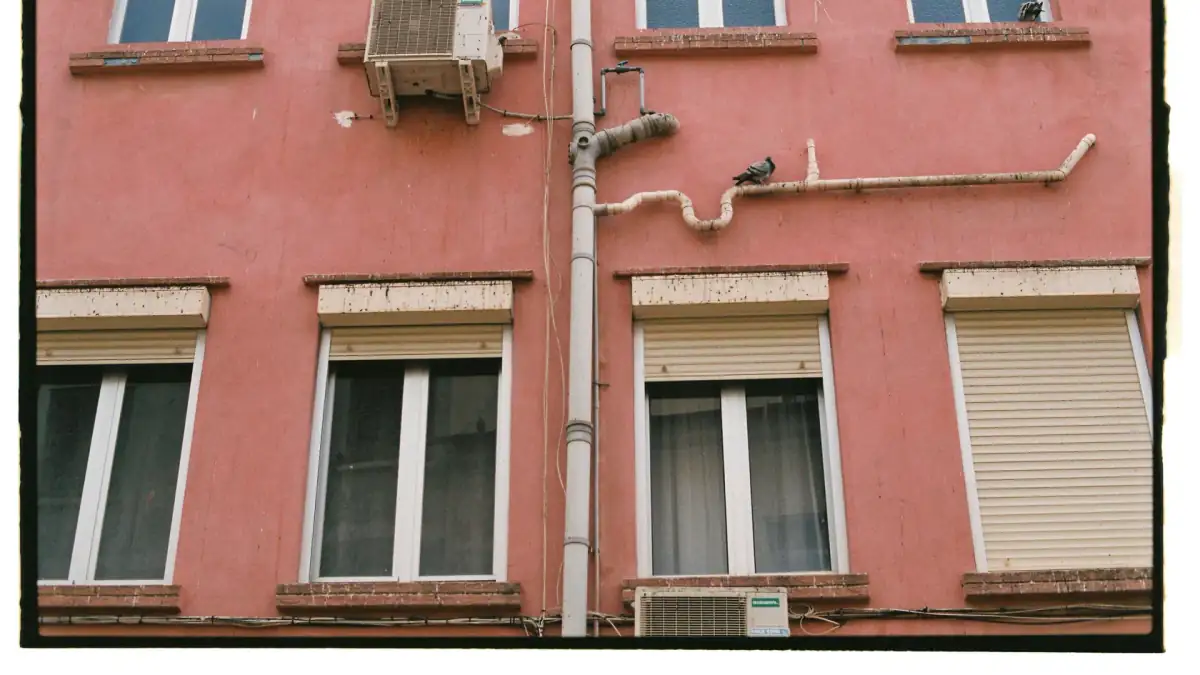
Full inspection and repair of every gas heater component needed for safe operation
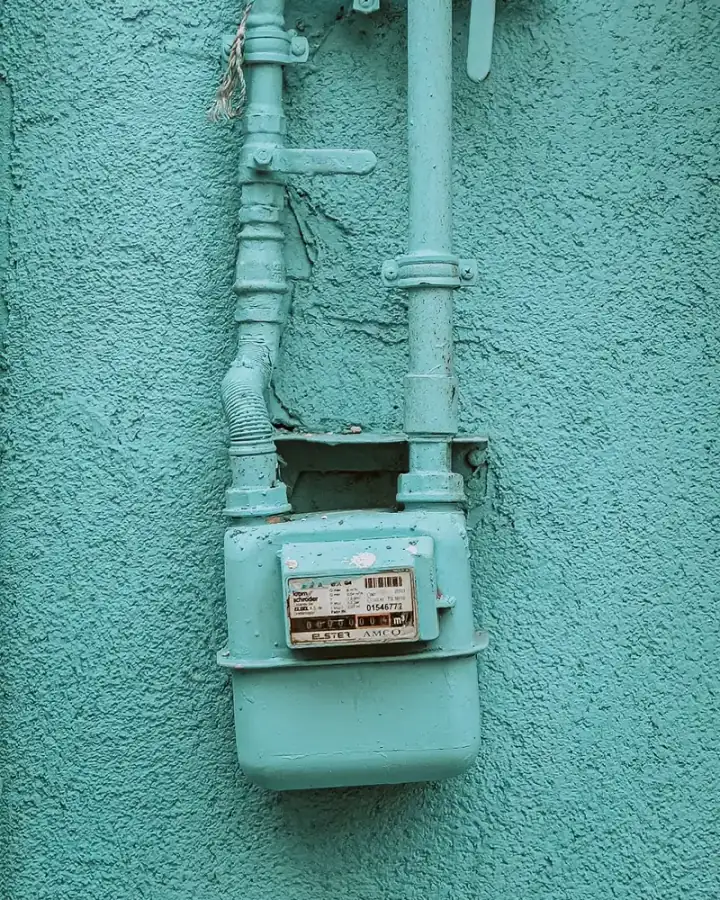
Clean and adjust the burner for even, complete ignition every cycle
Test every joint with detection solution to locate any minor leak
Inspect the flue path and confirm combustion gases exit the space
Measure thermostat accuracy and test the thermal cut-off safety valve
Check the tank body and the sacrificial anode for corrosion progress
Measure incoming water pressure and confirm it suits the unit's rating
Describe the fault, heater location and gas type
Technician checks burner, connections and flue and identifies the fault
Quote is given before any repair work begins
Burner cleaned, parts replaced, connections tested with detection solution
Heater run in your presence with combustion and ventilation confirmed safe
Applied to every gas joint; bubbles reveal any leak instantly without any ignition risk
Measures the gas pressure reaching the burner and flags any deviation from the required range
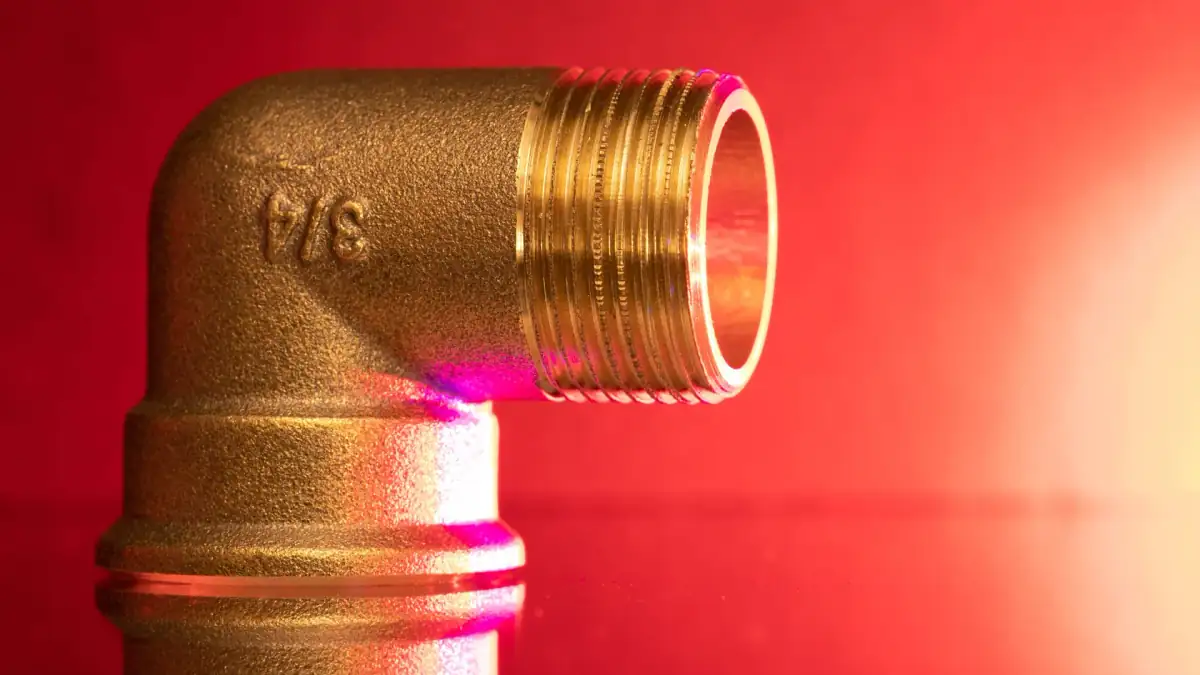
Used only on gas fittings because it withstands pressure and does not degrade over time
Measures the combustion ratio at the burner and confirms whether ventilation is adequate
Know whether the unit runs on piped gas or a cylinder and note the tank capacity
Note whether the issue is ignition failure, weak heat output or a smell of gas
Shut the gas isolating valve feeding the heater if you smell gas before the technician arrives
Bring any prior service record so the technician can review what was done before
The technician starts by isolating the gas supply and confirming it is closed before opening any fitting. Every connection is tested with detection solution while incoming gas pressure is read on a calibrated gauge. The burner itself is cleaned of deposits and its jets are cleared, because a partly blocked jet produces a yellow flame, a sign of incomplete combustion and a source of carbon monoxide that ventilation alone cannot safely manage.
Ventilation and the flue path are the parts most often skipped in a basic service visit. The flue section is checked for narrowing or partial blockage, and airflow into the heater's enclosure is confirmed. Many units in Kuwait are fitted inside small service cupboards, and if the flue is not reviewed regularly, combustion gases can migrate back into the living space. The thermostat and the thermal cut-off safety valve are both field-tested before the unit is restarted.
Kuwait's hard water deposits a scale layer inside the tank that gradually insulates it from the burner, so heating becomes slower without the unit appearing to fail outright. The sacrificial anode rod is inspected and replaced if spent, because its function is to protect the tank wall from internal corrosion. Any smell of gas after a service or after work on the connections must be re-tested immediately and never left until the next visit.
Part of Water heaters · All services · Back to the home page
No fixed rate applies; the quote depends on the fault found, the unit location and any parts required
Replacing a thermostat, valve or burner adds cost beyond a check-only visit
Piped natural gas fittings differ from cylinder connections in complexity and tooling
Units on rooftops or in tight service enclosures take longer to access safely
Clearing a blocked flue or modifying ventilation openings adds to the base cost
Late-night or holiday call-outs are priced at a different rate from standard hours
Same method, same equipment. Only the size of the job changes.
Why us
Amana means trust. Someone else’s home is not ours to be careless in.
Do not take our word for it. Look at the heater yourself.
The element and thermostat first, not a new heater.
A dead heater does not wait for the morning.
Six governorates, 139 areas.
For buildings and complexes, servicing before the problem starts.
Offices, complexes and buildings, not only homes.
Six governorates, 139 areas.
Common questions
Need someone now? The emergency line is open any hour.
+965 9668 4964
Yes. Close the gas isolating valve feeding the unit, open a nearby window and do not operate any electrical switch until the technician arrives. Even a minor leak accumulates in enclosed service areas.
Scale deposits inside the tank slow heat transfer from the burner to the water gradually. The technician measures the temperature difference between inlet and outlet and determines whether the issue is scale build-up or a thermostat that needs adjustment.
The technician uses a combustion analyser to read gas ratios at the flue outlet. At home, signs of poor ventilation include condensation build-up or a combustion smell inside the room when the heater runs.
Yes. Scale build-up, anode wear and minor connection leaks do not cause an immediate failure but develop quietly. A periodic service catches these issues early before they become a costly repair or a safety concern.
Yes. Piped natural gas delivers a consistent pressure while a cylinder pressure drops as it empties, affecting burner performance. The technician adjusts the burner jets to match the specific gas type in use.
Yes. The service covers homes, apartments, offices, restaurants and building complexes. Commercial units are typically larger and require gas pressure and water flow checks at higher rates than residential units.