Site and capacity survey
bathroom count and available pressure assessed before any unit is chosen
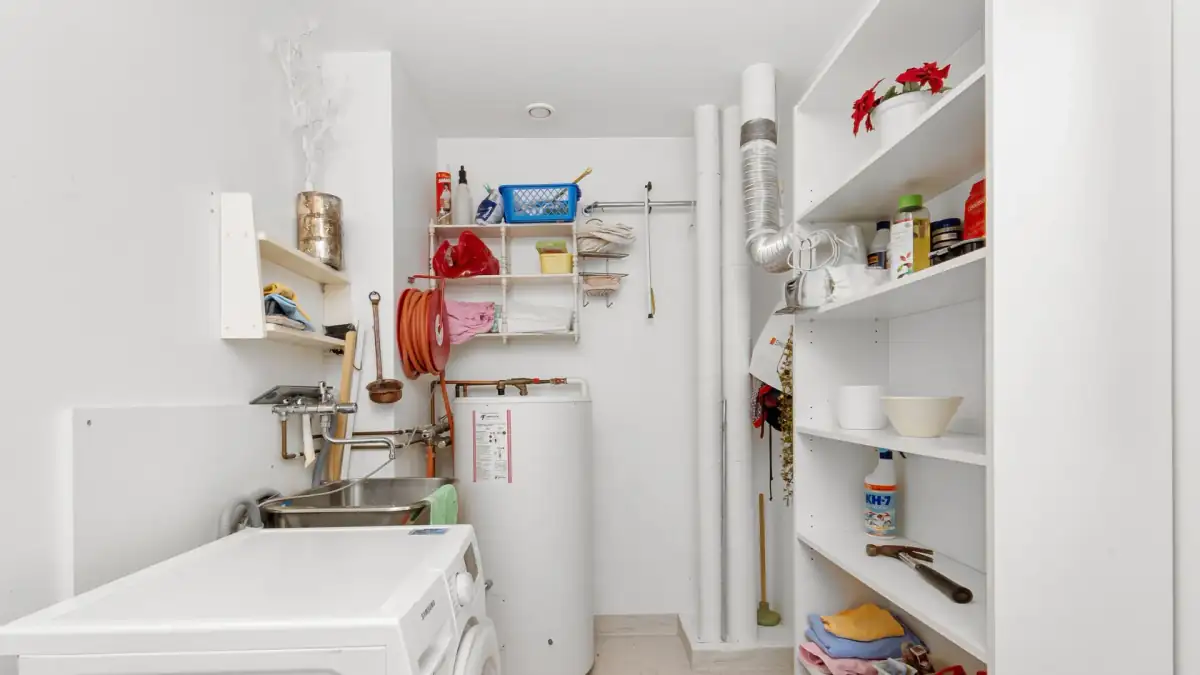
Water heaters
A correctly sized and piped central heater reaches every bathroom together, with no cold spots on upper floors and no guesswork about capacity.
everything from site preparation and unit mounting to circulation loop piping and final handover
bathroom count and available pressure assessed before any unit is chosen
tank secured on brackets rated for full operating weight
supply and return lines run at correct fall to prevent stagnation
gas or electrical feed connected with ventilation confirmed before start-up
expansion valve and drain-off valve fitted as standard safety requirements
every joint checked for leaks under pressure before handover
describe bathroom count and building type to book a site visit
pressure measured, unit location and loop route confirmed on site
itemised quote covering capacity, materials and all required work
tank mounted, loop piped, fuel connected, safety valves fitted
full pressure test, thermostat set, periodic maintenance explained to owner
individual units cannot maintain adequate pressure to upper floors in a multi-storey building
several occupants drawing hot water at once exhausts smaller units within minutes
first-fix stage of a new build or extension is the right time to plan the central system
replacing several small units with one central heater simplifies maintenance and reduces repeat faults
a tank too small for the building runs cold under normal daily demand without warning
flat circulation pipes trap air pockets, causing knocking and slow heating throughout the loop
placing the tank in a poorly ventilated space accelerates internal corrosion and risks gas build-up
fitting the tank without an expansion valve puts connections under excess pressure when temperature rises
Before any unit is purchased, the technician assesses the number of bathrooms, expected daily demand and network pressure at the site. Kuwait's hard water accelerates scale build-up inside the tank over time, so that factor shapes the choice of tank capacity and lining material. The correct location for the unit considers distribution distance to each bathroom, access for future servicing, and adequate ventilation, which is a firm requirement for gas-fired heaters.
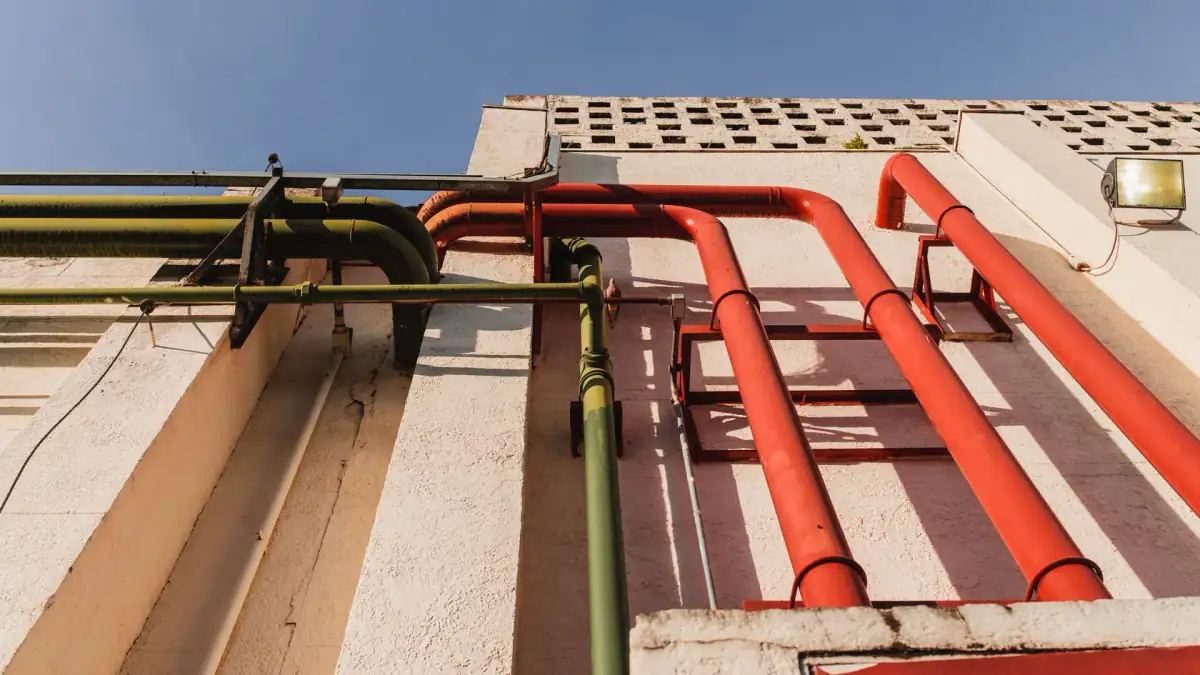
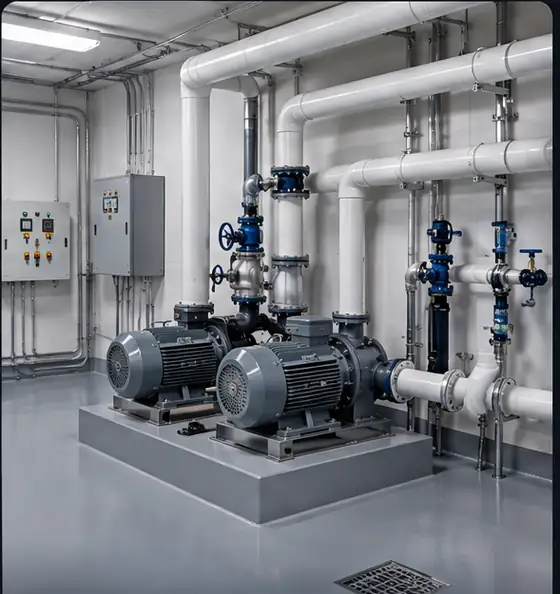
Fitting the circulation loop is what sets a central installation apart from individual units. The supply and return lines must be run at deliberate falls to prevent air locks, which cause low pressure and pipe noise throughout the building. In multi-storey buildings, height differences are calculated carefully to ensure hot water arrives at the highest outlet with enough pressure. Balancing valves on the loop branches achieve even distribution across all bathrooms.
Before handover, every joint is pressure-tested at working pressure to catch any slow leak before it is hidden by finishes. For gas heaters, ventilation paths are confirmed and the gas line is pressure-tested. The thermostat is set to a temperature that prevents scalding while also limiting scale accumulation inside the tank. The owner receives a simple maintenance schedule covering periodic tank drain-off to flush settled deposits, a straightforward task that extends the unit's working life considerably.


Part of Water heaters · All services · Back to the home page
no fixed rate applies; the quote depends on these factors specific to your building and installation
larger tanks cost more and require heavier handling and mounting
gas units require a dedicated fuel line run and ventilation verification
larger buildings need longer pipe runs, more fittings and insulation material
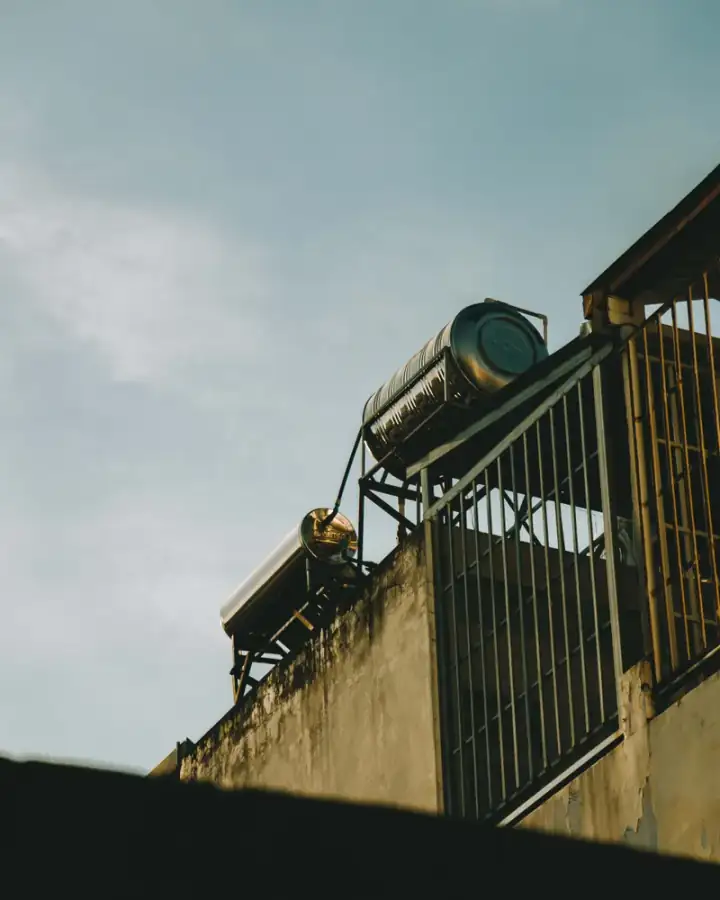
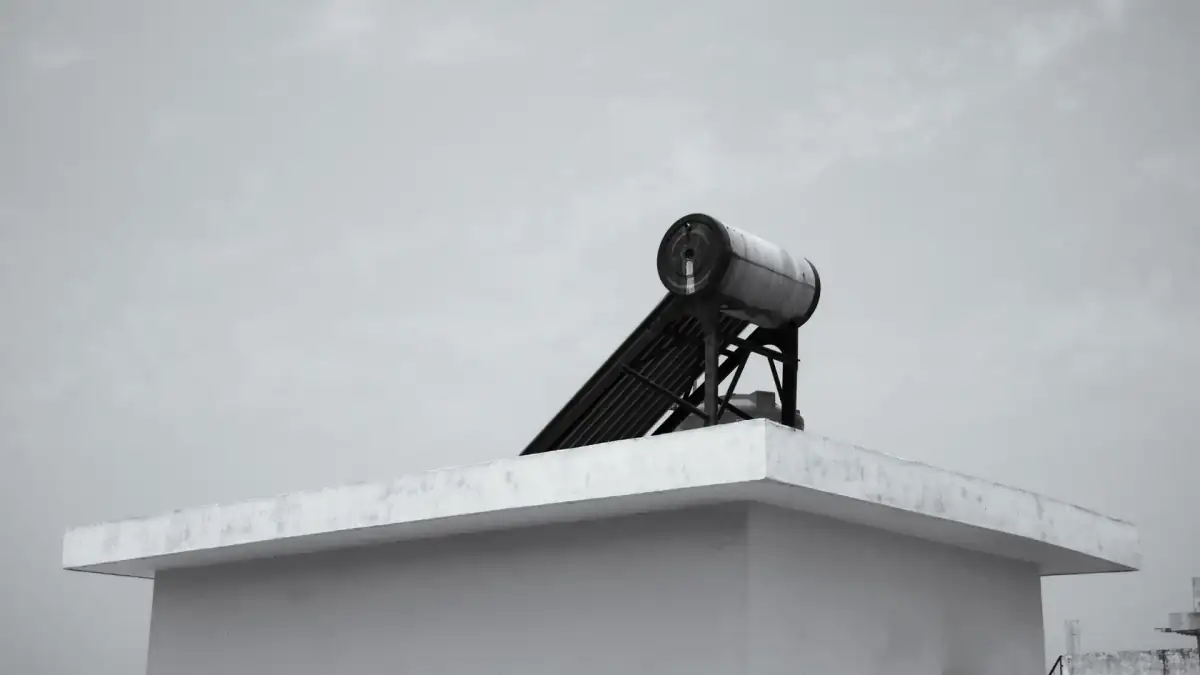
roof placement versus ground level affects lifting difficulty and bracket requirements
absent or inadequate existing lines require new runs through walls or ceilings
Same method, same equipment. Only the size of the job changes.

Why us
Amana means trust. Someone else’s home is not ours to be careless in.
Do not take our word for it. Look at the heater yourself.
The element and thermostat first, not a new heater.
A dead heater does not wait for the morning.
Six governorates, 139 areas.
For buildings and complexes, servicing before the problem starts.
Offices, complexes and buildings, not only homes.
Six governorates, 139 areas.
Common questions
Need someone now? The emergency line is open any hour.
+965 9668 4964
Yes, but it requires running new supply and return lines. The technician identifies the route that causes least disruption to walls and ceilings based on the building layout.
A gas unit requires a dedicated fuel line and confirmed ventilation at the installation point. An electric unit needs a correctly rated electrical supply but has no ventilation requirement.
A correctly designed circulation loop with balancing valves on each branch delivers consistent temperature throughout. Uneven temperature is almost always caused by incorrect pipe fall or missing balancing valves.
The larger water volume and longer run times in a central tank mean sediment settles at the base faster than in small units. Regular tank drain-off removes this sediment before it reduces heating efficiency.
Yes, but circulation pipes running across the roof require proper thermal insulation to protect them from summer heat and winter cold and to retain water temperature on the way down to the bathrooms.
Yes, a circulation pump keeps hot water moving around the loop so no one waits for cold standing water to clear. It is particularly suitable for buildings with long loop pipe runs between the tank and the bathrooms.