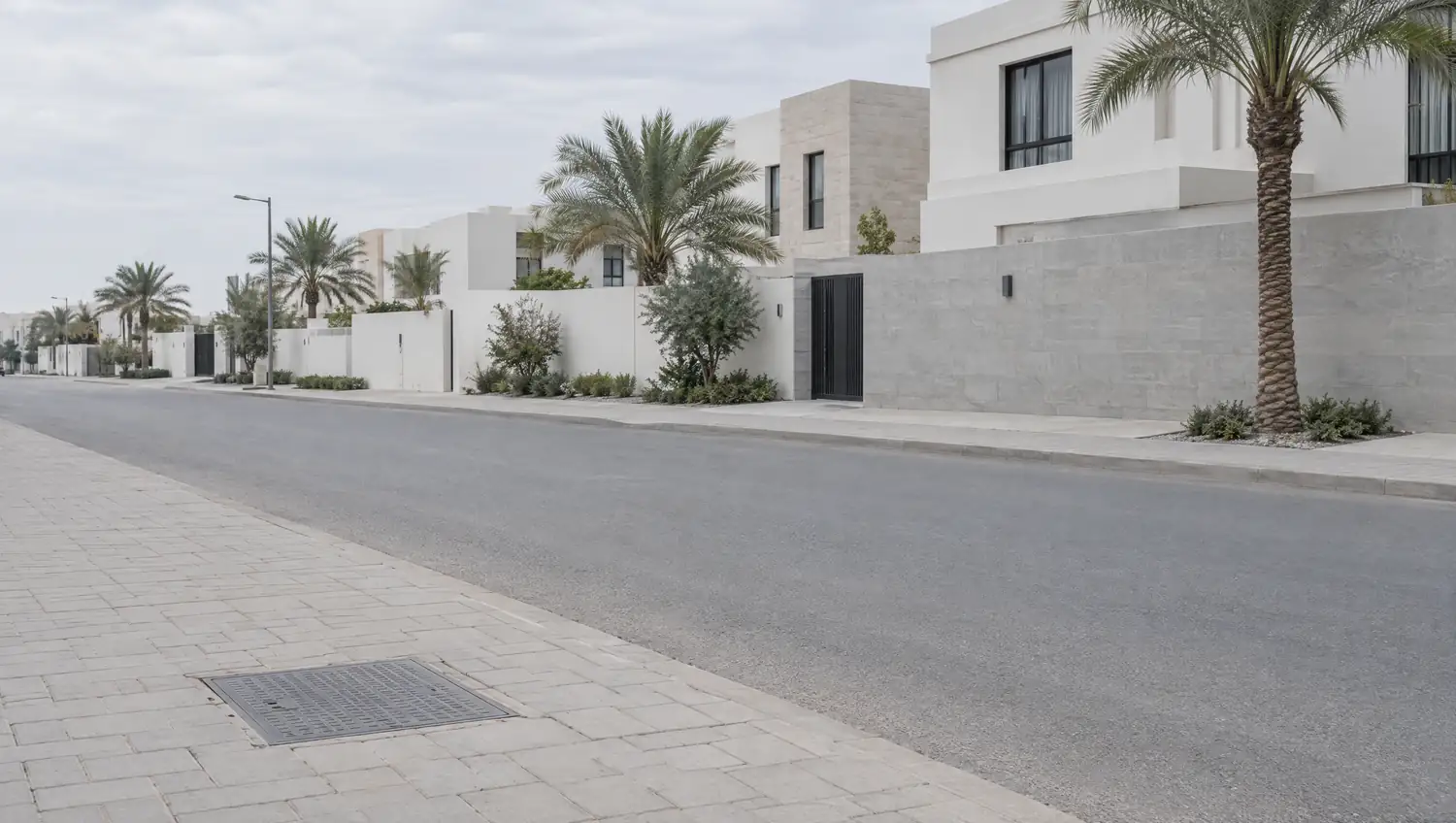
Tank body inspection
Checking the outer shell and all joints for seepage or moisture
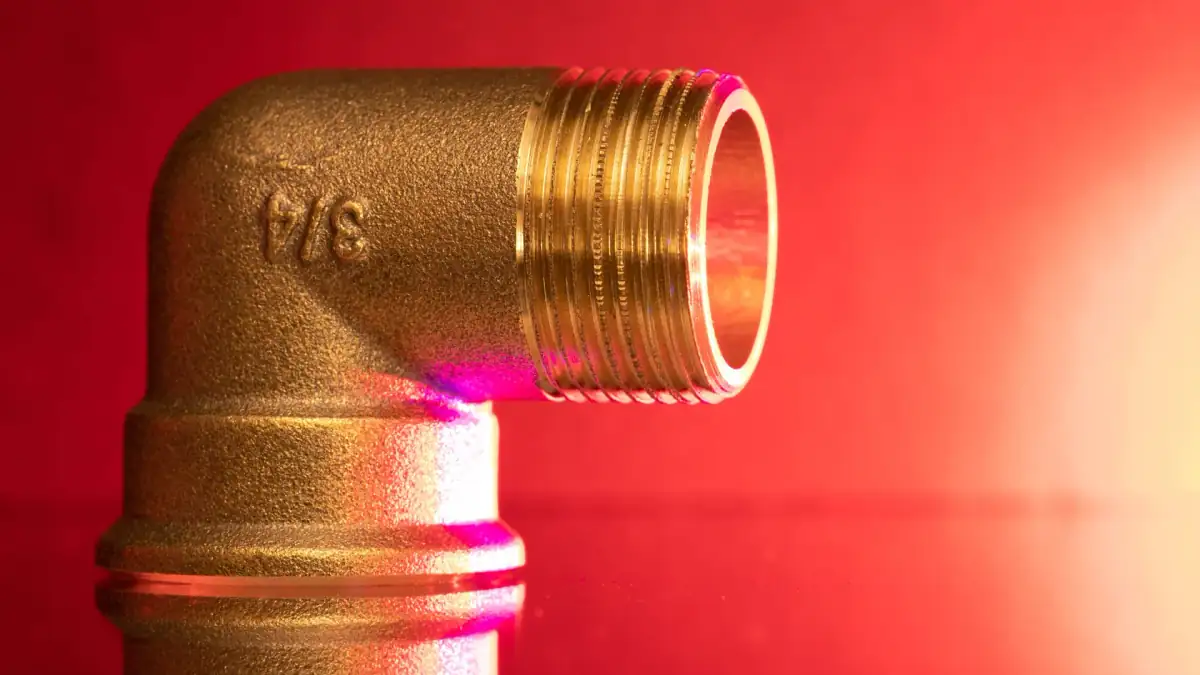
Water heaters
Acoustic and camera tools pinpoint exactly where a heater is leaking, so no tile is broken on a guess and the cause is fixed, not just managed
Locating the exact leak point across the heater body, fittings and connected pipework
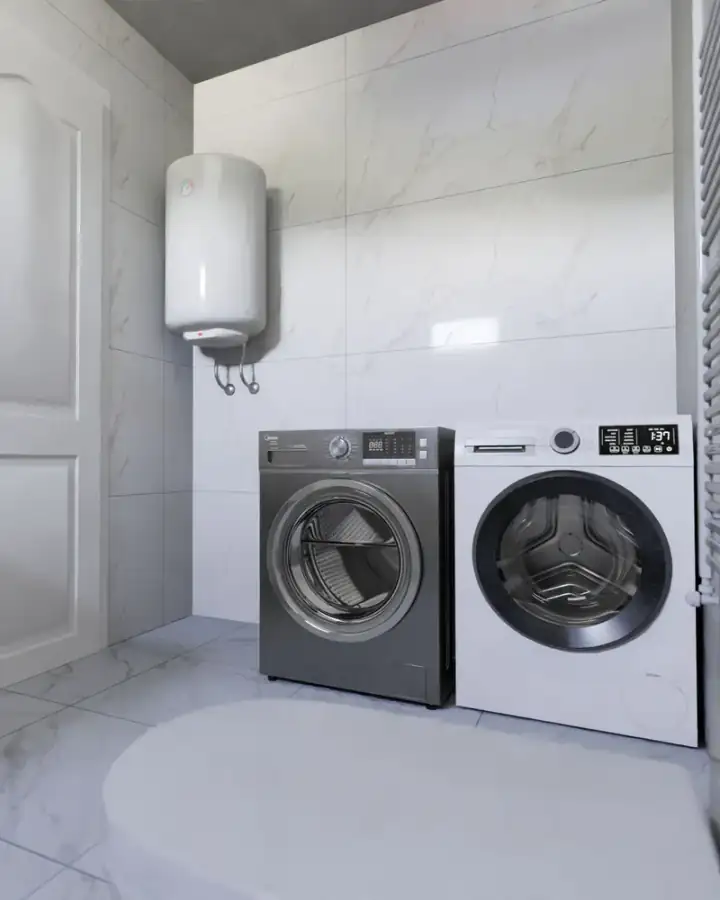
Checking the outer shell and all joints for seepage or moisture
Pinpointing concealed leaks by sound without opening the wall
Running a camera into supply or drain lines to trace the moisture source
Inspecting inlet, outlet and surrounding fittings for weeping joints
Checking the area around fuel or power entries for secondary moisture sources
Delivering a clear finding on where the leak is and what repair is needed
Describe the damp location and send a photo if possible
A time that suits you is confirmed, any hour of the day
The heater and surrounding lines are checked with detection tools
The exact leak point is confirmed and the required repair is explained
The repair is done in the same visit or a separate appointment is set
A dark stain or peeling paint appears on the ceiling directly below the heater unit
A musty smell near the heater or in the room above the wet ceiling that does not clear
Hot water pressure drops steadily over time with no obvious cause in the distribution network
Water or visible dampness collects around the mounting bracket or on the wall behind the unit
Did the stain appear right after the heater was used or gradually build up over time?
Take clear photos of staining near the heater and on the ceiling below it
Is the heater electric, gas or central, and what is the approximate tank capacity?
Wait for acoustic and camera checks before any breaking to avoid unnecessary damage
Detection begins with a full visual inspection of the heater body, inlet and outlet connections and all nearby pipe runs. Acoustic listening tools are used to pick up the sound of escaping water inside a wall or floor before anything is opened, because the point where damp appears on a ceiling is often not directly below the actual leak source.
When acoustic tools do not isolate the source, an inspection camera is fed into the supply or drain line to film the condition from inside. The owner sees the same screen as the technician, confirming that any breaking that follows targets the right spot. In Kuwait, calcium deposited by hard water can crust around tank fittings and slow a small leak to a seep that is nearly invisible until it has already stained a ceiling.
Once the leak point is confirmed, a clear finding is provided: whether the problem is a corroded fitting, a crack in the tank body or a failure in a concealed pipe run. The appropriate repair is then decided, ranging from replacing a single fitting to resealing a pipe route or working on the tank itself. Following this order protects tiles and walls from unnecessary breaking.
Part of Water heaters · All services · Back to the home page
No fixed rate applies; these factors shape the quote for each job
A rooftop central unit requires more access effort than a wall-mounted indoor heater
A leak in a buried pipe demands more time and tools than one at an exposed fitting
Multiple suspected points across the system extend the inspection time required
Breaking is a last resort and is quoted separately when it cannot be avoided
Urgent night or holiday call-outs may affect the visit cost
Same method, same equipment. Only the size of the job changes.

Why us
Amana means trust. Someone else’s home is not ours to be careless in.
Do not take our word for it. Look at the heater yourself.
The element and thermostat first, not a new heater.
A dead heater does not wait for the morning.
Six governorates, 139 areas.
For buildings and complexes, servicing before the problem starts.
Offices, complexes and buildings, not only homes.
Six governorates, 139 areas.
Common questions
Need someone now? The emergency line is open any hour.
+965 9668 4964
Initial acoustic checks are often done with the heater active because water pressure makes a seep easier to hear. When direct work on fittings or camera entry into a line is needed, the heater is shut off and the water supply is closed temporarily.
Water travels along a surface slope or between construction layers before it appears beneath a different point. This is why the stain location alone cannot confirm where the leak is; acoustic tracing and camera work follow the path back to the actual source.
Scale deposits that crust around fittings put pressure on sealant materials and accelerate corrosion, producing a slow seep that takes time to become a visible stain. Early detection stops that process before it extends to surrounding structure.
A pressure relief valve discharges water when internal pressure exceeds its set limit, which is a designed safety action rather than always a fault. A tank body leak points to a crack or corrosion in the metal wall, and the diagnosis and repair approach differ from valve work.
Reaching a rooftop unit needs extra setup, and Kuwait's sharp temperature swings cause more expansion and contraction stress on fittings than indoor units face. This can make some leaks show earlier along pipe runs crossing the roof slab.
Yes, work covers all of Kuwait including large residential and commercial complexes. Where more than one unit is present, each heater and its connected lines are checked individually to isolate the source accurately.