Element condition check
Resistance measured to confirm whether element is scaled, shorted or open
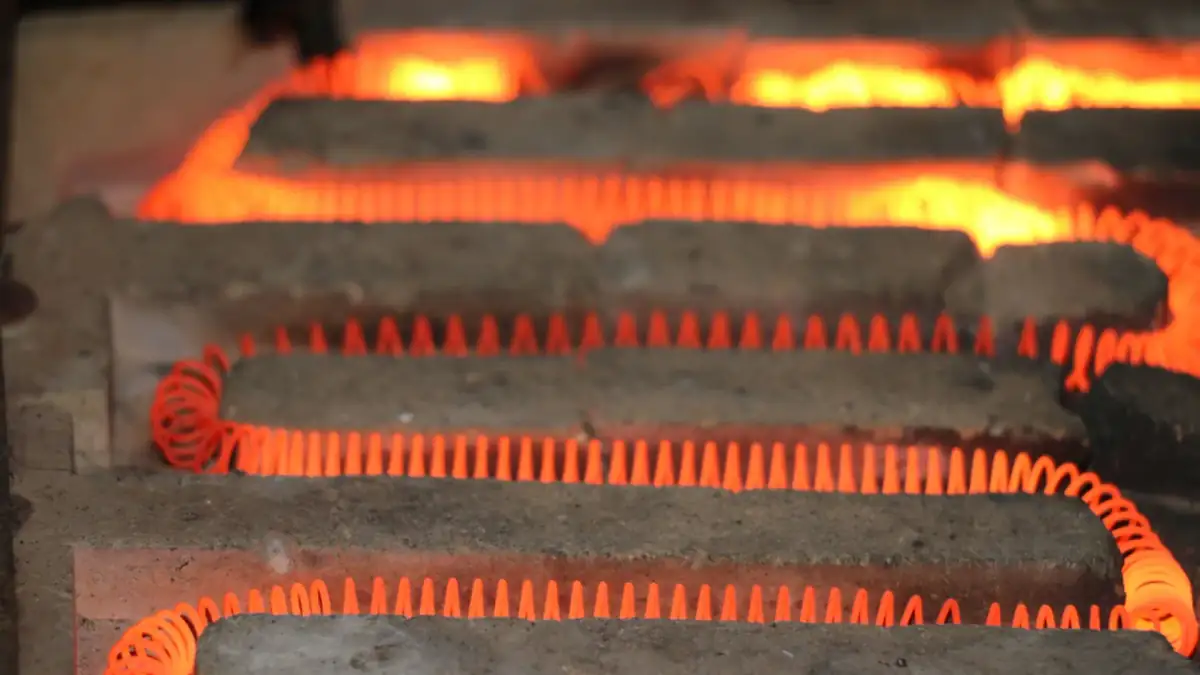
Full inspection and replacement of the element and thermostat, covering all related checks
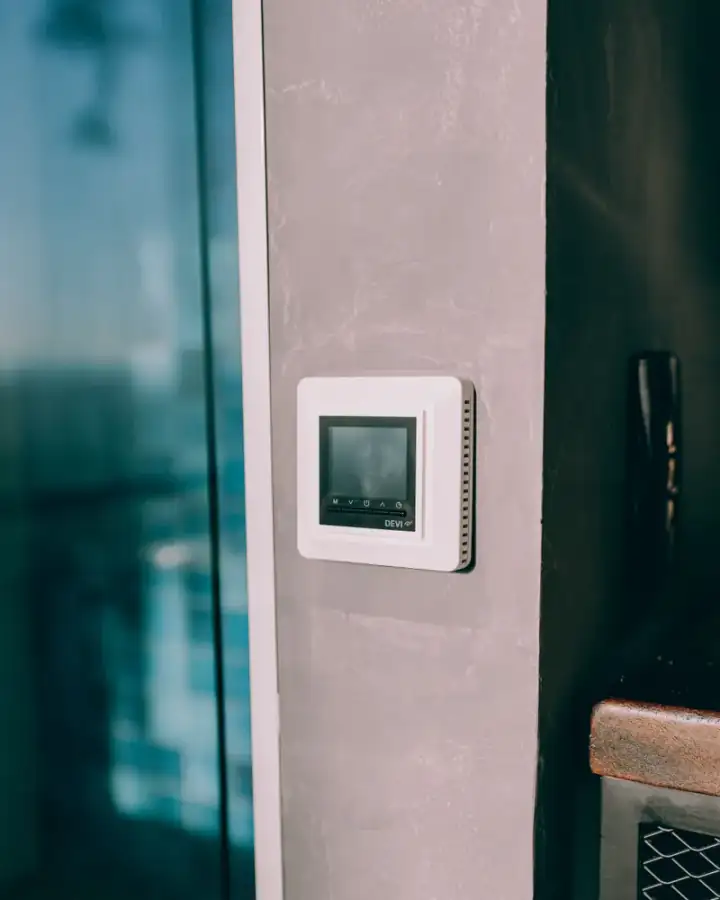
Resistance measured to confirm whether element is scaled, shorted or open
Cutout points tested and temperature calibration verified before fitting new part
Scale deposits inside the tank assessed as they reduce heating efficiency
Anode protects the tank from corrosion and is inspected at every service visit
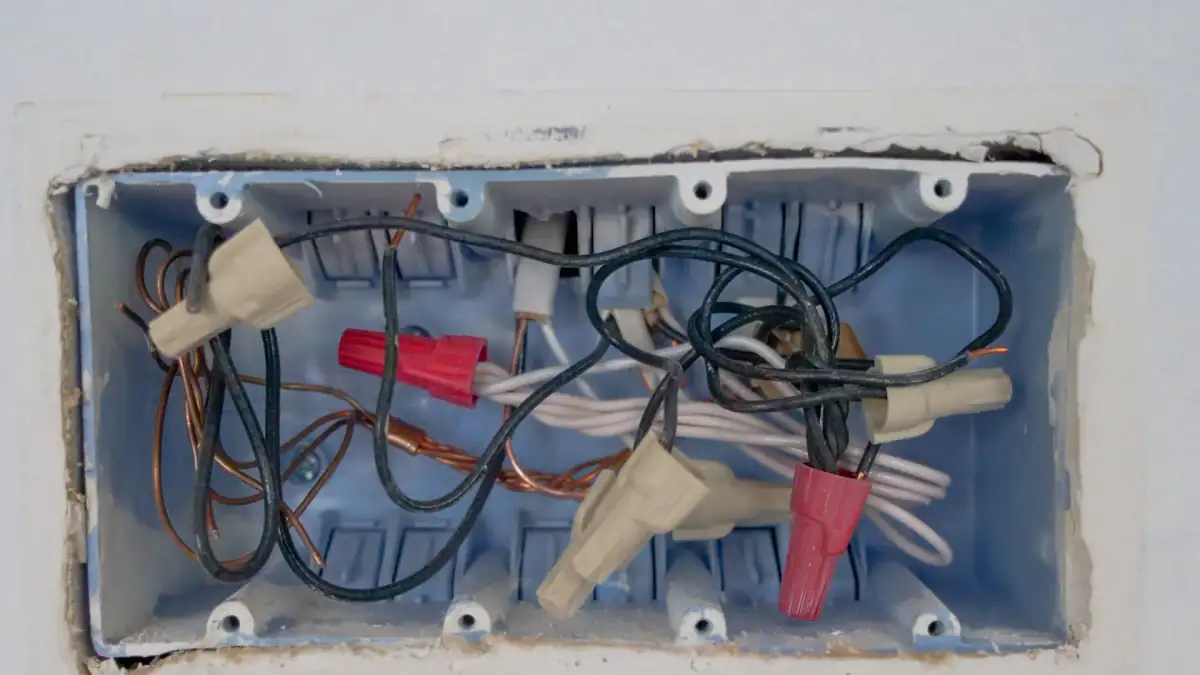
Wiring and terminals inspected for safety before the new element is energised
Heater run and water temperature confirmed at the tap before the visit ends
Call or WhatsApp describing the fault and heater model if known
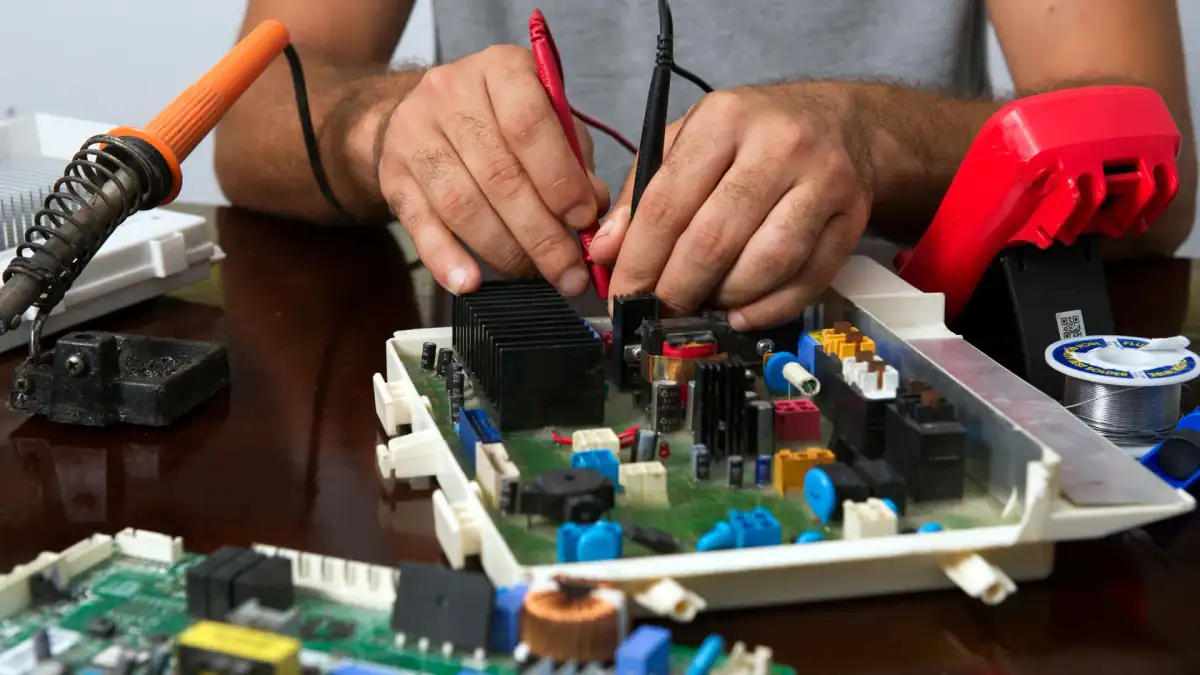
Technician measures element and thermostat to confirm which part has failed
Price presented before any replacement and work starts on your approval
New part fitted with fresh gasket and all electrical connections inspected
Heater run and water temperature verified at the tap before leaving
Element wattage and voltage matched to the unit so a mismatched part does not overstress the thermostat
Upper cutout trips the circuit under Kuwait summer conditions when the normal limit alone is not enough
Confirms the old element fault clearly and verifies the new element before final connection
Reusing the old gasket is a common source of a slow leak that appears only weeks after the job
Find the data plate on your heater and note the voltage and wattage before calling
Whether water stays lukewarm or heats then quickly cools tells us whether the element or thermostat is suspect
Knowing which breaker feeds the heater lets the technician isolate power without delay on arrival
A heater that has never been serviced may have a fully corroded anode, which affects the repair decision
The heating element and thermostat are the most failure-prone components in Kuwait heaters for a direct reason: hard water deposits a layer of mineral scale around the element that blocks heat transfer into the water. The element surface overheats until it burns out, and the thermostat receives distorted temperature signals through the scale, causing its cutout contacts to fail. Replacing only the faulty part without removing scale and checking the other component leaves the root cause in place.
On arrival the technician measures the existing element resistance and tests the thermostat separately to identify the true cause. It is common to find both parts need replacing, since a failed element that has been cycling incorrectly places extra stress on the thermostat. The replacement part is chosen by the heater voltage and kilowatt rating, not by appearance alone. The sealing gasket is always replaced at the same time, because an old gasket that has been removed will not re-seal reliably and is a quiet source of later drips.
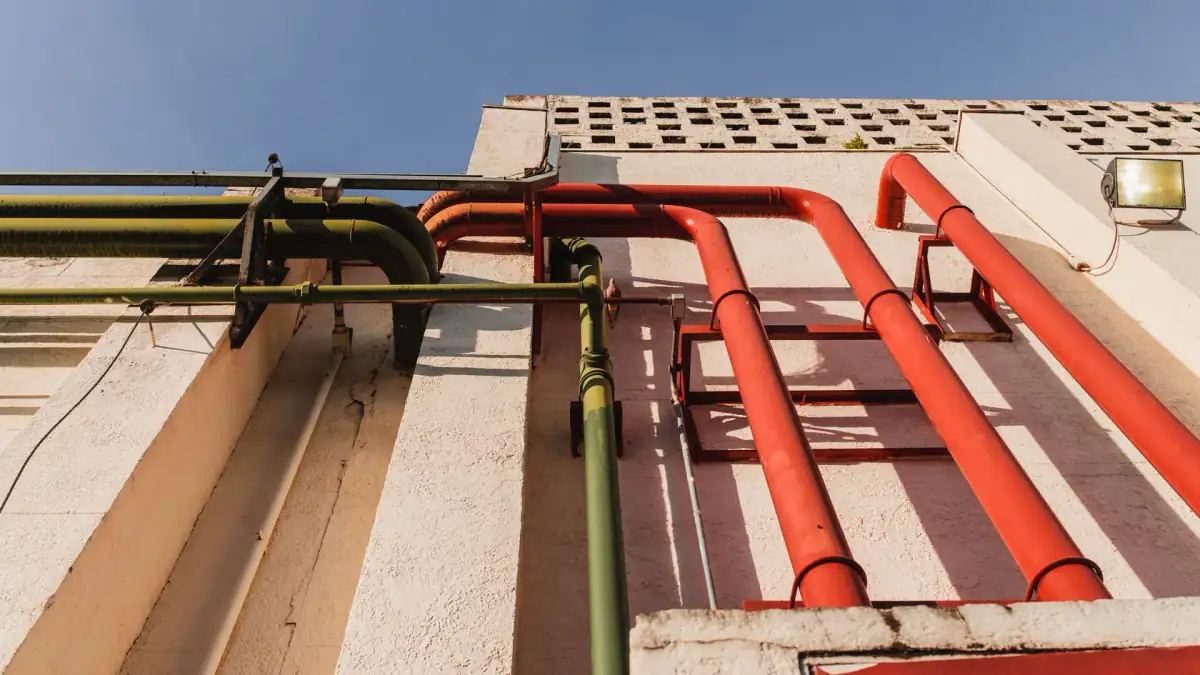
After fitting, the heater is run and the technician waits until water at the tap reaches the set temperature, confirming it there rather than only at the unit. For central heaters feeding several bathrooms through a circulation loop, thermostat calibration is handled with more care because the setting affects every draw-off point in the building. A fault in a central unit often shows up in a distant bathroom before anyone notices a change at the heater itself.

Part of Water heaters · All services · Back to the home page
No fixed rate applies and the quote depends on the factors below
Replacing the element alone differs from replacing both parts together
A larger capacity unit takes a higher wattage element with a different part cost
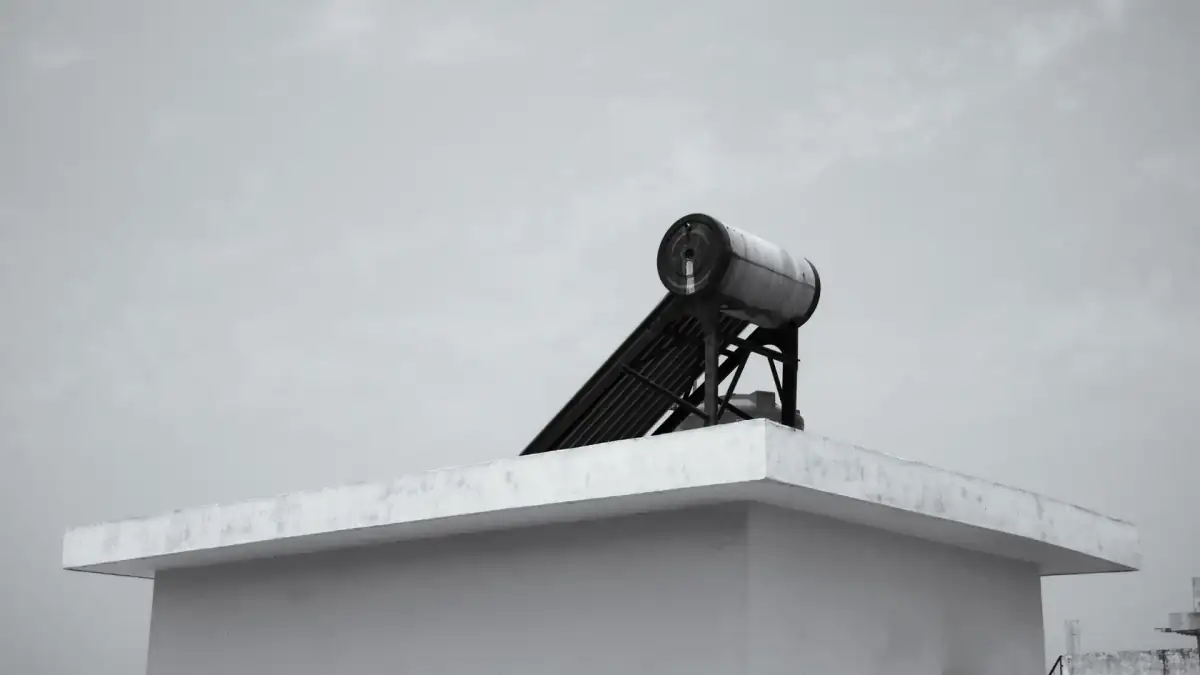
Roof units or confined spaces take more time to reach, open and reseal
If the anode needs replacing on the same visit the cost is added to the quote
Visits at night or on official holidays carry a different call-out rate
Same method, same equipment. Only the size of the job changes.



Why us
Amana means trust. Someone else’s home is not ours to be careless in.
Do not take our word for it. Look at the heater yourself.
The element and thermostat first, not a new heater.
A dead heater does not wait for the morning.
Six governorates, 139 areas.
For buildings and complexes, servicing before the problem starts.
Offices, complexes and buildings, not only homes.
Six governorates, 139 areas.
Common questions
Need someone now? The emergency line is open any hour.
+965 9668 4964
A burned element keeps water permanently lukewarm regardless of how long the heater runs. A faulty thermostat usually heats water then cuts out too early, or fails to cut out and overheats. The symptoms overlap enough that instrument measurement is needed for a reliable diagnosis.
Yes. If scale deposits inside the tank are not addressed, the new element will accumulate the same mineral layer. The rate depends on the hardness of the local water supply and how heavily the heater is used.
The tank is drained partially until the water level drops below the element port. In most heater designs this is enough and a full drain is not needed, which shortens the visit time.
A sulphur smell in hot water is usually linked to a reaction between the sacrificial anode and bacteria in the tank rather than a direct element fault. The full unit should still be inspected when this smell is present.
The basic principle is the same: cutting power when a set temperature is reached. A central heater thermostat controls a circulation loop serving multiple outlets, so its calibration requires more care than a single-unit thermostat.
A sound sacrificial anode reduces some of the effect, and setting the thermostat to a moderate temperature slows deposit formation. Periodic internal cleaning of the tank is the most effective long-term measure against scale accumulation on the element.