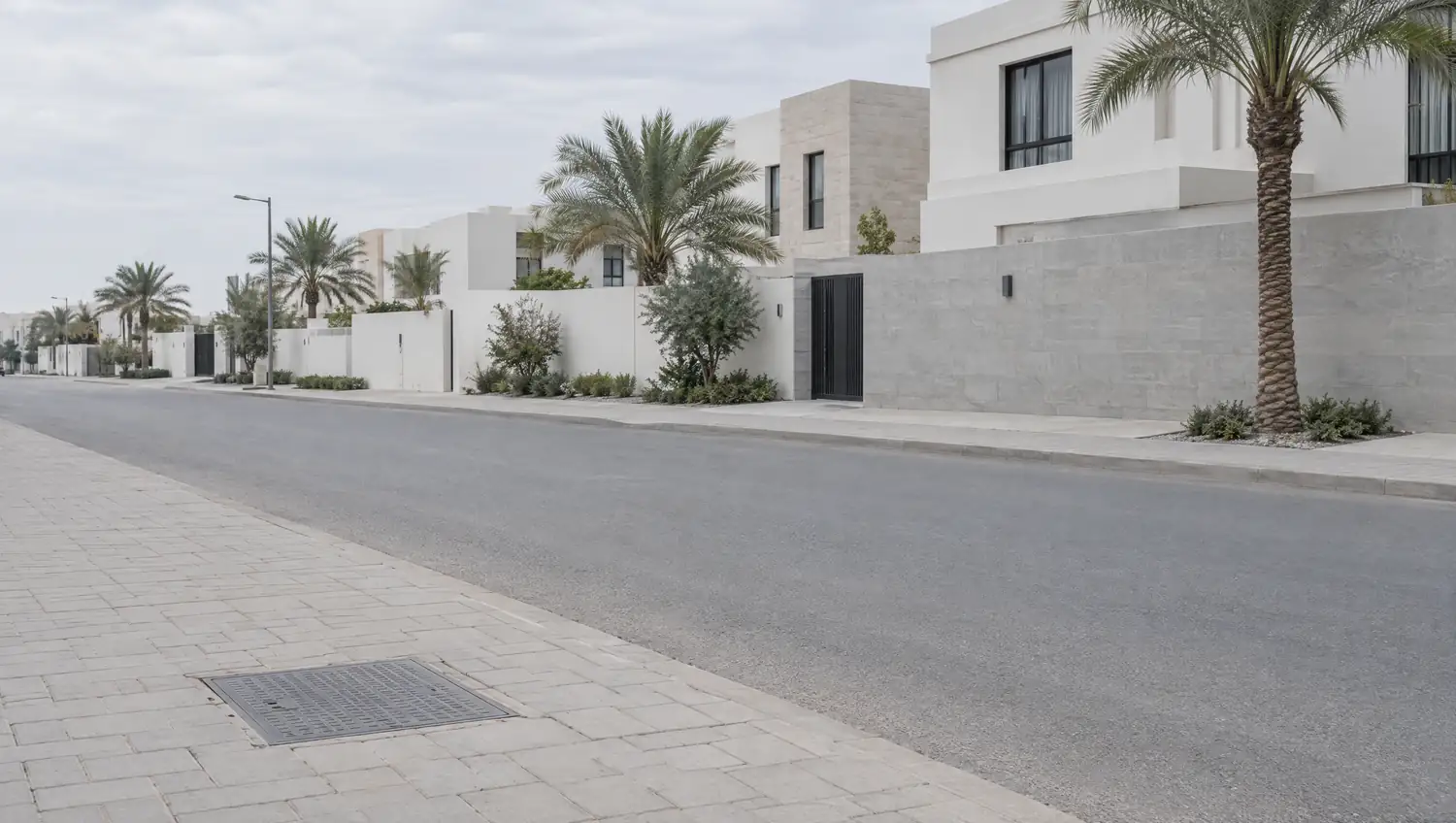
Site and capacity check
Capacity matched to actual household size and usage pattern
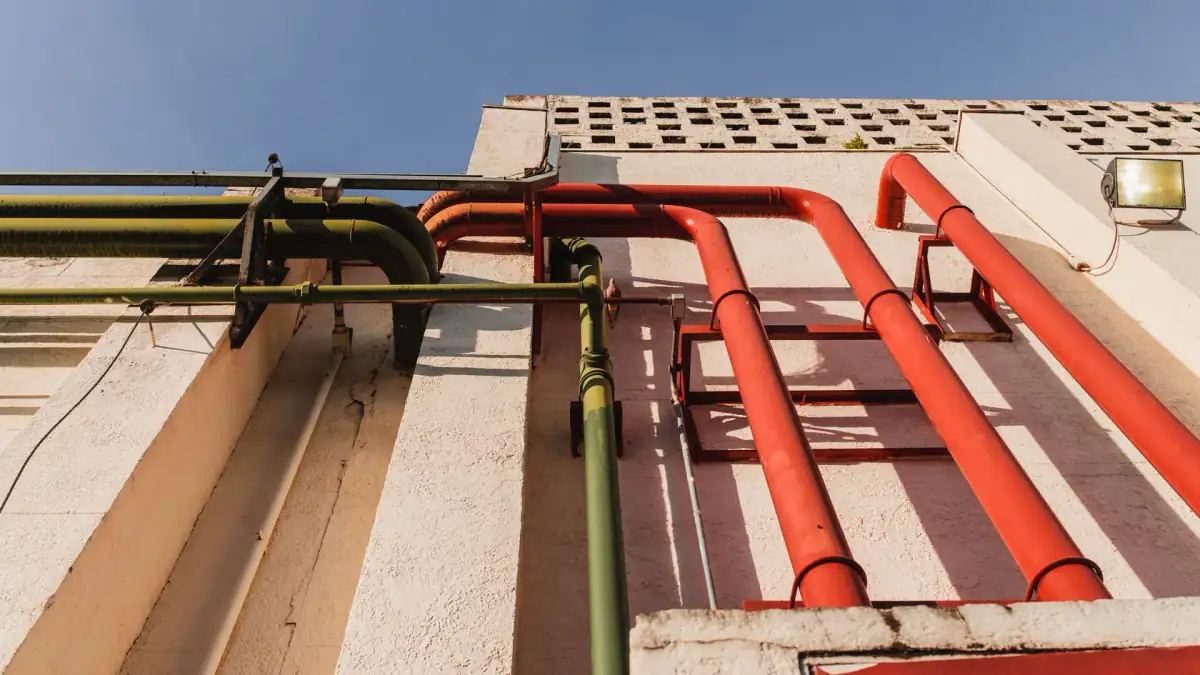
every step from initial assessment through to a tested, ready-to-use heater
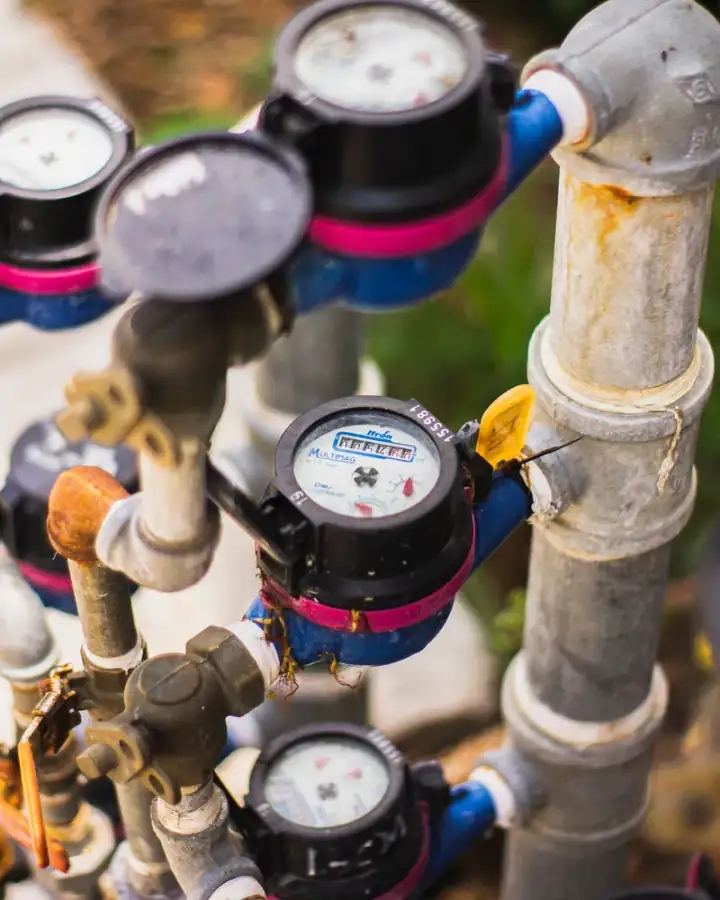
Capacity matched to actual household size and usage pattern
Secure fixing to wall or platform rated for the tank weight
Hot and cold lines connected with heat-rated fittings and isolation valves
Electrical or gas supply connected; ventilation verified for gas units
Pressure relief valve and expansion vessel fitted before pressurising
System filled and checked for leaks before final handover
Tell us the building type, occupant count and intended heater location
Technician measures space and confirms the right type and capacity
Unit fixed securely; water and power lines connected with heat-rated materials
Tank filled and all connections checked for leaks before switch-on
Unit started, hot water confirmed at the outlet and operation explained
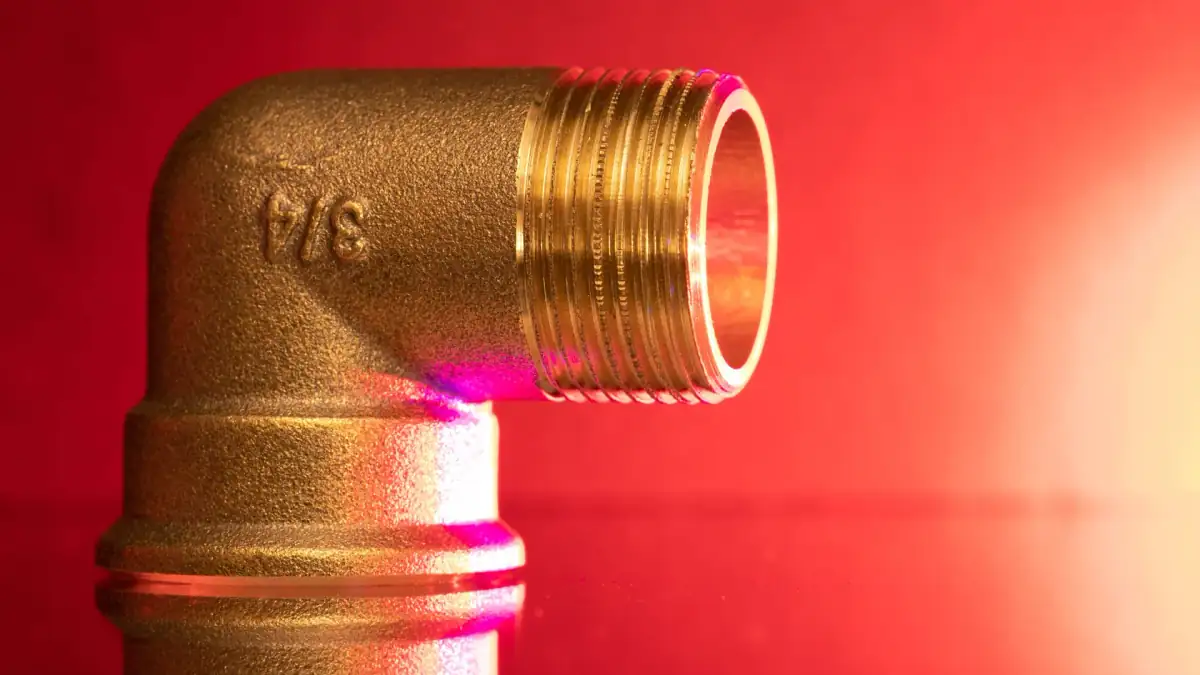
Withstands sustained hot-water temperatures without softening or weeping at joints
Opens automatically if tank pressure rises beyond the rated limit
Absorbs water expansion during heating and protects fittings from repeated pressure surges
Confirms even heat distribution and reveals any hidden seep at connection points
Hot water runs short quickly and the element cycles constantly, raising running costs
Repeated pressure spikes stress pipe joints and accelerate leaks over time
A full tank is heavy; inadequate fixings risk the unit falling and tearing connections
Standard pipe softens under sustained heat and begins to weep at joints
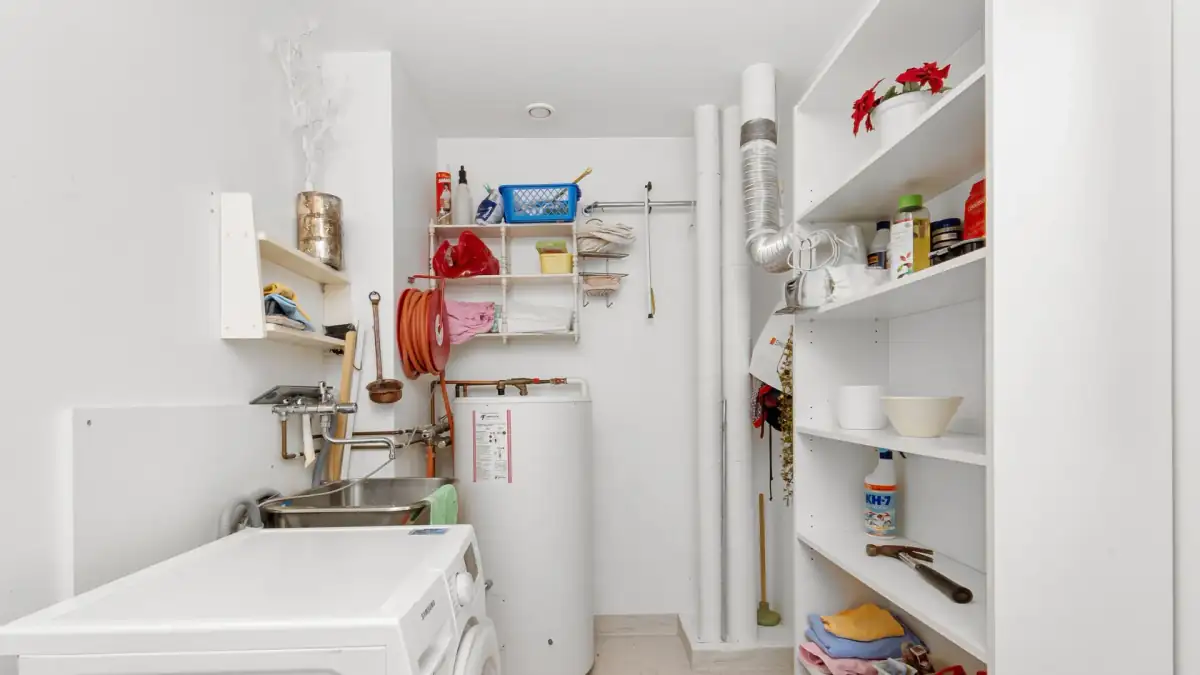
Before any unit goes on the wall, the technician assesses the number of occupants, bathrooms and the building type to select a capacity that covers real demand without wasting energy. An oversized tank heats water that sits unused; an undersized one runs short when it is needed most. Electric, gas and solar units each have different location requirements and connection sequences, and treating them the same is where problems start.
Mounting starts with a bracket or wall fixing rated for the full weight of the tank when loaded with water. Water lines are then connected with heat-rated pipe and isolation valves on both the cold supply and the hot outlet. The installation is not complete until an expansion vessel and a pressure relief valve are in place; these two components protect the entire line from the pressure that builds each time the element fires, a step that less experienced contractors routinely skip.
Once the tank is filled, every connection is checked for weeping before power or gas is switched on. For gas units, ventilation and the flue outlet are confirmed before the first ignition. In buildings where the water supply carries heavy mineral content, the element needs attention from the outset because scale begins accumulating from the first heating cycle and gradually reduces output without giving any obvious early warning signs.

Part of Water heaters · All services · Back to the home page
No fixed rate applies; these factors shape the final quote for each installation
Larger tanks and gas or solar units involve more complex installation work
Roof, store room or bathroom each require different access and fixing methods
Distance from tank to draw-off point determines pipe and fitting quantities
A new electrical circuit or gas supply line may be needed before fitting
Urgent requests outside regular hours differ in cost from scheduled appointments
Same method, same equipment. Only the size of the job changes.

Why us
Amana means trust. Someone else’s home is not ours to be careless in.
Do not take our word for it. Look at the heater yourself.
The element and thermostat first, not a new heater.
A dead heater does not wait for the morning.
Six governorates, 139 areas.
For buildings and complexes, servicing before the problem starts.
Offices, complexes and buildings, not only homes.
Six governorates, 139 areas.
Common questions
Need someone now? The emergency line is open any hour.
+965 9668 4964
No. A gas heater requires adequate ventilation and a working flue, making it unsuitable for enclosed spaces without openings. A solar unit needs unobstructed roof access. The site is assessed first to confirm which type fits before any recommendation is made.
Capacity depends on the number of occupants, bathrooms and how many outlets run at the same time. Too small and hot water runs out; too large and energy is wasted heating water that sits in the tank.
Usually only the line serving the new unit needs isolating, leaving the rest of the building with water. This depends on the layout of the existing network and which valves are already in place.
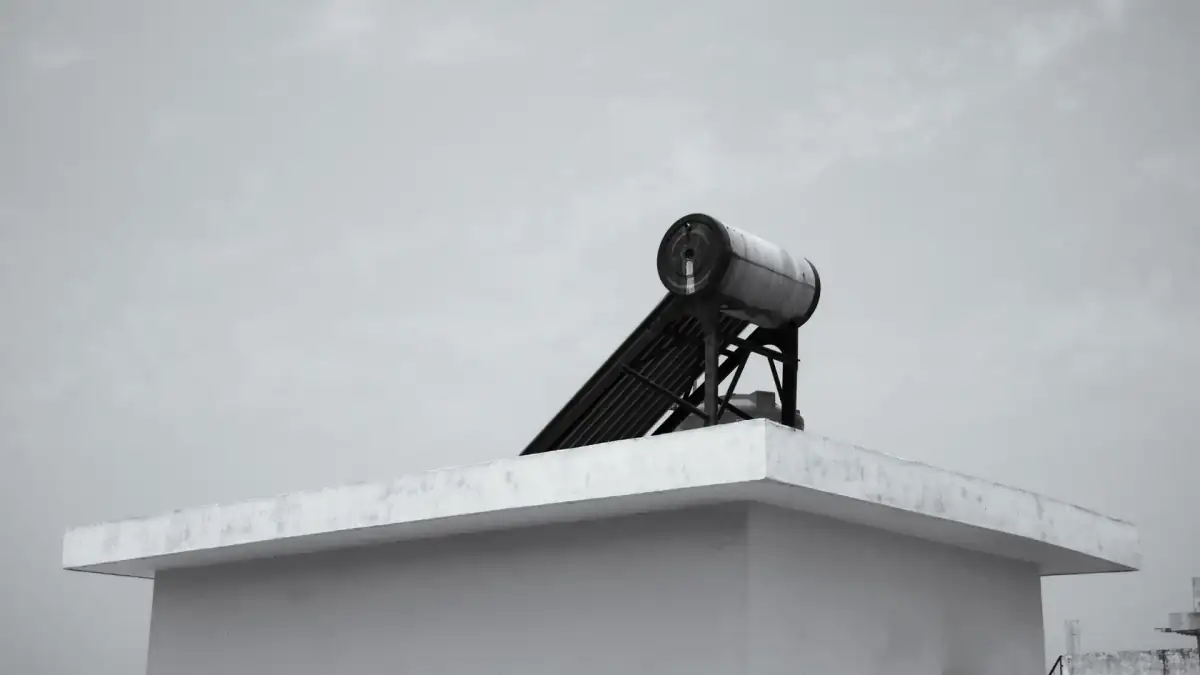
Yes. A unit on an exposed roof faces sharp temperature swings between Kuwait's summer and winter, which requires heavier mounting brackets and flexible connections that accommodate expansion and contraction in the pipework.
In most cases yes, provided the existing pipes are sound and correctly sized. The line is checked before connection and only sections that need replacing are changed.
A weeping joint or a missing expansion vessel is usually the cause; water accumulates above the slab and shows on the ceiling below before anyone notices the unit itself. This is exactly why a full pressure test before closing any fitting is not optional.