Dry trap check
Find traps dried out by disuse letting sewer gas into rooms.
Drain and sewage unclogging
Camera inspection and acoustic checking trace the real cause, dry trap, crack or leaking joint, so the smell does not come back.
Diagnosing and fixing sewer odour at its source, without guesswork or unnecessary breaking.
Find traps dried out by disuse letting sewer gas into rooms.
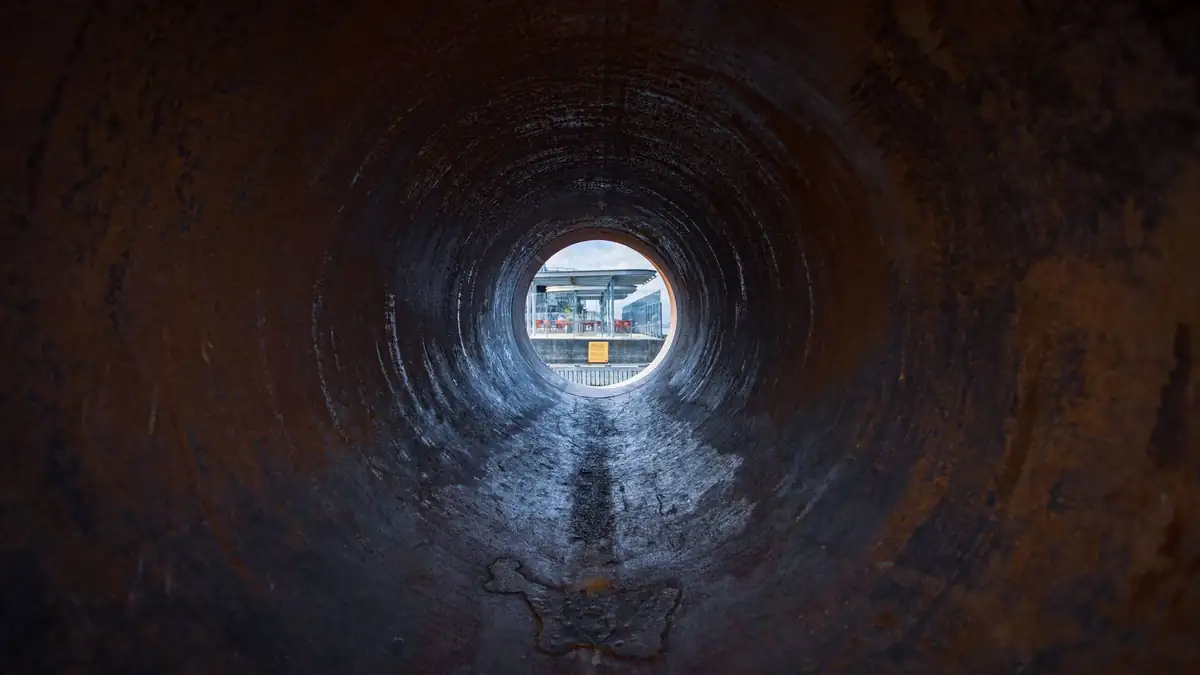
Film the pipe interior to locate cracks or failed joints releasing gas.
Pinpoint a leaking pipe acoustically before any tile or slab is touched.
Check that air admittance valves open and close correctly against gas return.
Remove decomposing grease and sludge deposits that generate odour inside the line.
Inspect chambers for cracks or open joints that let gas escape upward.
Describe where the smell appears and the property type for an initial assessment.
Team checks traps, vent valves and inspection chambers to narrow the source.
Camera and acoustic device pinpoint any crack, open joint or deposit source.
Jetting, joint sealing or pipe repair limited to the confirmed fault only.
Line filmed again and customer sees the clear result on the same screen.
From the inspection camera
Drag the divider and see the difference.
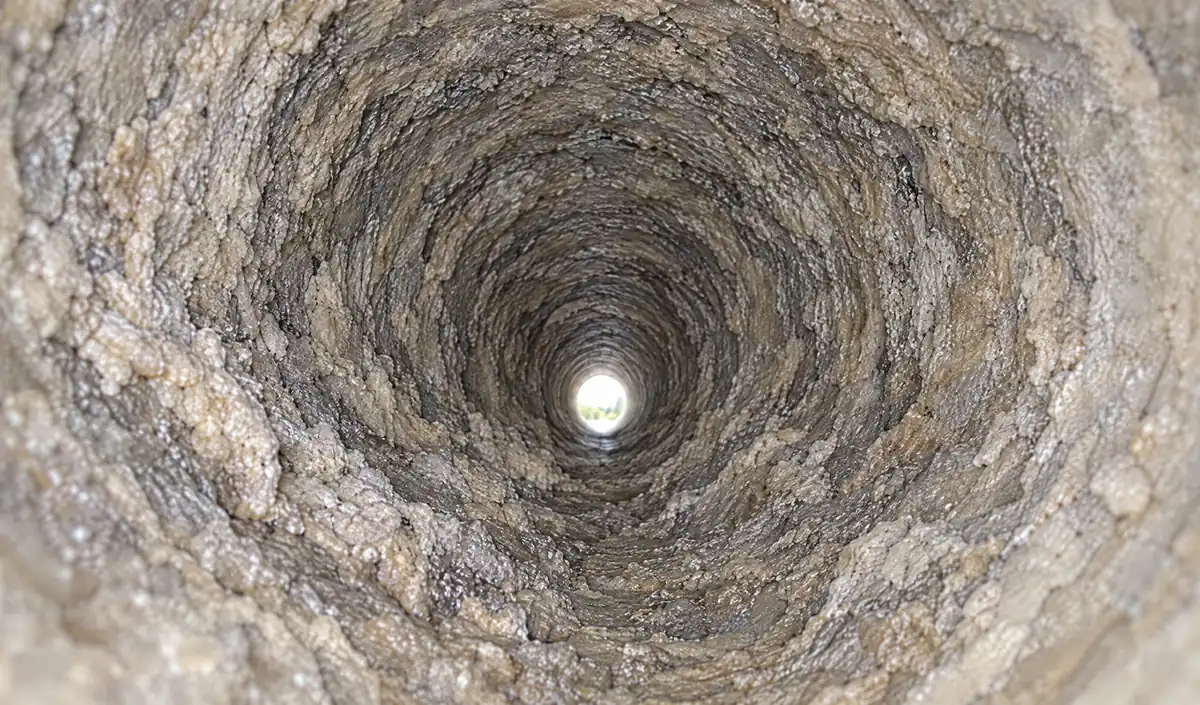
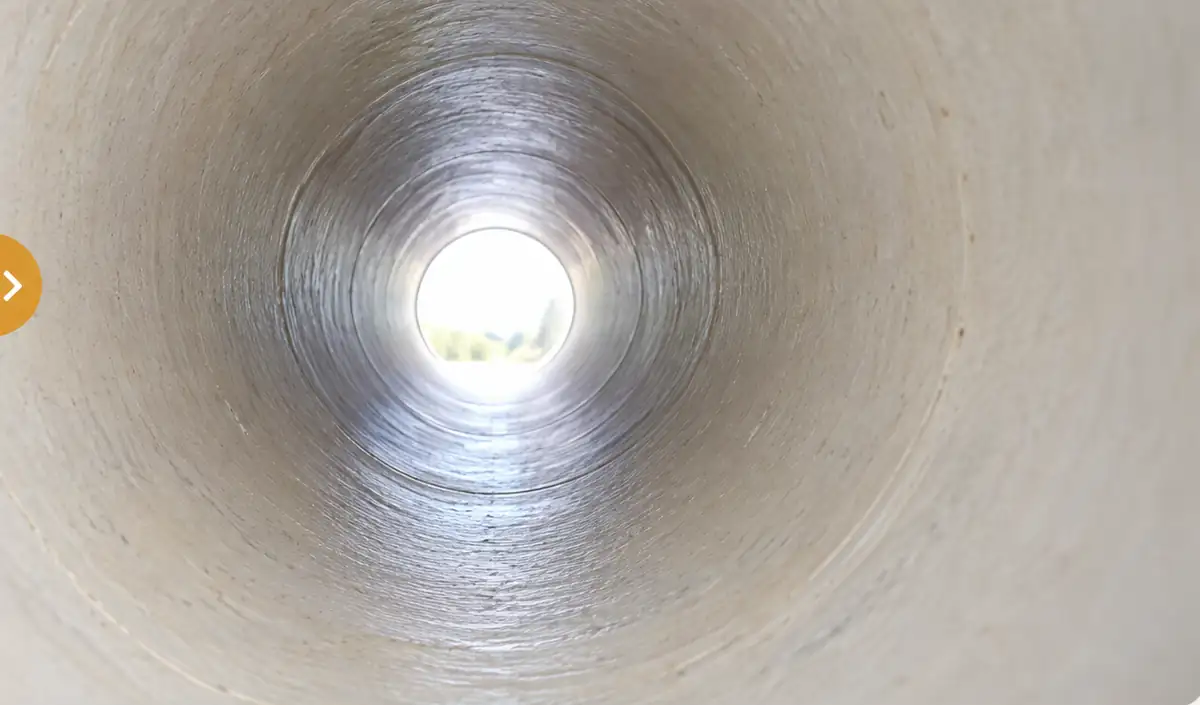
Every job starts with a recording and ends with one. The footage is kept and sent to you.
Travels inside the pipe and films the wall, showing exactly where a crack or open joint lets gas out.
Listens through walls and floors to locate a leaking pipe without opening any surface first.
Pumps harmless smoke through the drain system to reveal any unintended opening releasing sewer gas.
Strips decomposing grease and organic deposits from the pipe wall, removing the odour source directly.
Note which room or outdoor area smells, and whether it is worse at certain times of day.
Pour water into any floor trap in a rarely used room to refill it, then see if the smell fades.
Was the smell always present or did it start suddenly after rain, nearby works or a plumbing repair?
Is it a home, restaurant or complex, and does it drain to a public sewer or a private cesspit?
Sewer gas inside a building has several possible causes and none should be assumed before an inspection. A dried floor trap is the most common cause in Kuwait because traps in unused rooms lose their water seal quickly in the heat, and once the seal is gone, gas moves freely into the room. If refilling the trap does not clear the smell, the source lies elsewhere: a cracked pipe, a failed joint, or a vent that no longer closes properly.
The correct process starts by running an inspection camera through the drain line to film its interior wall, revealing cracks or open joints that release gas. Acoustic detection then narrows the location of any hidden leak to a precise point in the wall or floor before any surface is opened. A smoke test adds a further layer of confirmation, showing openings that a camera alone may miss. Breaking into a wall or floor only follows when the inspection proves the pipe itself is damaged and there is no other way to reach it.
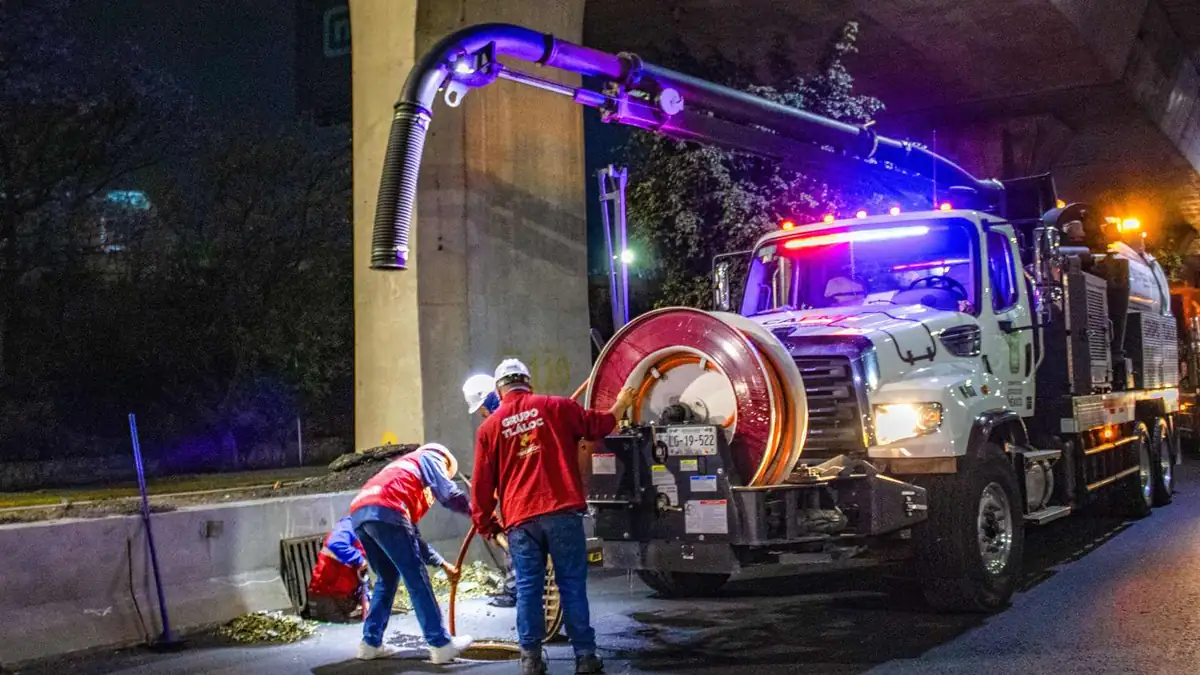
In some cases the cause is decomposing organic material inside the line rather than a structural fault, and high-pressure jetting to clear the deposits removes the odour source entirely without any repair work. In restaurants and commercial kitchens, grease builds up and breaks down quickly, producing persistent gas, so a regular cleaning schedule prevents the problem from returning rather than waiting for complaints. The line is filmed before and after work so the customer can see on the same screen that the source has been dealt with.
Part of Drain and sewage unclogging · All services · Back to the home page
No fixed rate applies; the quote depends on these factors specific to each job.
More rooms or lines to inspect means more time and a higher quote.
Smoke testing is added when the camera alone cannot confirm the source.
Longer lines take more time to camera-survey and jet-clean thoroughly.
A restaurant or complex involves multiple lines compared to a single apartment.
Night and weekend calls carry a different rate from regular daytime hours.
Same method, same equipment. Only the size of the job changes.
Why us
Amana means trust. Someone else’s home is not ours to be careless in.
Do not take our word for it. Look at the line yourself.
Breaking is the last resort, never the first step.
A blocked line does not wait for the morning.
Six governorates, 139 areas.
For buildings and complexes, servicing before the problem starts.
Restaurants, offices and complexes, not only homes.
Six governorates, 139 areas.
Common questions
Need someone now? The emergency line is open any hour.
+965 9668 4964
A floor trap needs standing water to form a gas seal. In an unused room that water evaporates quickly in Kuwait's heat, leaving the drain open to the building air. Pouring water into the trap is the first check; if the smell returns, another source needs tracing.
Yes in most cases. The inspection camera and acoustic device locate the source without opening any surface. Breaking is only decided when the survey confirms a broken pipe that cannot be reached any other way.
Sewer gas smells like rotten eggs and comes from drain openings or dry traps. A gas leak has a sharp sulphur note, is a safety emergency, and requires opening windows, leaving the building and calling the gas authority immediately. Do not confuse the two.
Sometimes yes, when deposits of grease or organic matter are decomposing inside the line. But if the source is a leaking joint or a damaged trap, cleaning alone does not fix it. That is why camera inspection comes before any other decision.
No. Sewer gas indicates a problem that needs fixing. Refilling a trap may solve a dry-trap case, but a cracked pipe or open joint will worsen over time. Methane and hydrogen sulphide from drain systems are not just unpleasant.
Yes. Restaurants and commercial kitchens are among the most common sources of drain odour due to rapid grease buildup. We inspect kitchen lines, inspection chambers and grease traps, locate the source and fix it.