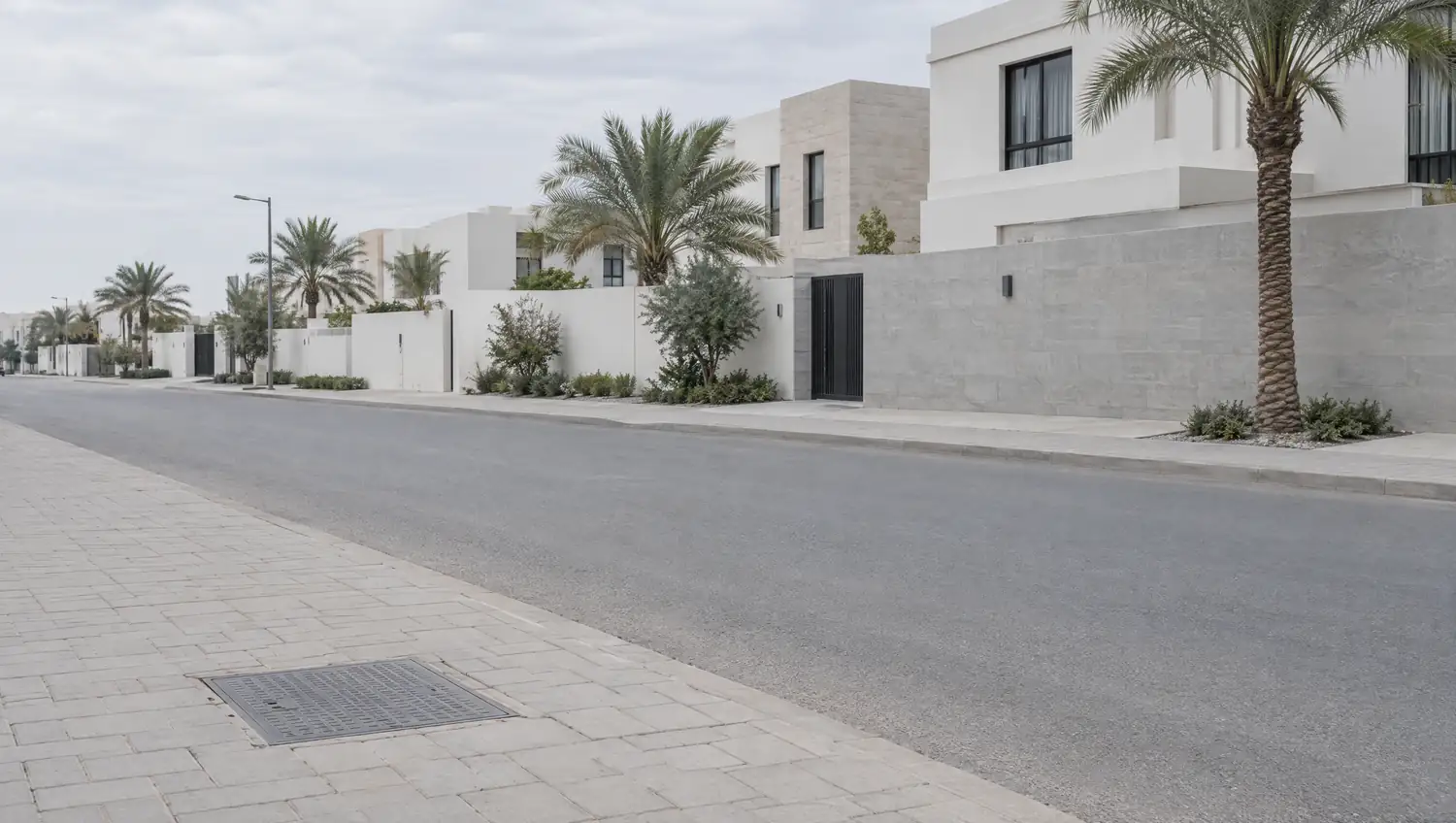
Cesspit emptying
Full pit evacuation to the base, preventing overflow into the property
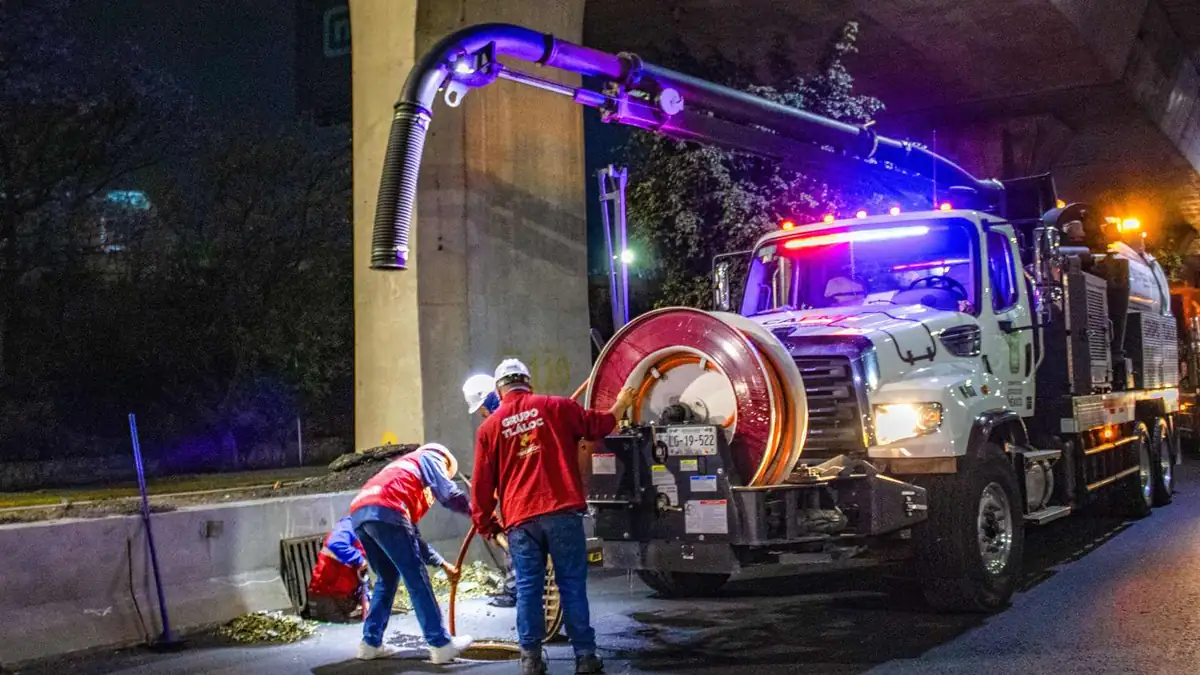
Emptying sewage pits, cesspits and holding tanks across residential and commercial properties
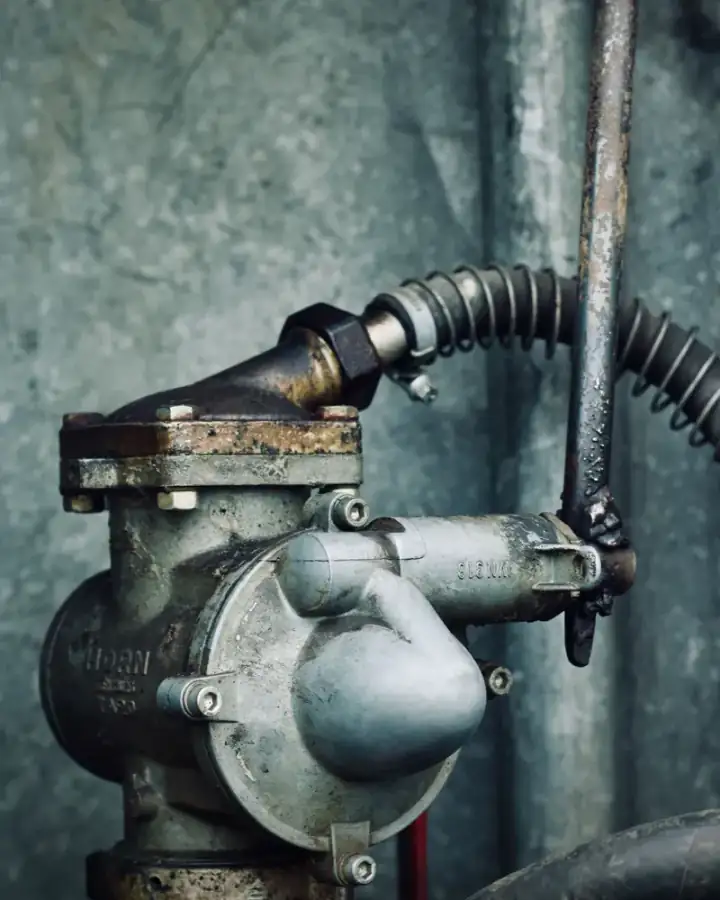
Full pit evacuation to the base, preventing overflow into the property
Clearing sealed sewage tanks in buildings and residential complexes
Round-the-clock response when overflow cannot wait until morning
Removing settled sludge caked to the pit walls after main suction
Measuring pit level and advising on a suitable emptying schedule
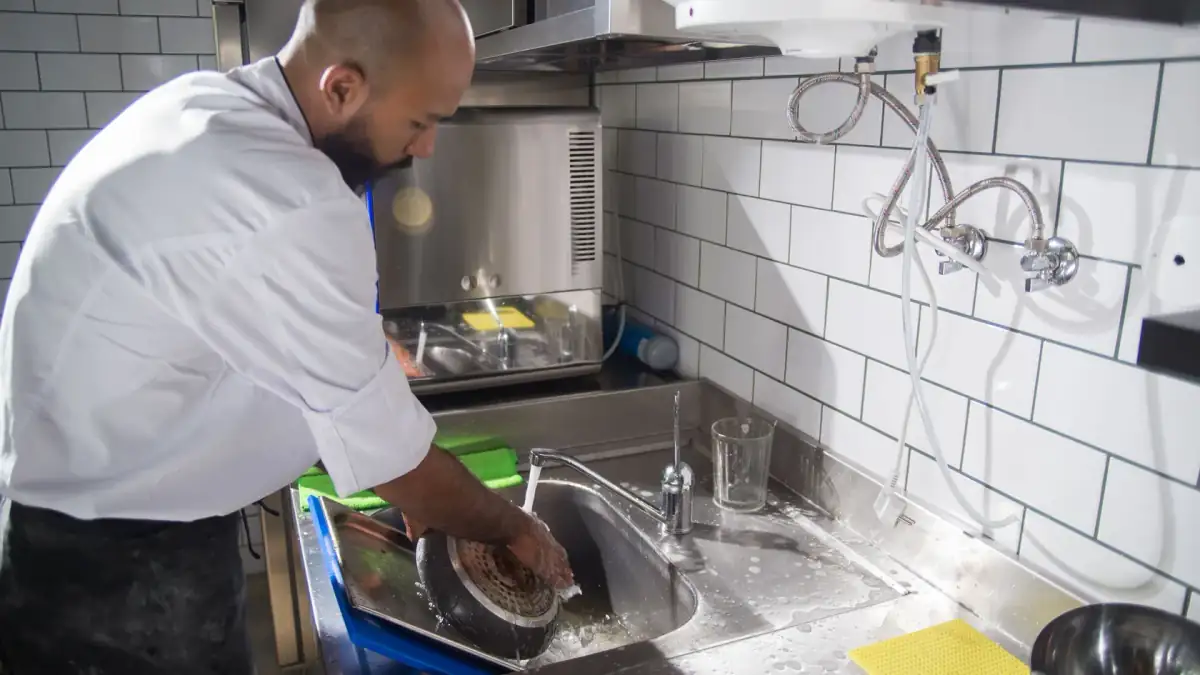
Emptying pits serving kitchens that produce heavy grease loads
Tell us your location, property type and urgency level
We set arrival time and dispatch the right tanker for the pit size
Camera films inside the pit to assess sludge condition before starting
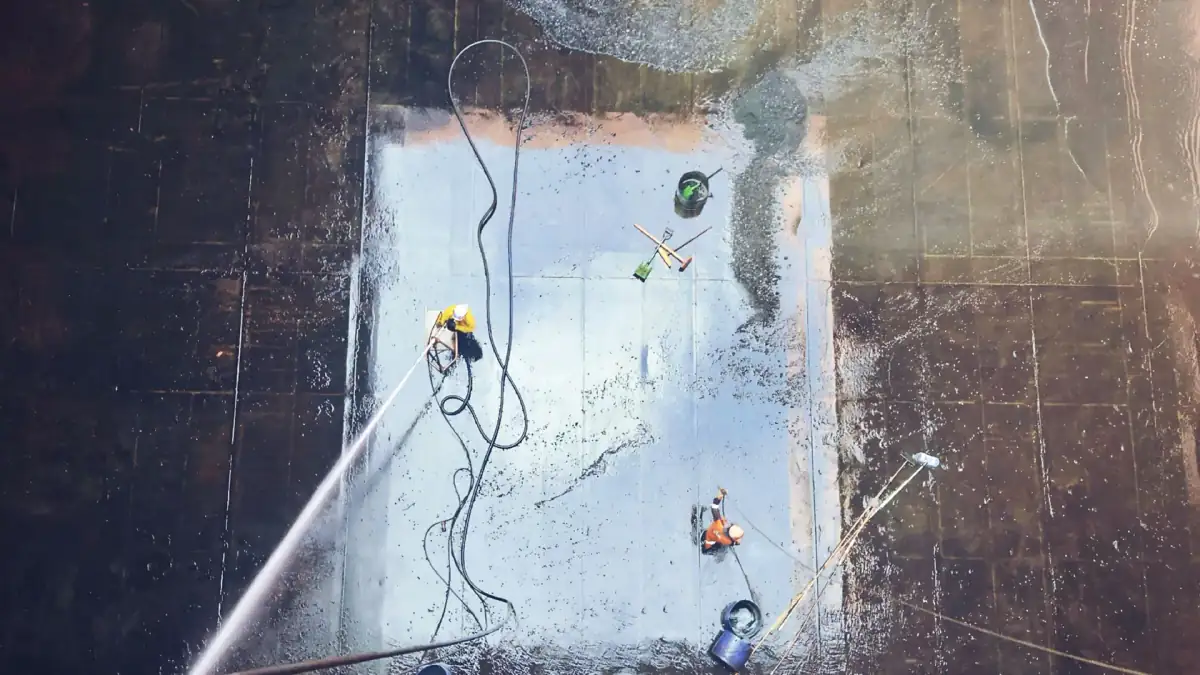
Full suction with sludge breakup and pit wall cleaning where needed
Camera confirms full clearance and customer views the result on screen
From the inspection camera
Drag the divider and see the difference.
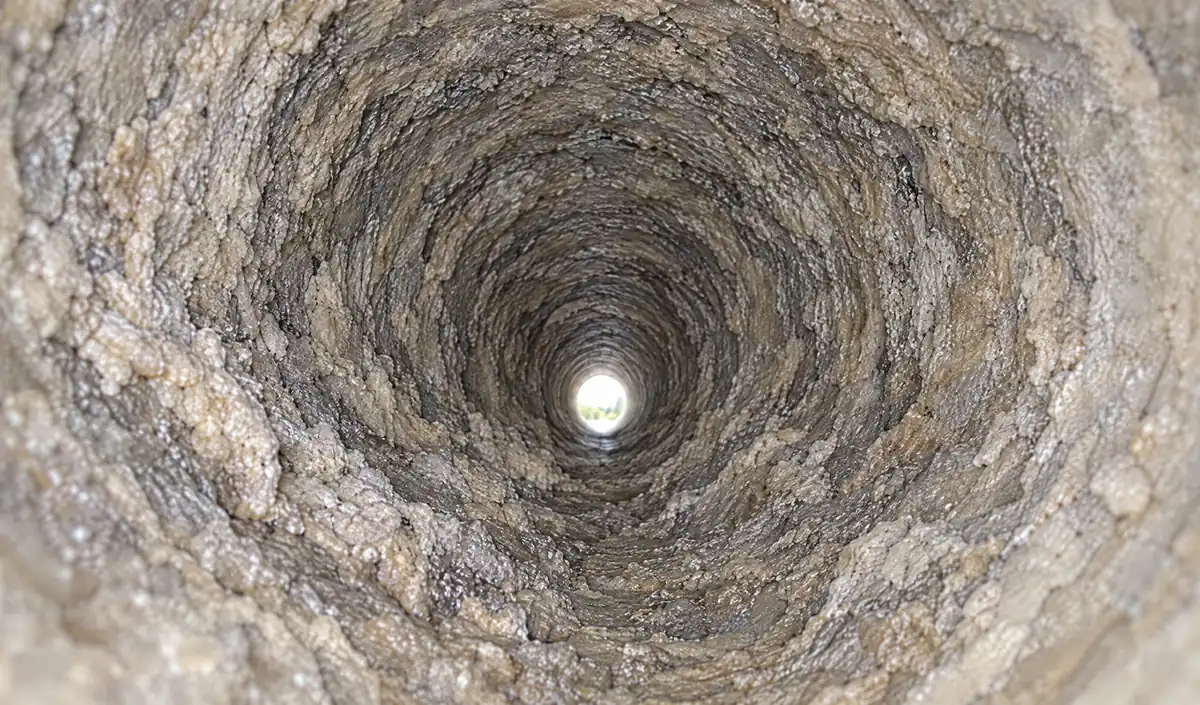
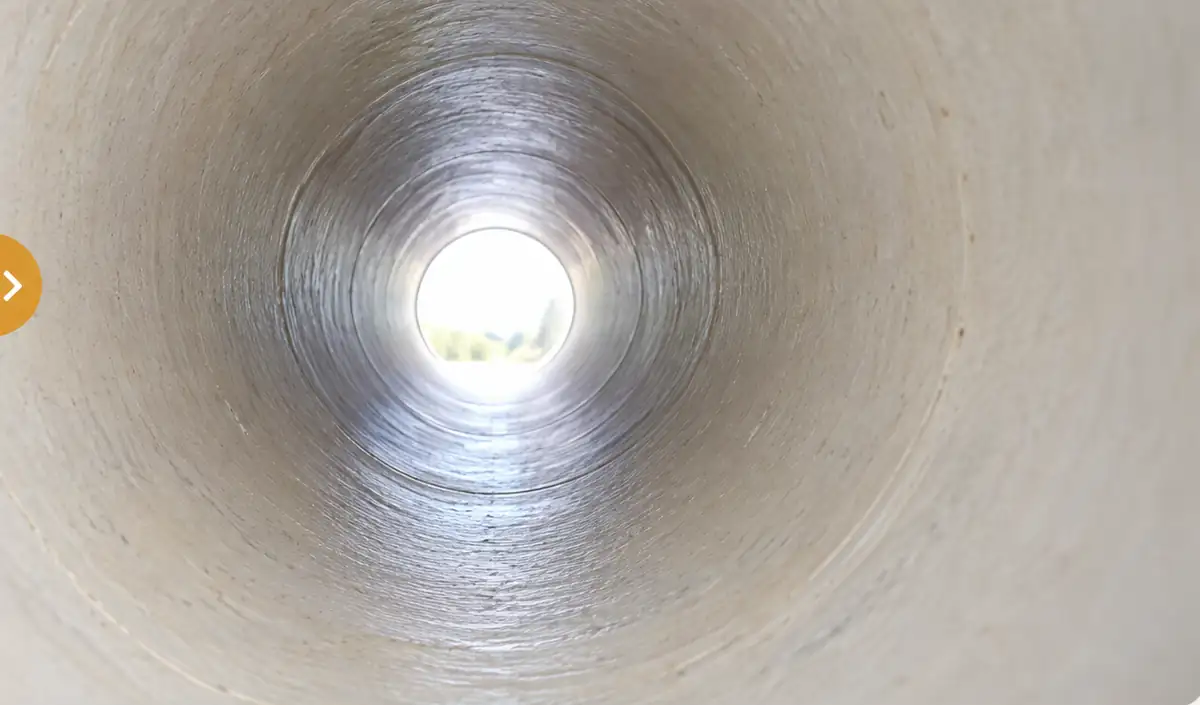
Every job starts with a recording and ends with one. The footage is kept and sent to you.
Generates suction strong enough to lift dense sludge from deep pits without leaving residue
Reaches pits with narrow openings or those set back from the street access
Films inside the pit before and after suction so the customer sees the result on screen
Breaks dry compacted sludge adhering to walls before suction for a full clear
Delaying suction lets the pit overflow into the basement, damaging floors and foundations
Leaving settled sludge at the base reduces working capacity and speeds refilling
Sludge bonded to walls hardens and narrows the pit volume with every suction cycle
Kuwait pits fill faster in summer heat; irregular emptying leads to repeated emergency calls
Many Kuwait properties are not connected to the public sewer and rely on a collection pit that must be emptied by tanker. The problem is that owners cannot see the pit, so they call only after odours appear or water backs up into the basement. The right approach starts with a camera check of the pit level before suction begins so the crew knows what they are dealing with and whether direct suction is enough or whether compacted sludge needs to be broken up with water pressure first.
After the main suction, the sludge bonded to the pit walls needs attention, and this is what many tanker operators skip. That layer hardens over time and reduces the pit's usable volume, meaning the pit appears empty but fills again faster than it should. Jetting water against the walls to break that layer and then suctioning again ensures the full pit volume is restored and available.
At the end of the job the pit is filmed again from inside and the image is shown on the same screen the customer watched before suction started. This removes any doubt about whether the work was completed fully. For properties that rely permanently on a pit, setting a regular emptying cycle based on pit volume and building use is practical advice, especially in summer when heat accelerates sludge concentration and the pit fills noticeably faster than in cooler months.
Part of Drain and sewage unclogging · All services · Back to the home page
No fixed rate applies; these factors shape the quote for each job
Larger pits require more tanker trips or a higher-capacity vehicle
Hardened dry sludge needs water jetting before suction and extends work time
Narrow openings or pits far from street access need longer hose runs
Night and weekend emergency calls differ in rate from pre-scheduled visits
Restaurants and building complexes produce higher volumes and need different coordination
Same method, same equipment. Only the size of the job changes.
Why us
Amana means trust. Someone else’s home is not ours to be careless in.
Do not take our word for it. Look at the line yourself.
Breaking is the last resort, never the first step.
A blocked line does not wait for the morning.
Six governorates, 139 areas.
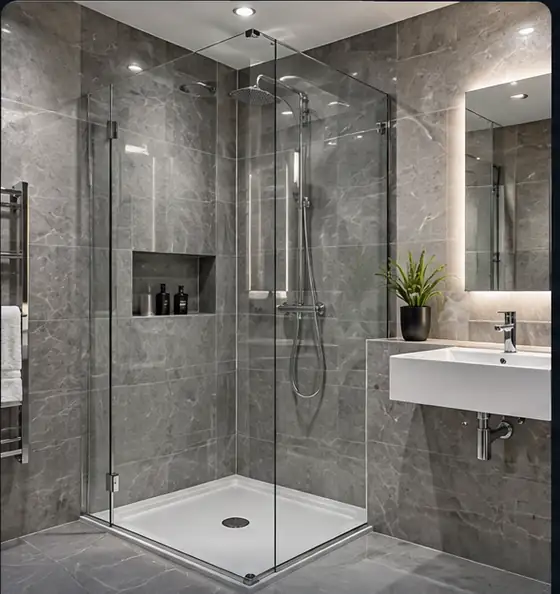
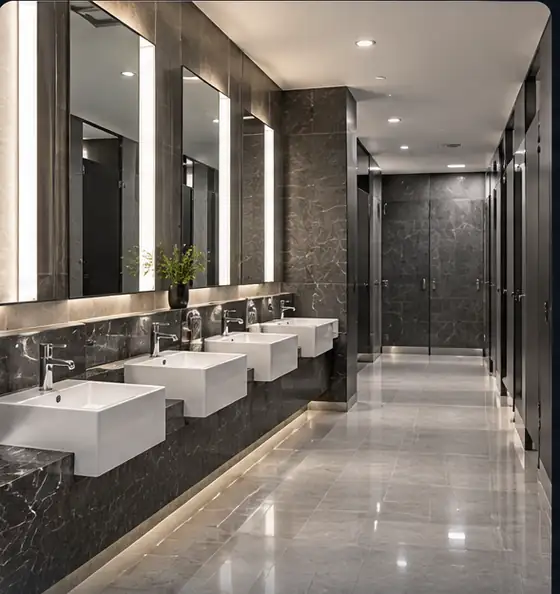
For buildings and complexes, servicing before the problem starts.
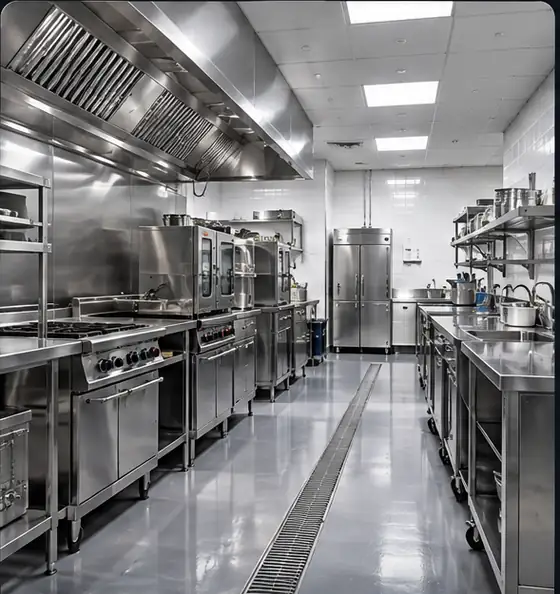
Restaurants, offices and complexes, not only homes.
Six governorates, 139 areas.
Common questions
Need someone now? The emergency line is open any hour.
+965 9668 4964
The first signs are usually sewer odour inside the property or slow drainage from basins. If either appears, call before waiting for water to back up into the basement. A camera check at arrival confirms the level precisely.
Yes. We operate around the clock across all 139 Kuwait areas. A sewage pit overflow is an emergency that cannot wait until morning.
High heat accelerates fermentation and concentrates solid sludge faster, reducing usable volume more quickly. Liquid evaporates and the dense residue accumulates faster than it does in cooler months, so the same household fills the pit in less time.
Suction removes the liquid and soft sludge, but sludge bonded to the walls remains and hardens over time, progressively reducing pit volume. Wall cleaning by water jetting restores full capacity and extends the interval before the next emptying is needed.
We serve homes, apartments, restaurants, commercial kitchens and building complexes across Kuwait. Restaurants typically need more frequent suction cycles because of the heavy grease loads their drains carry.
Yes. We film the pit with an inspection camera before work begins and again after suction ends, and the customer views the same screen both times. The result is visually documented, not just stated.