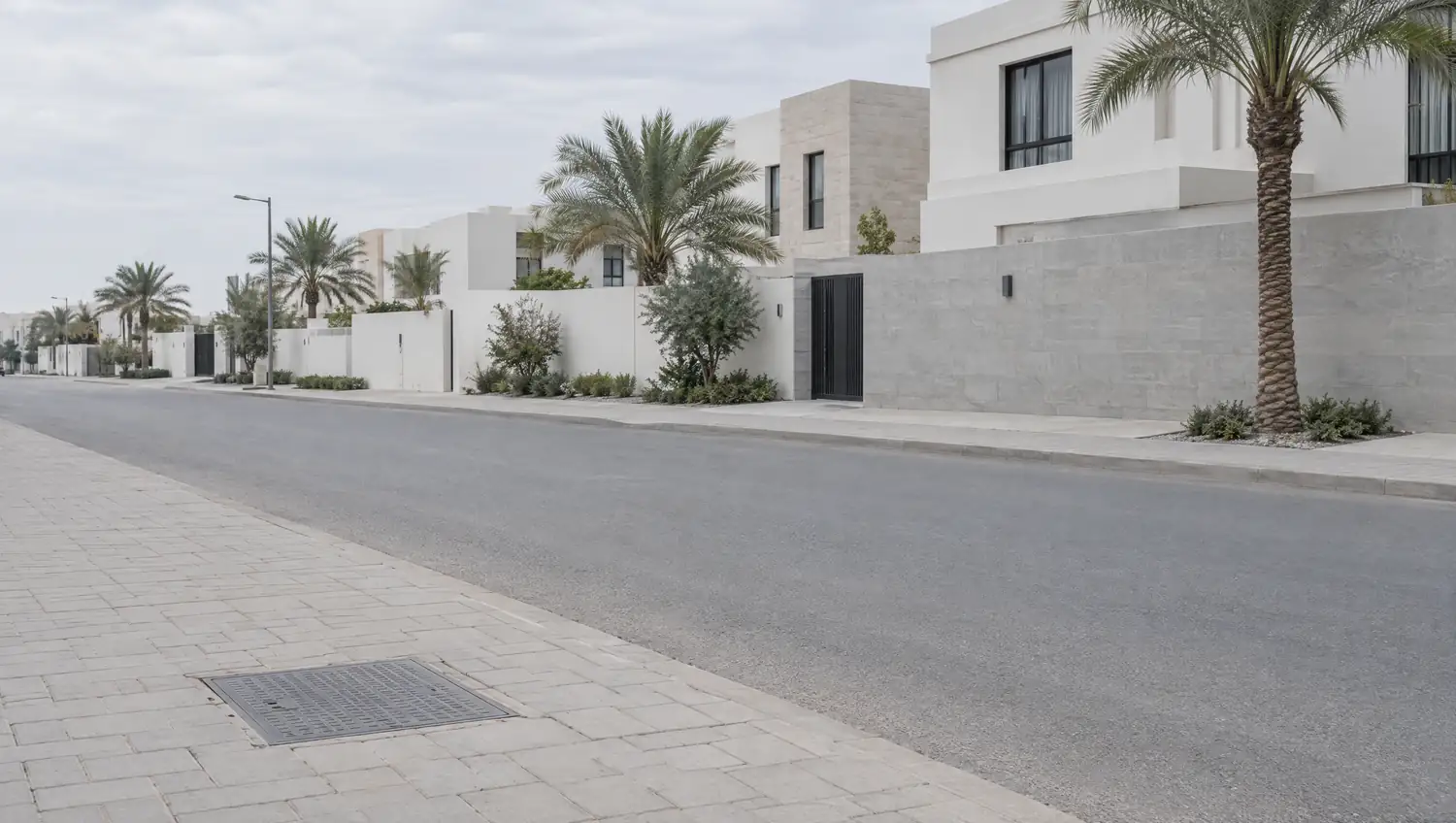
Sewer network installation
Laying internal and external sewer pipes with correct fall and alignment
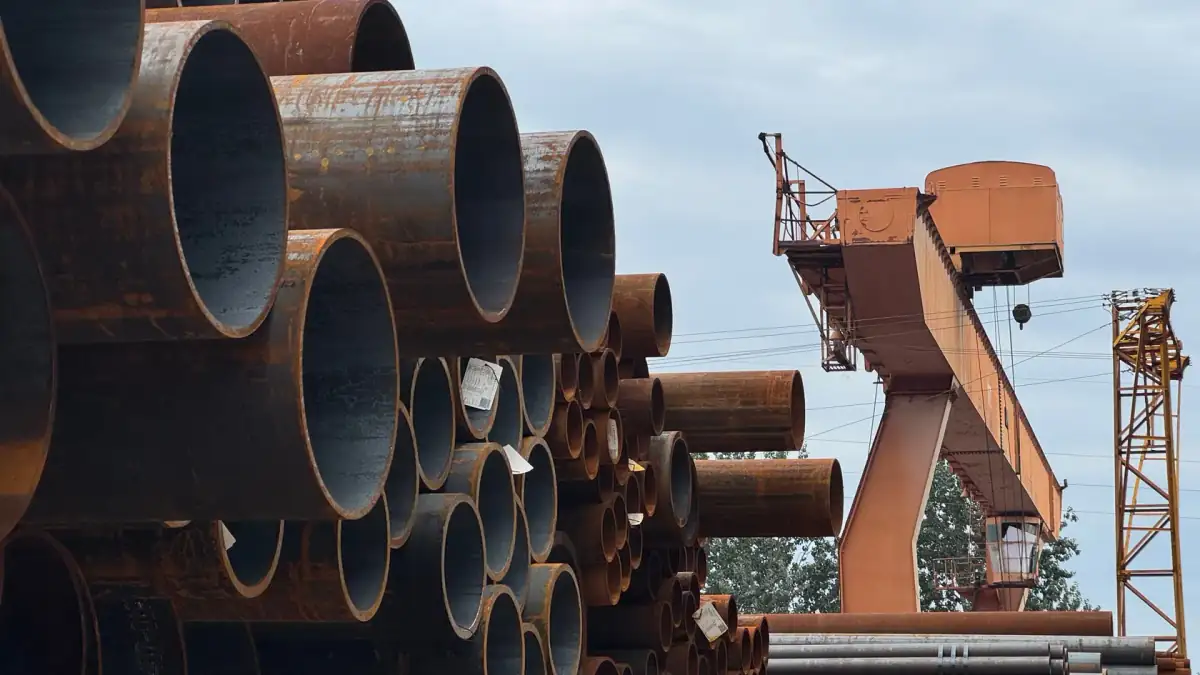
Full sewer network installation and municipal connection for new and existing buildings across Kuwait
Laying internal and external sewer pipes with correct fall and alignment
Tying the building network into the public sewer at the designated manhole
Camera survey confirms no offset joints, sags or debris before backfilling
Constructing or placing inspection chambers at correct intervals along the network
Testing joint integrity to confirm no leaks before the trench is covered
Drainage works for villas, commercial buildings, and residential complexes
Describe the building type, build stage, and known public sewer location
Inspect site to fix pipe routes, depths, and inspection chamber positions
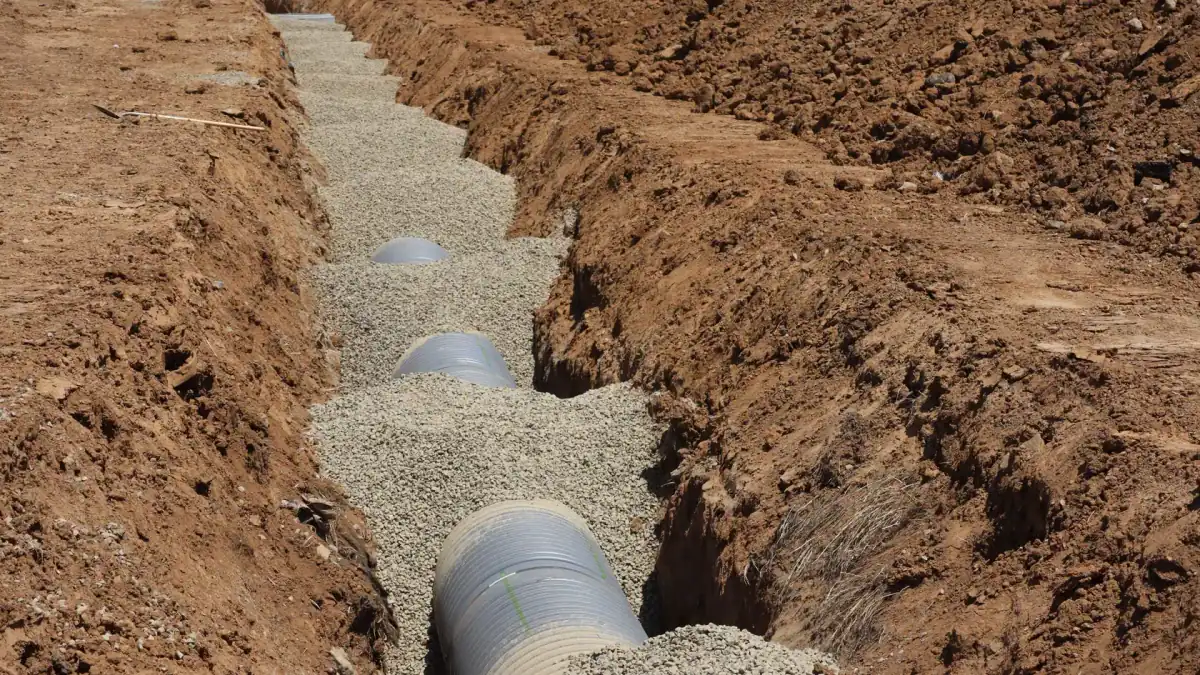
Dig trenches and lay pipes at correct gradient and diameter throughout
Survey the full network by camera before backfilling to confirm every joint
Close trenches and hand the owner the camera report and chamber locations
From the inspection camera
Drag the divider and see the difference.
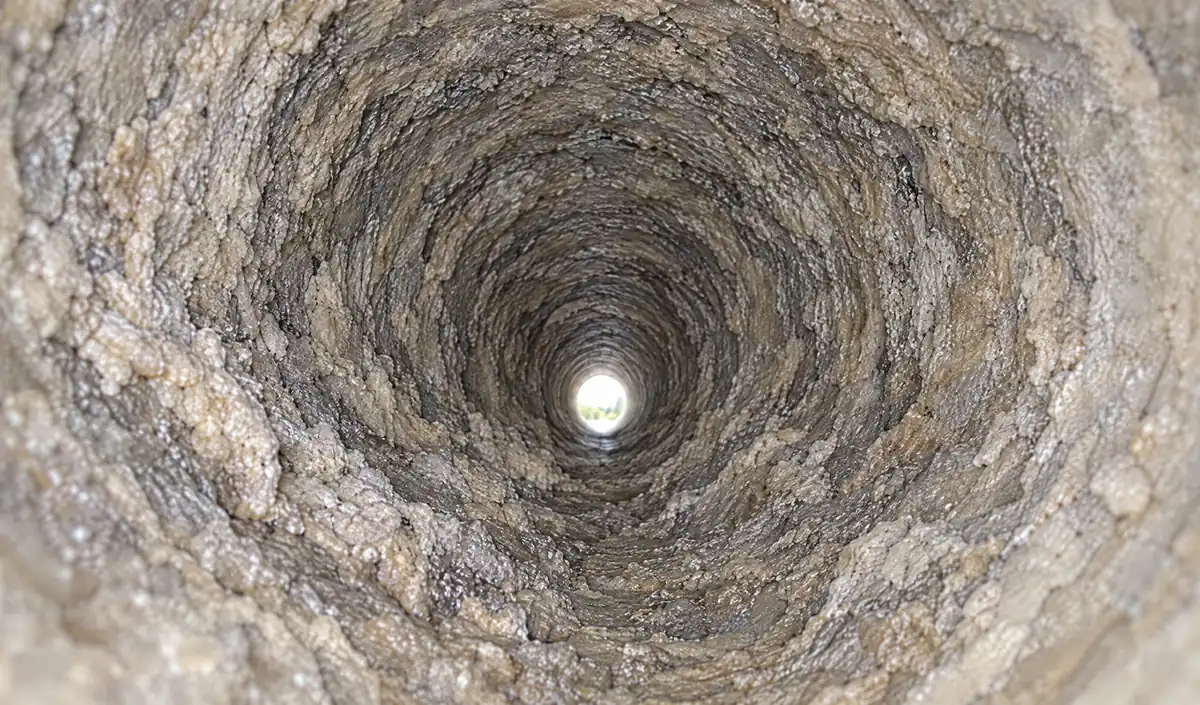
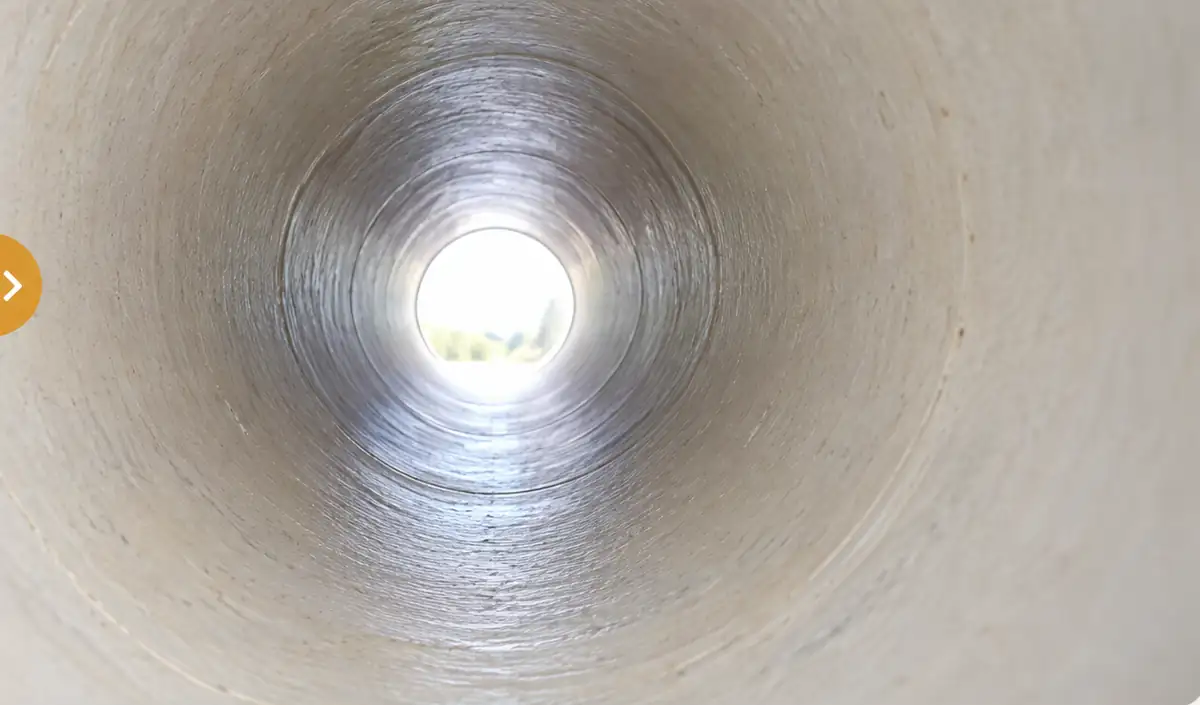
Every job starts with a recording and ends with one. The footage is kept and sent to you.
Too shallow a fall traps grease and sand; too steep a fall leaves solids behind in the line
Closing the trench without a camera hides offset joints and crushed fittings that cause blockages later
Connecting without a proper inspection chamber creates ongoing access and compliance problems
Loose pipe joints allow sewage to seep into the surrounding ground and undermine foundations over time
A floor plan or site drawing helps plan pipe routes and inspection chamber positions accurately
Know where the public sewer runs in front of your property and where the nearest public manhole sits
A villa, a restaurant, and a residential complex each need different pipe sizes and chamber spacing
State whether floors are open or already cast, as this determines the installation method and scope
Sewage contracting work begins with planning pipe routes and inspection chamber positions before any excavation starts. Pipe gradient is not a minor detail: a line laid too flat traps grease and fine sand from the first day, while one pitched too steeply leaves solids stranded in bends. Pipe diameter is chosen according to the expected flow load and line length, not whatever is available on site.
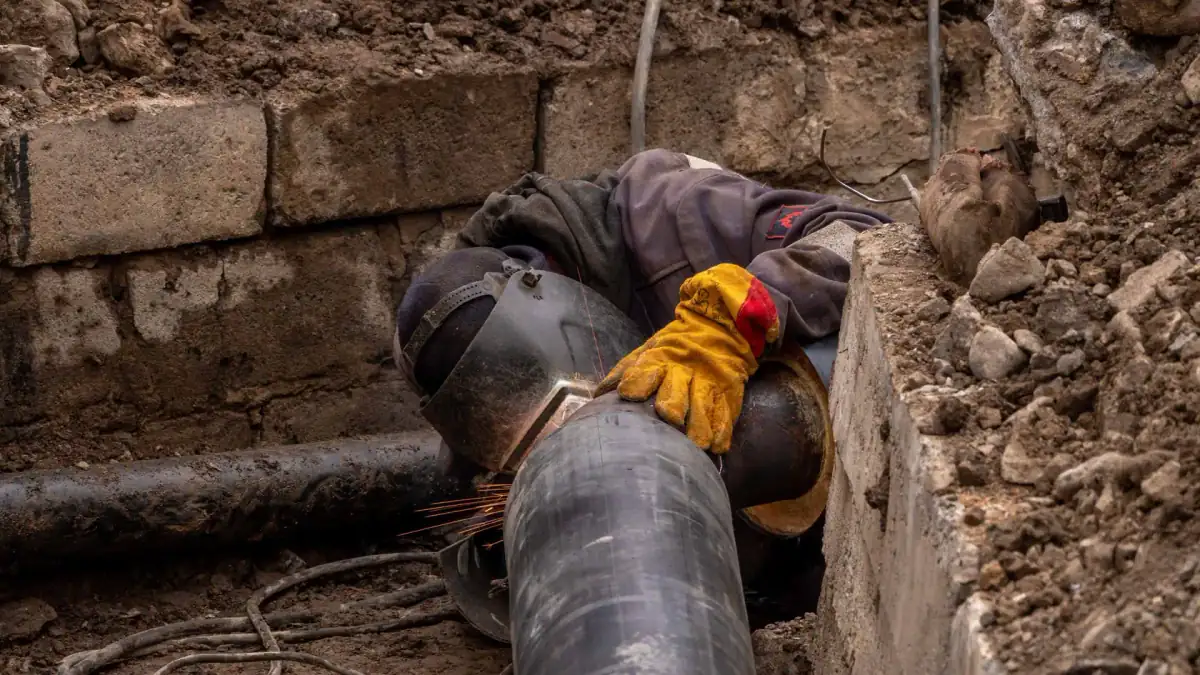
The municipal connection is made through a licensed inspection chamber in the driveway or street, not by cutting directly into the public main. After pipes are laid and before any trench is backfilled, an inspection camera travels the full length of the new network. The camera reveals offset joints, deformed fittings, and debris that cannot be spotted from the surface, and the footage stays on record for the owner.
For restaurants and building complexes, higher flow loads are factored into pipe sizing, and extra inspection chambers are added to make future maintenance straightforward. Where a property drains to a cesspit rather than the public sewer, tank capacity and tanker access are planned into the layout from the start. Every section of the network must be reachable by camera or jetting equipment without breaking any finished structure.
Part of Drain and sewage unclogging · All services · Back to the home page
No fixed price list applies; the quote depends on site and project conditions specific to each job
Longer and deeper runs mean more excavation, pipe quantity, and backfill volume
Complexes and restaurants need larger pipe diameters and more inspection chambers than a single villa
Concrete slabs or compacted sub-base significantly increase excavation cost and time
Distance to the public sewer and the depth of the existing manhole affect connection cost
The number of chambers required and total line length surveyed by camera affect the overall cost
Same method, same equipment. Only the size of the job changes.
Why us
Amana means trust. Someone else’s home is not ours to be careless in.
Do not take our word for it. Look at the line yourself.
Breaking is the last resort, never the first step.
A blocked line does not wait for the morning.
Six governorates, 139 areas.
For buildings and complexes, servicing before the problem starts.
Restaurants, offices and complexes, not only homes.
Six governorates, 139 areas.
Common questions
Need someone now? The emergency line is open any hour.
+965 9668 4964
No. The correct tie-in is made through a dedicated inspection chamber that allows future access without excavation. A direct tap into the public main creates a blind point that cannot be maintained or inspected.
Correct gradient lets the water carry solids along naturally. A line laid too flat deposits grease and sand regardless of diameter, leading to repeated blockages from the start.
The camera reveals offset joints and deformed pipes while they are still accessible. These defects are simple to fix in an open trench and costly to correct after backfilling.
Yes. Restaurants produce heavy grease loads that require larger pipe diameters and more closely spaced inspection chambers. A network sized for a home cannot handle the flow from a commercial kitchen.
Yes. We serve villas, apartment buildings, residential complexes, offices, and restaurants across all 6 Kuwait governorates.
The camera footage is shown to the owner immediately. The owner decides based on actual images whether to repair the existing fault before the connection proceeds. Nothing is backfilled without the owner's agreement.