Pre-work survey
Camera run before any intervention to locate the exact fault point
Drain and sewage unclogging
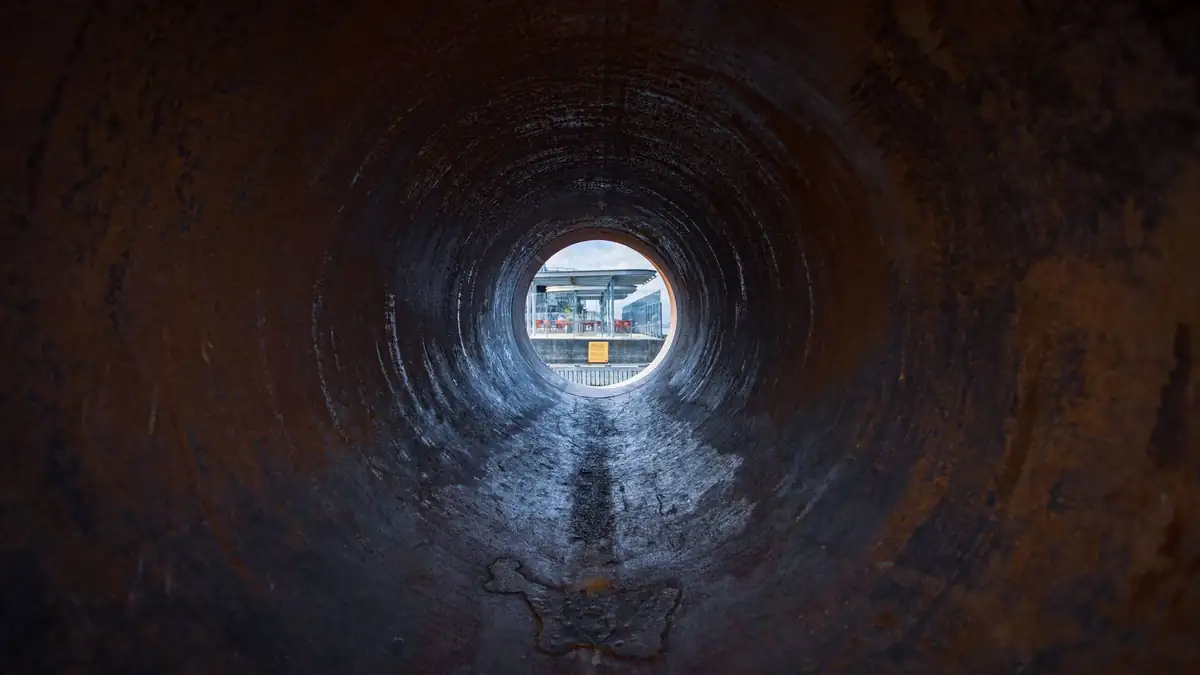
Before any guesswork or tile breaking, the camera goes inside the line and shows the exact fault on screen, and you watch alongside the technician.
Full internal camera survey of drain and sewer lines, from the first run to the final visual record
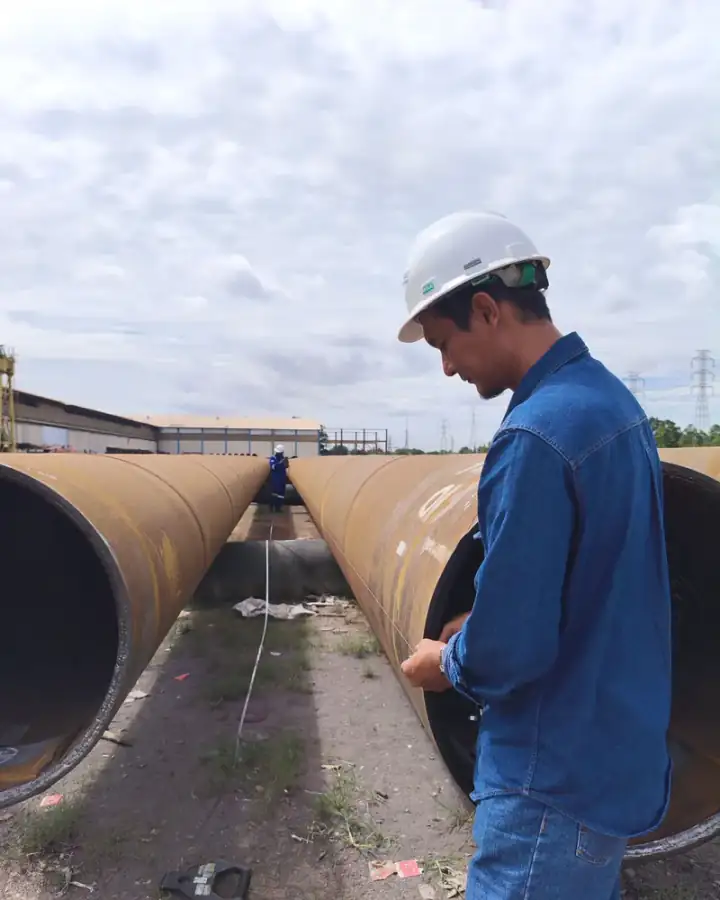
Camera run before any intervention to locate the exact fault point
Second camera pass after clearing confirms the line is clean and open
Camera reveals pipe cracks and joint displacement caused by ground movement or roots
Internal leak points identified before any decision to break and repair
Camera survey of lines entering and leaving inspection chambers and cesspits
Survey of restaurant and commercial lines where grease and deposits build up
Describe the problem and property location to book the right team
Technician identifies the best access point to insert the camera
Camera pushed through the line while owner watches the live screen
Fault location marked and explained to owner before any breaking decision
Second camera pass after work confirms the line is clear and sound
From the inspection camera
Drag the divider and see the difference.
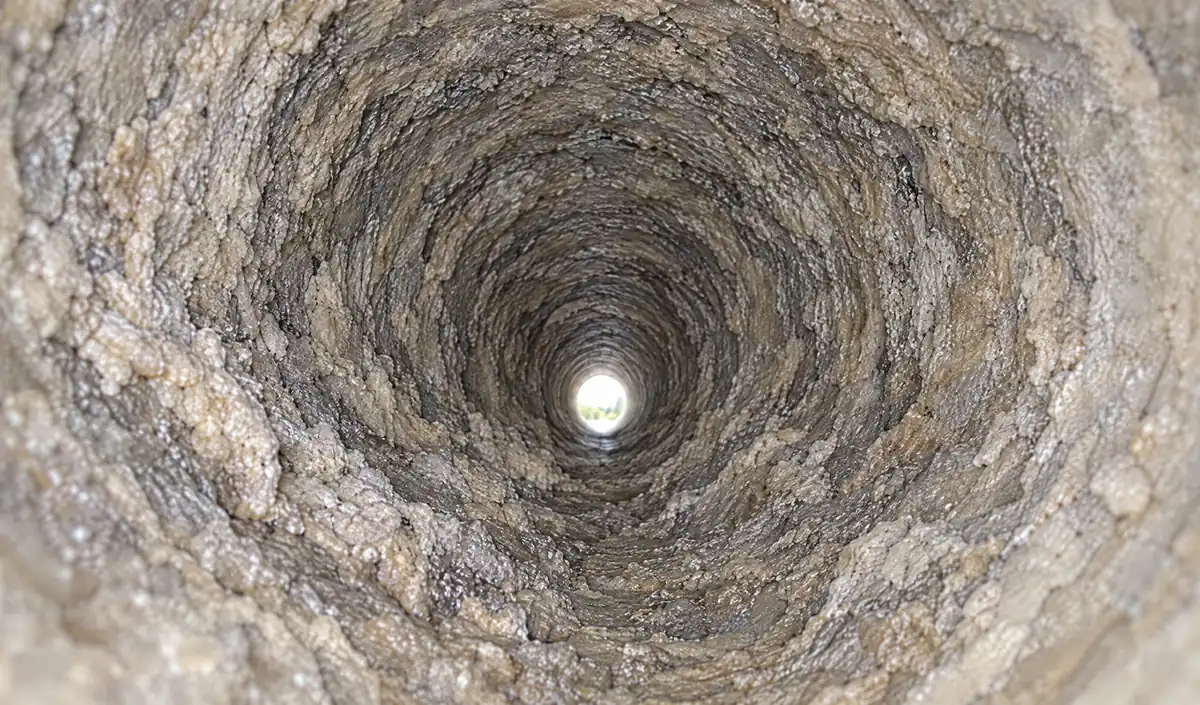
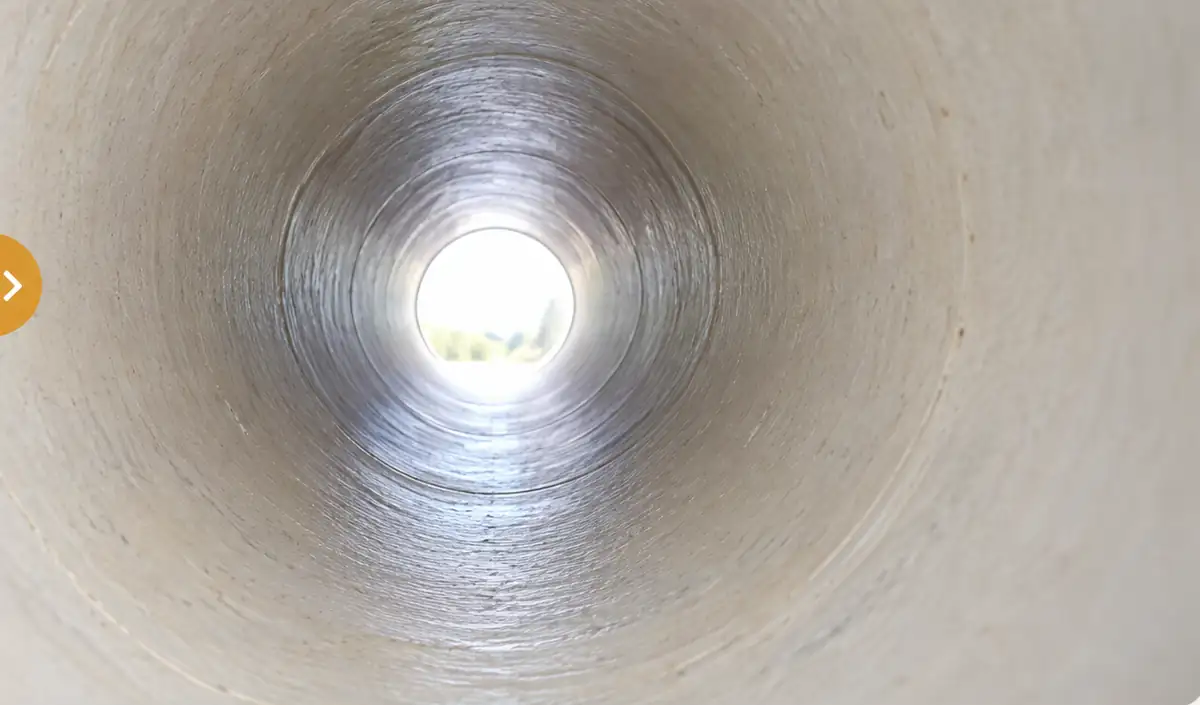
Every job starts with a recording and ends with one. The footage is kept and sent to you.
Breaking tiles on guesswork costs far more than a camera run that pinpoints the fault first
Running the camera through standing water obscures the view and gives unreliable results
One camera run before work without a follow-up pass leaves no proof the line is clear
A small joint displacement traps debris and causes repeat blockages if left unaddressed
Note which drain runs slow, smells or gurgles so the technician surveys the right line first
Knowing where the inspection chamber or cleanout is tells the technician where to insert the camera
Stop running water into the line before the survey; a dry pipe gives the camera a clear image
When the problem started and any previous clearing work helps interpret what the camera shows
The survey starts by identifying the best entry point, whether a cleanout fitting, inspection chamber or cesspit opening. The flexible camera head is pushed slowly through the line while the feed appears on screen in real time. The technician and the owner view the same image: grease build-up, a cracked pipe joint, ground-displaced pipe sections or root intrusion all appear as they are. Nothing is assumed; every decision that follows is based on what the camera recorded.
Many drain lines in Kuwait carry hardened cooking oil that congeals as it cools, fine wind-blown sand that settles in bends, or cracks that opened after ground settlement. These faults do not show up through jetting alone or by listening from outside. On camera they are plain. When the owner watches the screen during the survey, the reason behind a recurring blockage becomes clear and the repair decision is made with full information rather than on assumption.
After any clearing or repair work the camera goes back in for a second pass. This confirms the line is free of remaining deposits and that no dislodged debris has re-lodged further along the pipe. If the first survey found a cracked or broken pipe section, the exact position is marked before any floor or ground is opened. Breaking is limited to the confirmed fault location only, which keeps reinstatement work to its practical minimum.
Part of Drain and sewage unclogging · All services · Back to the home page
No fixed rate applies; the quote depends on the line, its access conditions and the scope of the survey
A longer or narrow-diameter line takes more time and needs a different camera head
An existing nearby cleanout reduces effort; sealed lines need more preparation work
Restaurant and complex lines are more involved than a single residential unit
Pre-work and post-work passes are two separate runs that affect the total cost
Night, holiday and emergency calls are priced differently from standard hours
Same method, same equipment. Only the size of the job changes.
Why us
Amana means trust. Someone else’s home is not ours to be careless in.
Do not take our word for it. Look at the line yourself.
Breaking is the last resort, never the first step.
A blocked line does not wait for the morning.
Six governorates, 139 areas.
For buildings and complexes, servicing before the problem starts.
Restaurants, offices and complexes, not only homes.
Six governorates, 139 areas.
Common questions
Need someone now? The emergency line is open any hour.
+965 9668 4964
The owner watches the live feed alongside the technician during the survey. Nothing is interpreted on their behalf. What appears on screen is the basis for any decision that follows.
The camera sees cracks, fractures and points where groundwater enters the pipe from outside. This pinpoints the leak location precisely. In some cases acoustic detection is used alongside the camera to confirm the finding before any excavation.
If the line is fully blocked or holding standing dirty water, a light initial clear is done first so the camera gives a readable image. Filming through thick murky water produces an unreliable picture that cannot guide a repair decision accurately.
Yes. Roots from courtyard and street trees push through ageing pipe joints and gradually block the line. The camera shows them clearly and marks exactly where they entered the pipe, which guides the repair work.
No, they serve different purposes. The camera diagnoses; jetting or suction is the treatment. Accurate diagnosis does prevent unnecessary tanker calls by confirming whether the issue is a blockage, a broken pipe or something that needs a different fix.
Main lines and inspection chambers of a building can be surveyed in one visit depending on the building size and number of lines. Branch lines to individual units are added based on the findings, coordinated with building management.