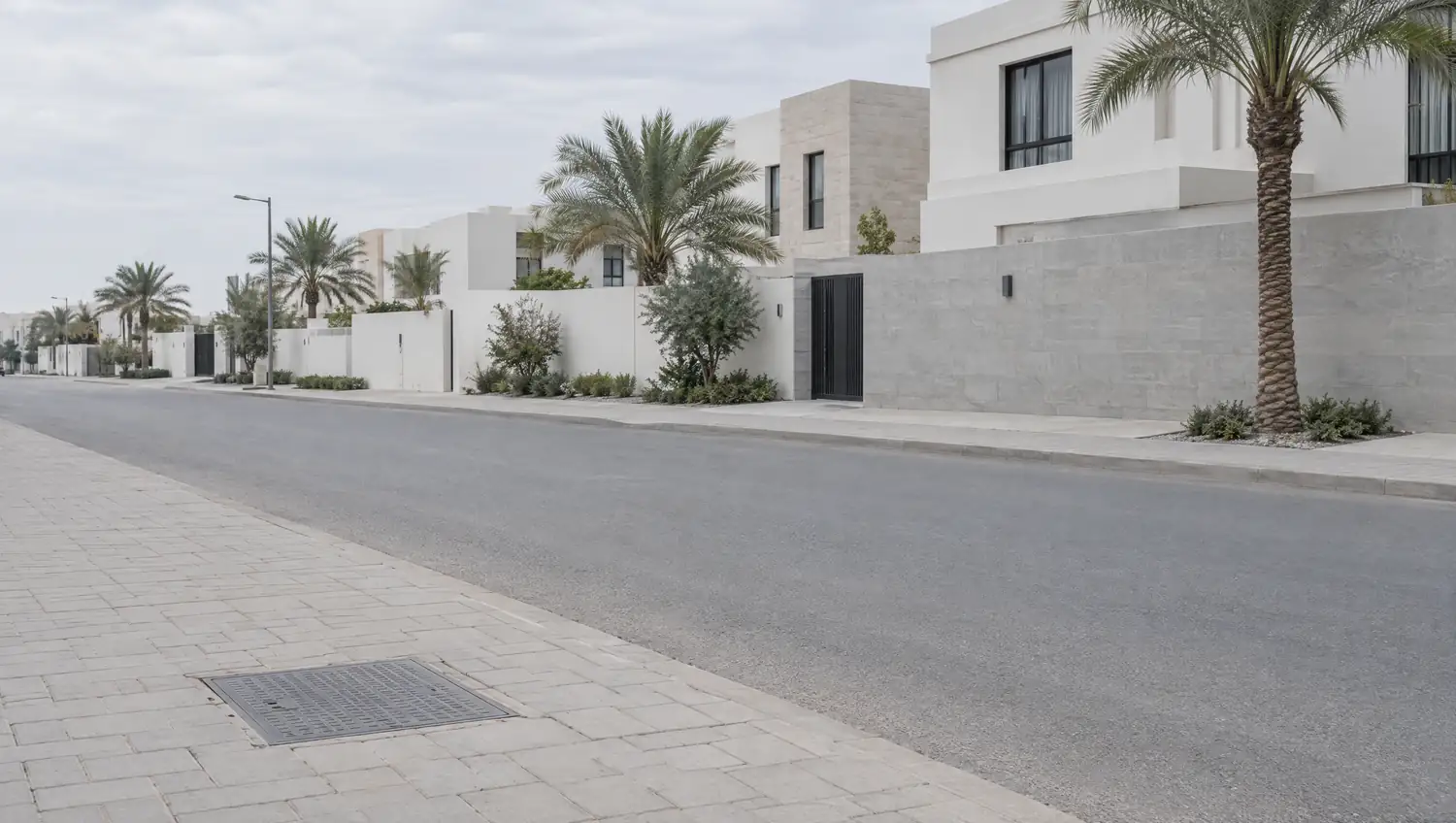
Floor gullies
Clearing bathroom, entrance and corridor gullies blocked by sand or hair
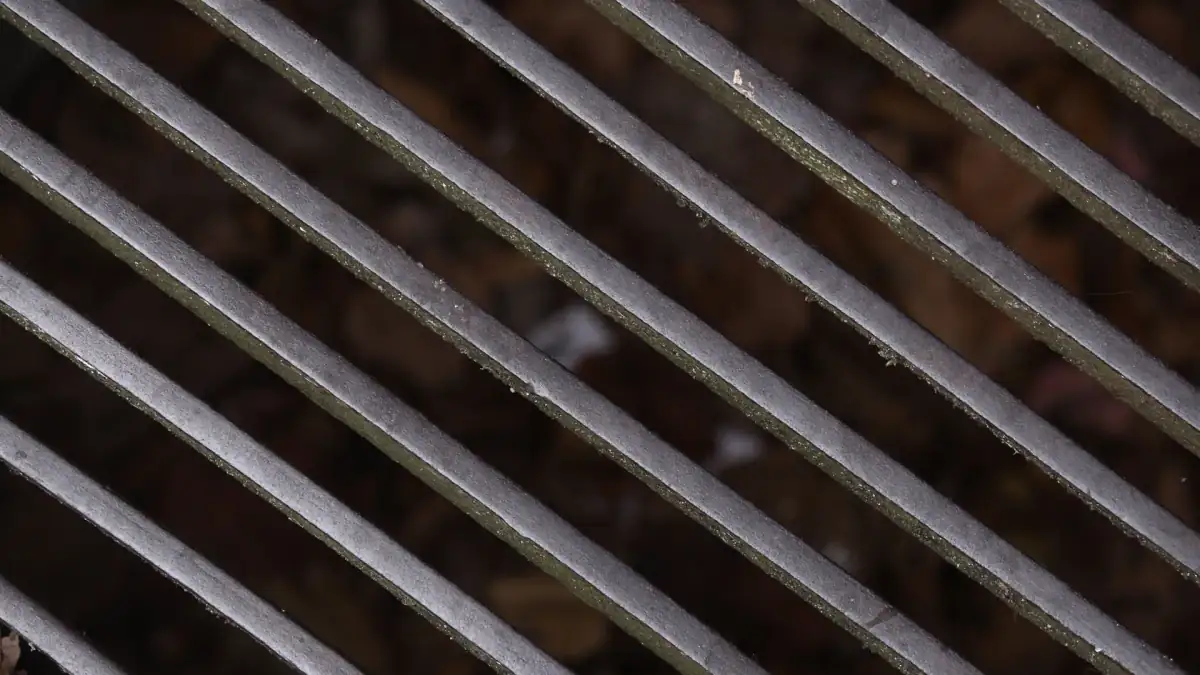
Drain and sewage unclogging
Grease, fine sand and dry traps block gullies without warning; we locate the obstruction, clear it and confirm the line is open on camera before we leave.
Clearing and inspecting every gully type in Kuwaiti homes, buildings and restaurants
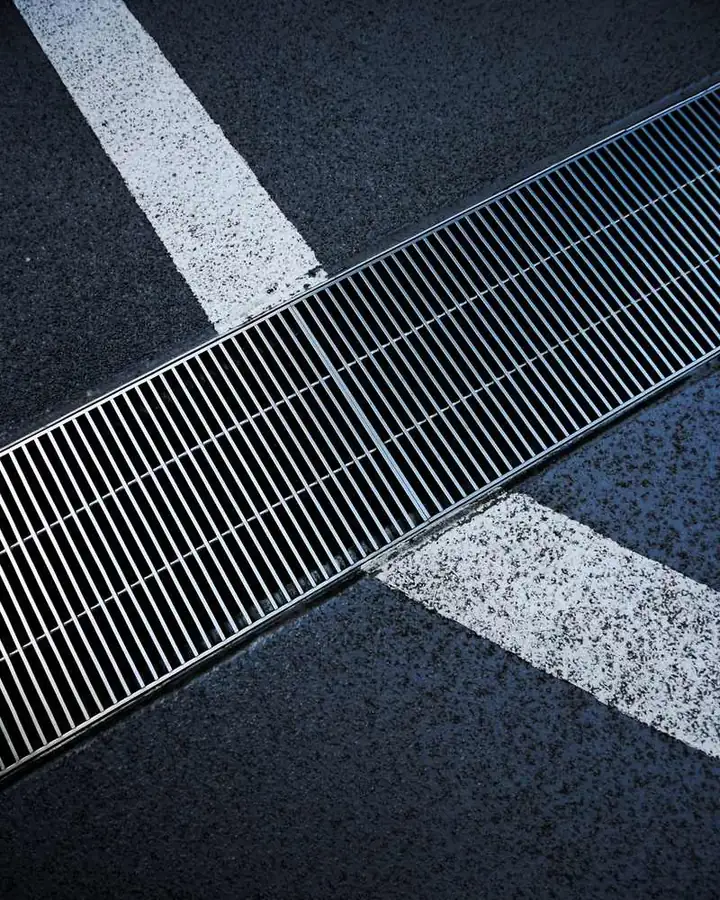
Clearing bathroom, entrance and corridor gullies blocked by sand or hair
Breaking up congealed cooking grease that narrows or fully seals the kitchen line
Removing silted debris that wind deposits and rain then compacts into the gully
Filming the line before and after so the customer sees the difference on screen
Blasting solid deposits and flushing pipe walls with a concentrated water jet
Clearing trap sediment that lets drain odour back into the room when dry
Call or WhatsApp us describing the gully location and symptoms
Inspection camera enters the line to identify the blockage type first
High-pressure water jet breaks the deposit and flushes the pipe walls
Camera runs again while you watch the screen confirming full clearance
Water run confirms free flow and the site is left clean
From the inspection camera
Drag the divider and see the difference.
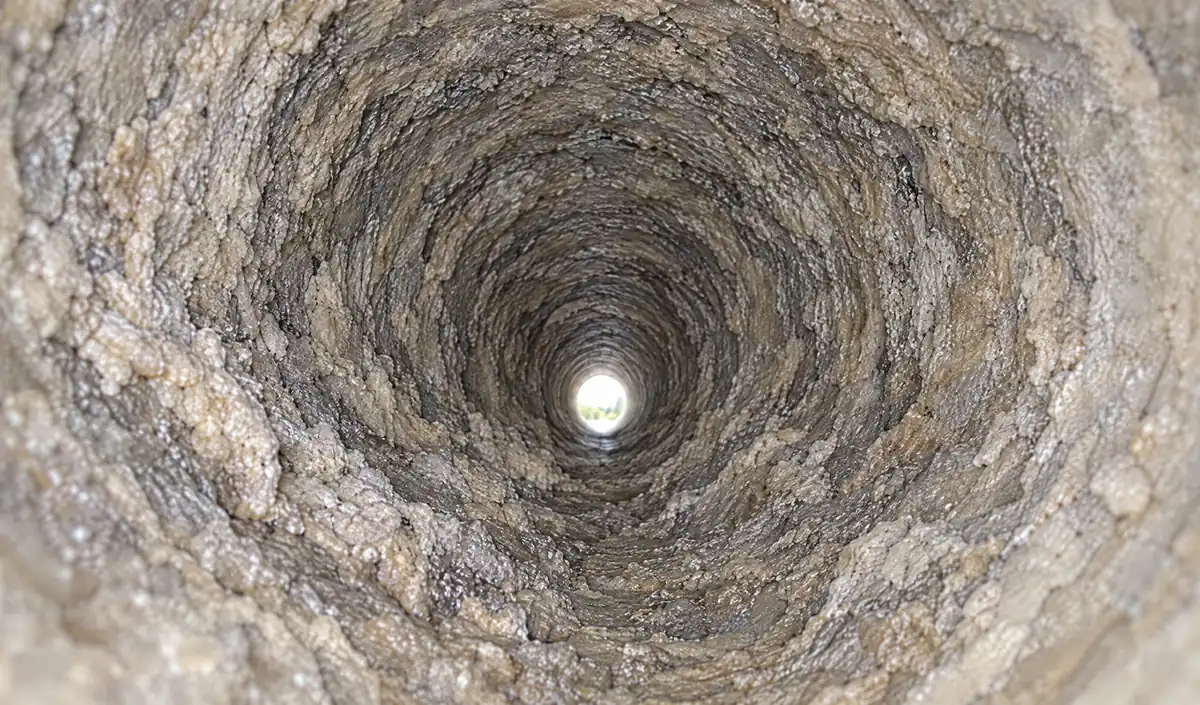
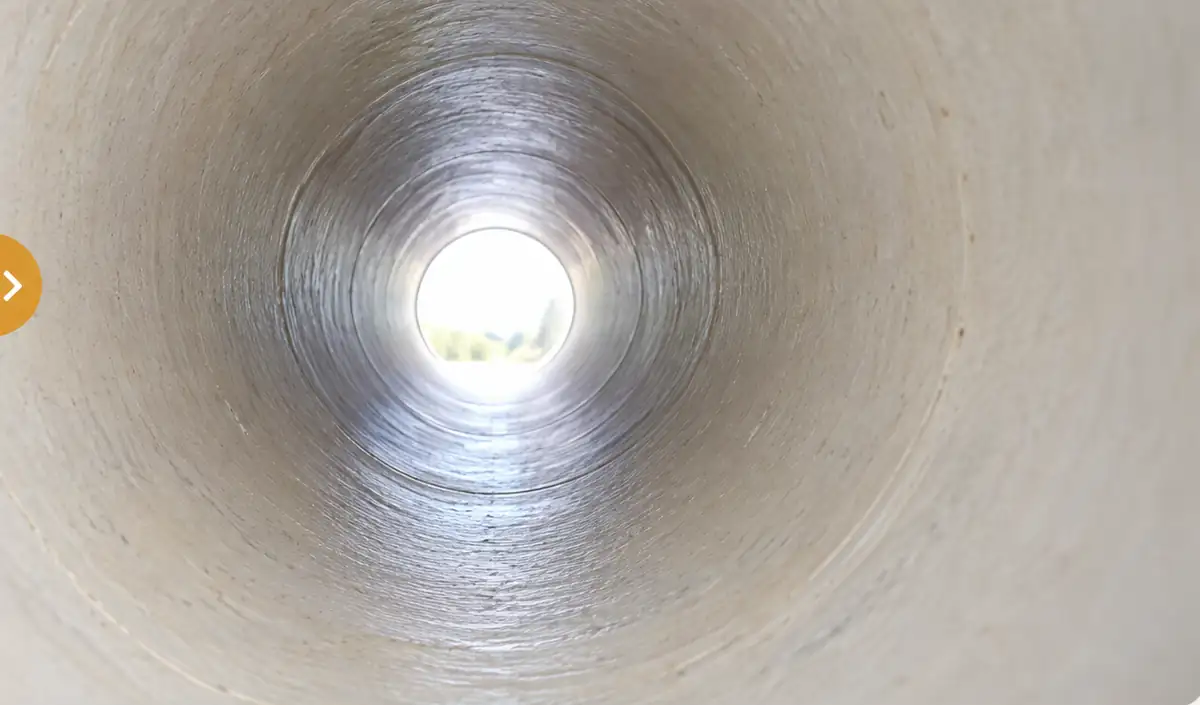
Every job starts with a recording and ends with one. The footage is kept and sent to you.
Water sits on the floor for several minutes after use and drains very slowly
An unused room smells of sewer gas because the trap dried out in the summer heat
Bubbling or gurgling sounds from the gully point to a partial block trapping air
Dark or greasy water rises in the gully when the washing machine or kitchen sink runs
Know whether the gully is in a bathroom, kitchen or on the roof so the right kit is brought
If several gullies drain slowly at once the block is likely in the main line, not one gully
Chemical drain cleaners can react with jetting water and may damage the trap seal
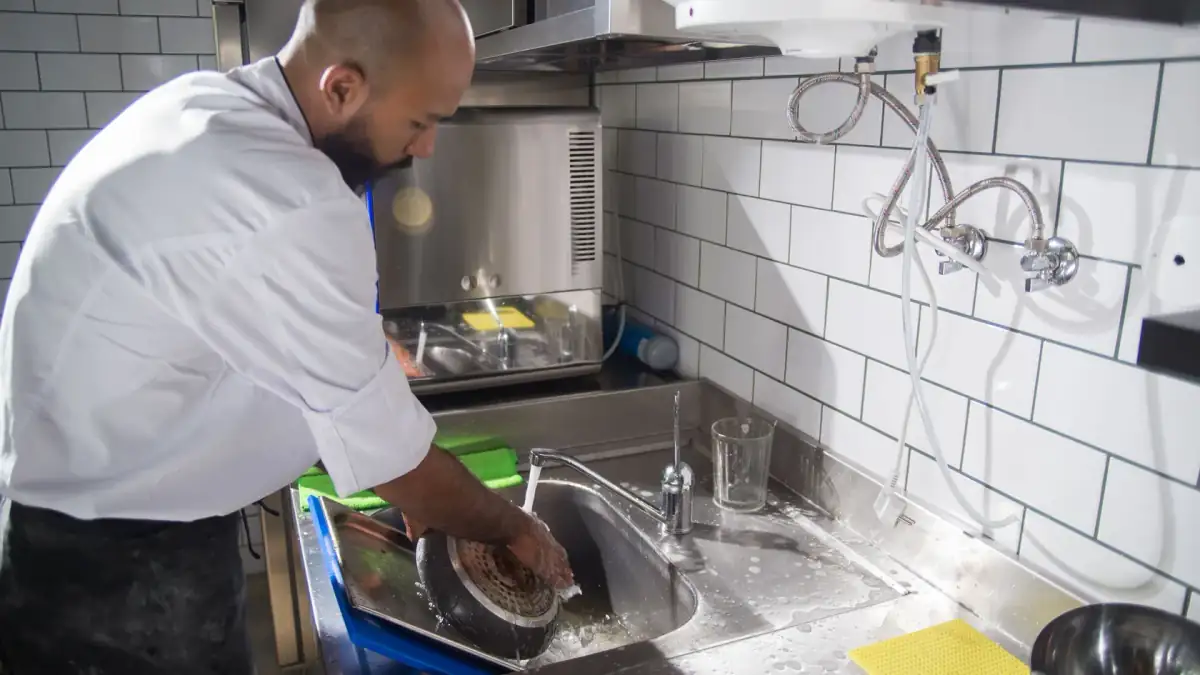
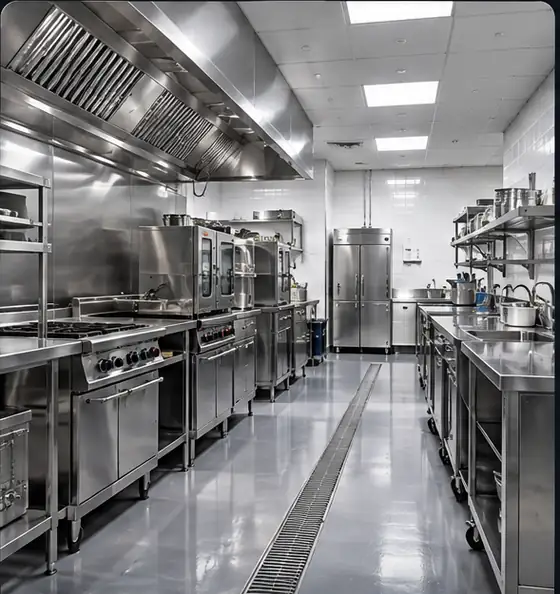
A commercial kitchen carries far more grease than a home kitchen and needs a different approach
Work starts by running a flexible camera into the gully line to read the blockage before touching it. Congealed cooking grease in a Kuwaiti kitchen line behaves differently from fine sand settled in an entrance gully or a hair mass in a bathroom trap, and each type calls for a different nozzle and pressure setting. Reading the camera image first avoids pushing a block further down the line and wasting time working from the wrong direction.
Once the obstruction is located, high-pressure jetting is used to break up the deposit and flush the pipe walls clean rather than simply puncturing the block. If the complaint is sewer smell from an unused room during a Kuwaiti summer, the cause is usually a dry trap rather than a true blockage; refilling the trap with water from a cup solves it immediately with no tools. Knowing the difference before calling prevents an unnecessary visit and helps you describe the problem clearly.
After clearing, the camera is run a second time while the customer watches the monitor, confirming the line is fully open. If the camera shows a crack or displaced joint that is causing recurrent blockages, excavation becomes necessary, but that decision is made on clear visual evidence rather than guesswork. A single gully unblock does not resolve persistent odours if the source is further along the network; seeing the camera footage directly helps the owner understand what the actual problem is and whether further work is needed.
Part of Drain and sewage unclogging · All services · Back to the home page
No fixed rate applies; the quote depends on several factors assessed at the property
Hardened grease demands more effort and time than loose sand or hair
A roof or terrace gully differs in access difficulty from a bathroom floor gully
A long run to a distant room requires more hose length and additional working time
Night and holiday calls are priced differently from standard daytime hours
Full camera inspection of the line adds to the scope compared to a basic unblock
Same method, same equipment. Only the size of the job changes.
Why us
Amana means trust. Someone else’s home is not ours to be careless in.
Do not take our word for it. Look at the line yourself.
Breaking is the last resort, never the first step.
A blocked line does not wait for the morning.
Six governorates, 139 areas.
For buildings and complexes, servicing before the problem starts.
Restaurants, offices and complexes, not only homes.
Six governorates, 139 areas.
Common questions
Need someone now? The emergency line is open any hour.
+965 9668 4964
In most cases yes. Jetting and the camera work through the existing gully opening with no excavation needed. Breaking tiles is only considered when the camera reveals a cracked or displaced pipe, not as a first step.
Cooking oil poured down the drain flows freely when hot but congeals on pipe walls as it cools. Unclogging removes the current block but a greasy wall remains; full-pressure jetting that scrubs the pipe walls rather than just punching through the deposit helps extend the clear period.
Slow draining is the stage before a full block. Clearing it early is faster and simpler than waiting until water overflows the floor. Hair and soap scum build layer by layer and the gully will stop completely if left.
Yes. Sudden winter rain exposes roof gullies that silted up with wind-blown dust through the summer. We cover all Kuwait areas and attend roof and terrace gullies immediately after rain events.
Usually not. Multiple slow gullies at the same time point to a block in the shared collector line rather than each gully separately. The camera identifies the real problem location before any clearing work starts.
Not necessarily. In an unused Kuwaiti room the gully trap dries out in the summer heat and lets sewer gas straight in. Pouring a cup of water down the gully refills the trap and stops the smell immediately. If the smell continues after that, a different problem may be present.