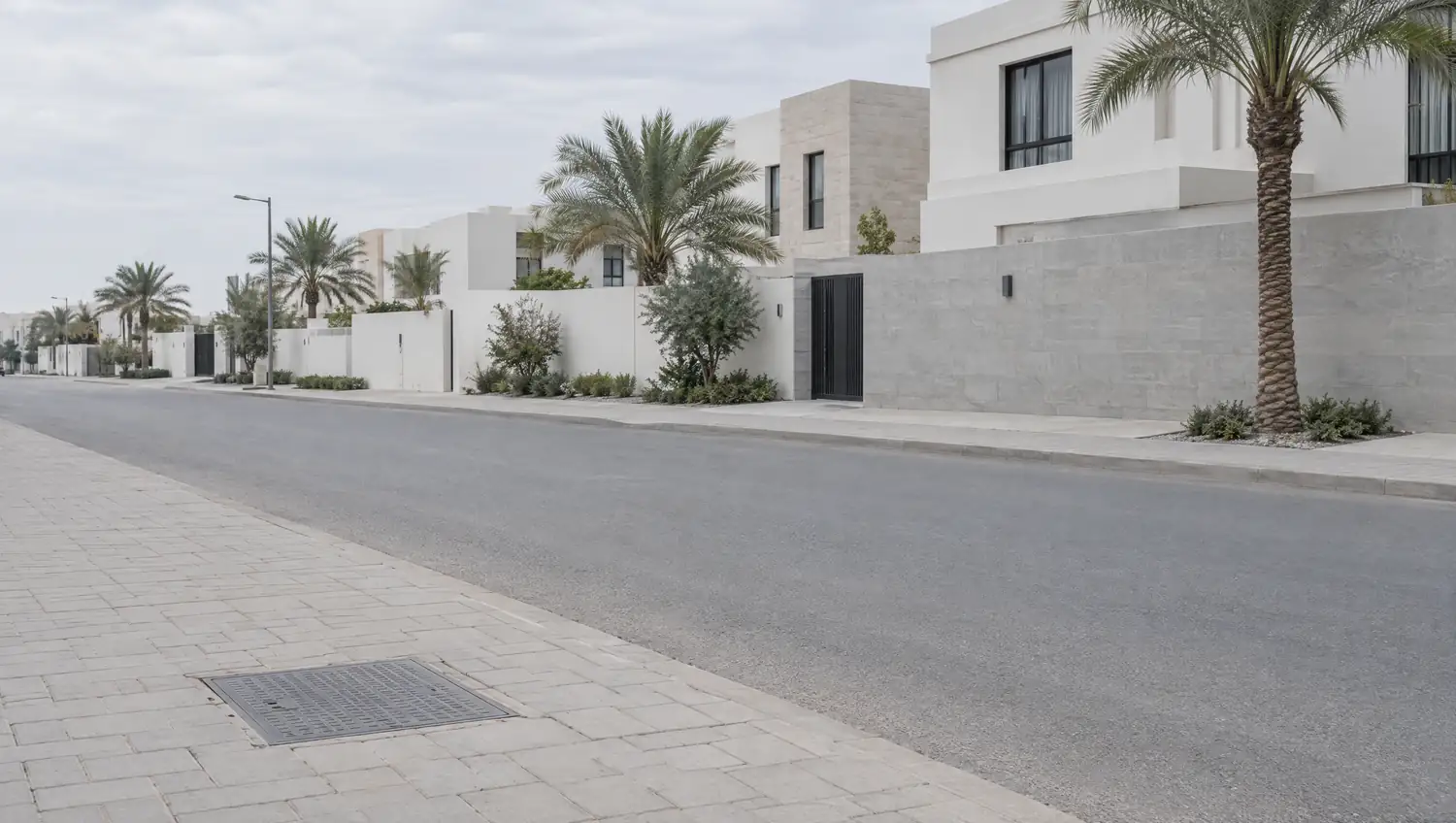
Grease pumping
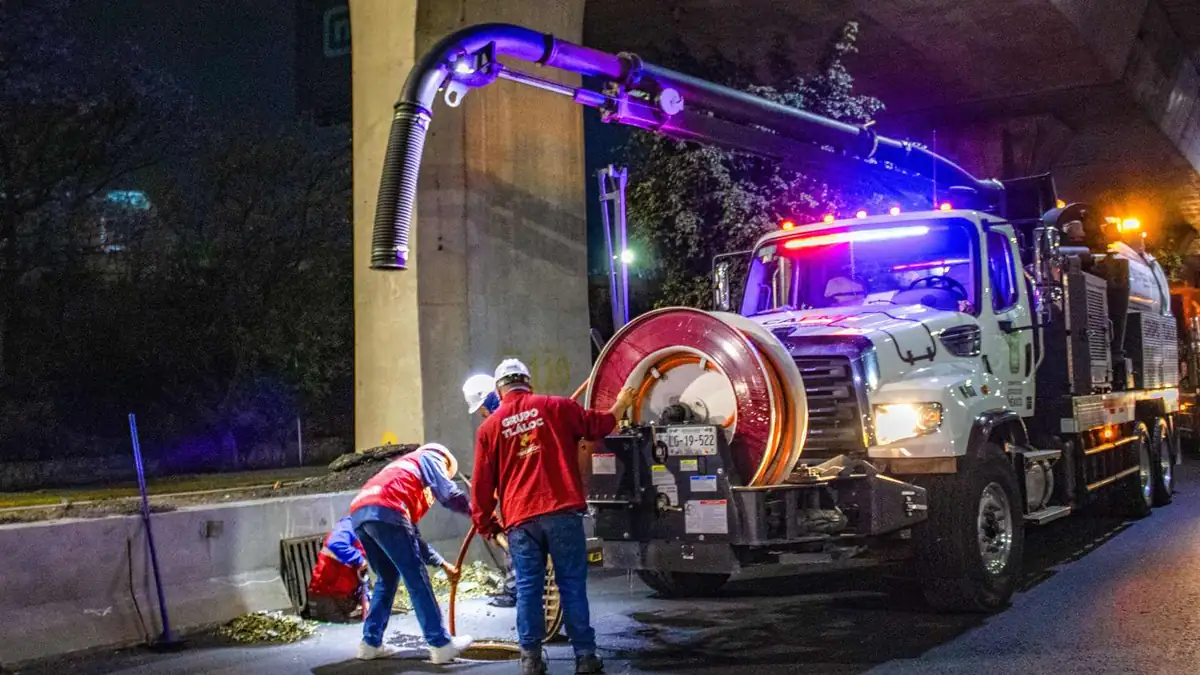
Vacuum pump removes floating grease layer and liquid waste fully
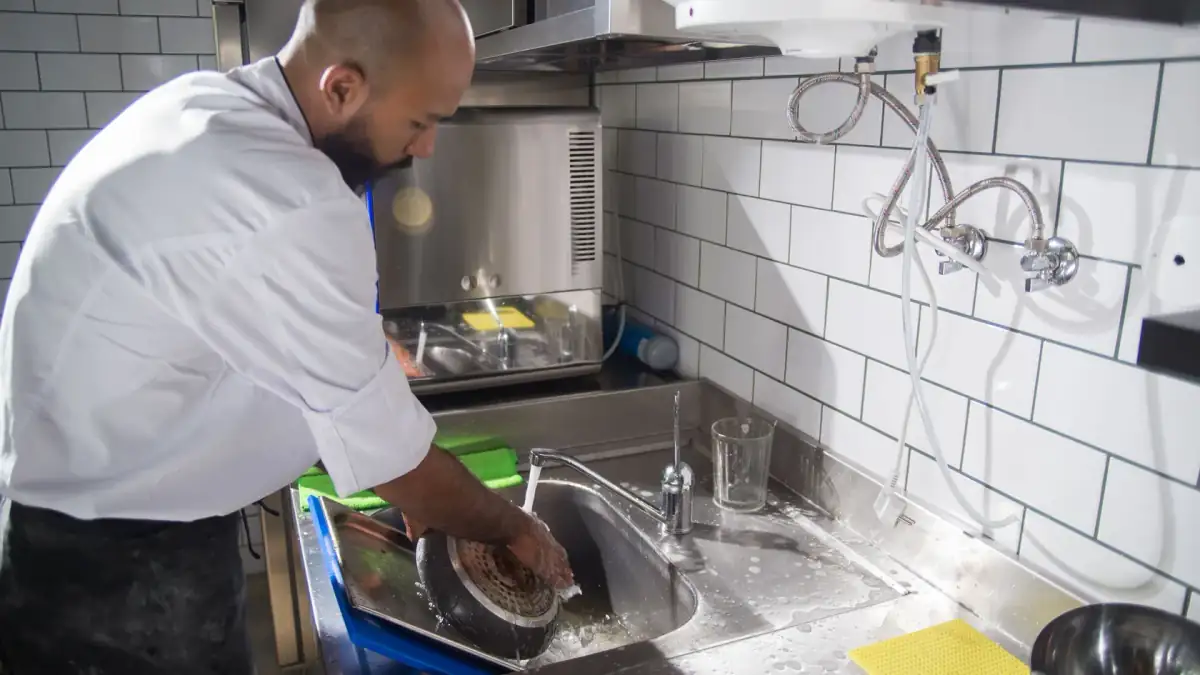
Servicing grease traps and the outlet drain lines connected to them in food-service premises
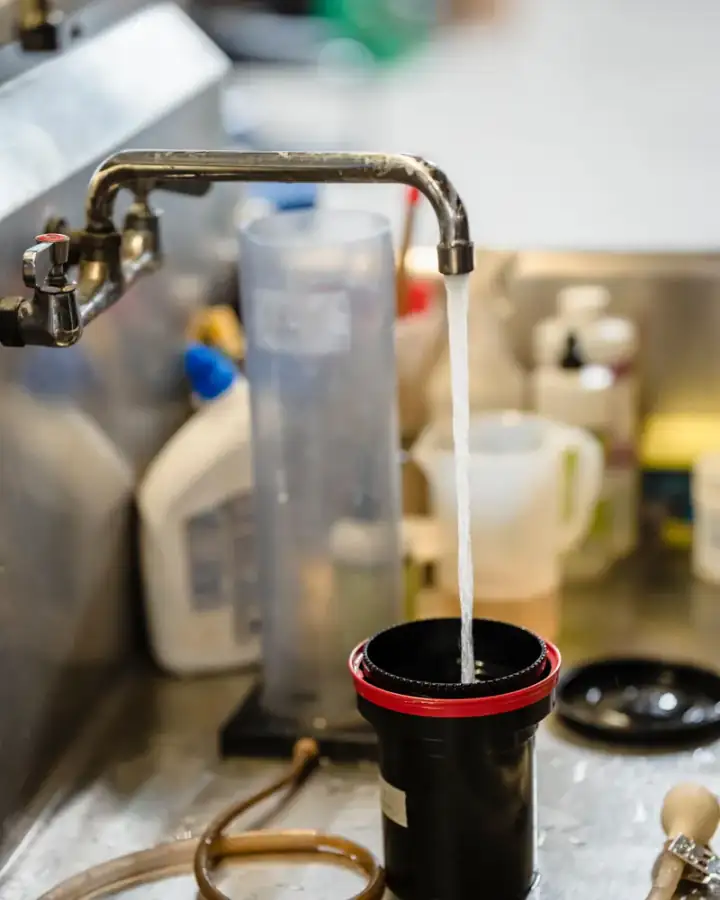
Vacuum pump removes floating grease layer and liquid waste fully
Caked sludge scraped from trap floor and walls, not left behind
Pressure jet clears residual grease from interior walls and outlet pipe
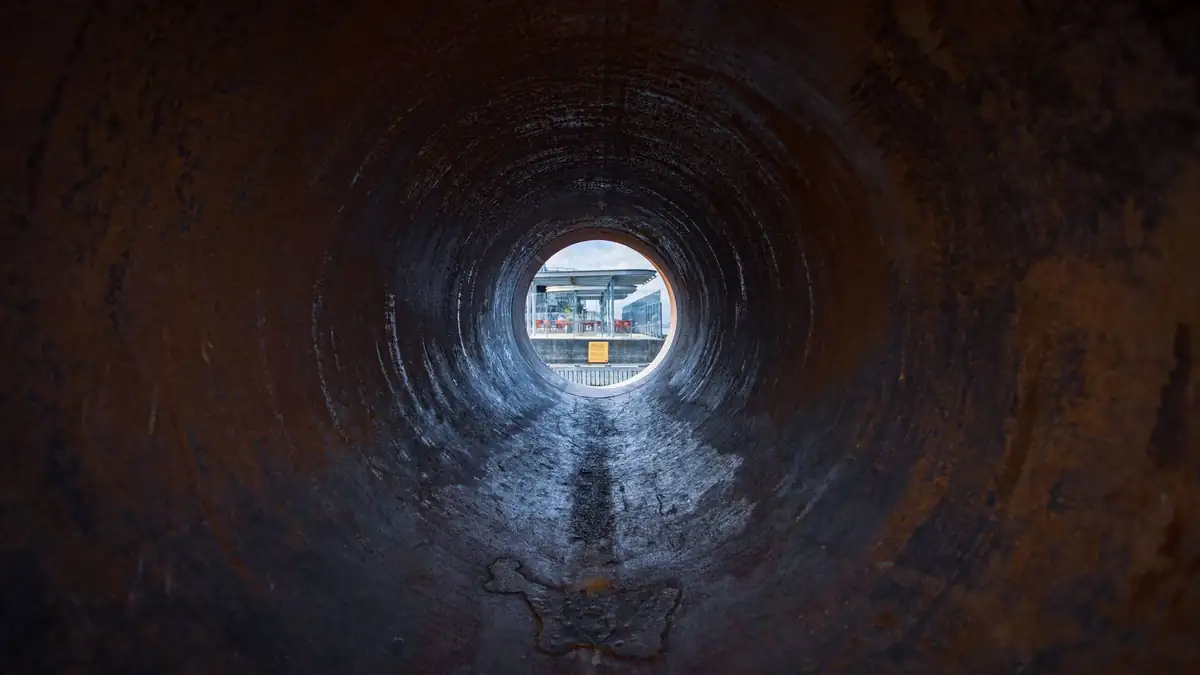
In-line camera checks the drain beyond the trap is fully clear
Internal baffles and lid seal checked; faulty parts reported to owner
Covers restaurants, central kitchens, food courts, cafes and catering units
Describe kitchen size, trap type and last servicing date
Camera films trap interior and outlet line before any work starts
Vacuum grease and sludge, scrape walls, jet with high pressure
Second camera pass on screen confirms outlet line is clear
Baffle condition reported and next recommended service interval noted
From the inspection camera
Drag the divider and see the difference.
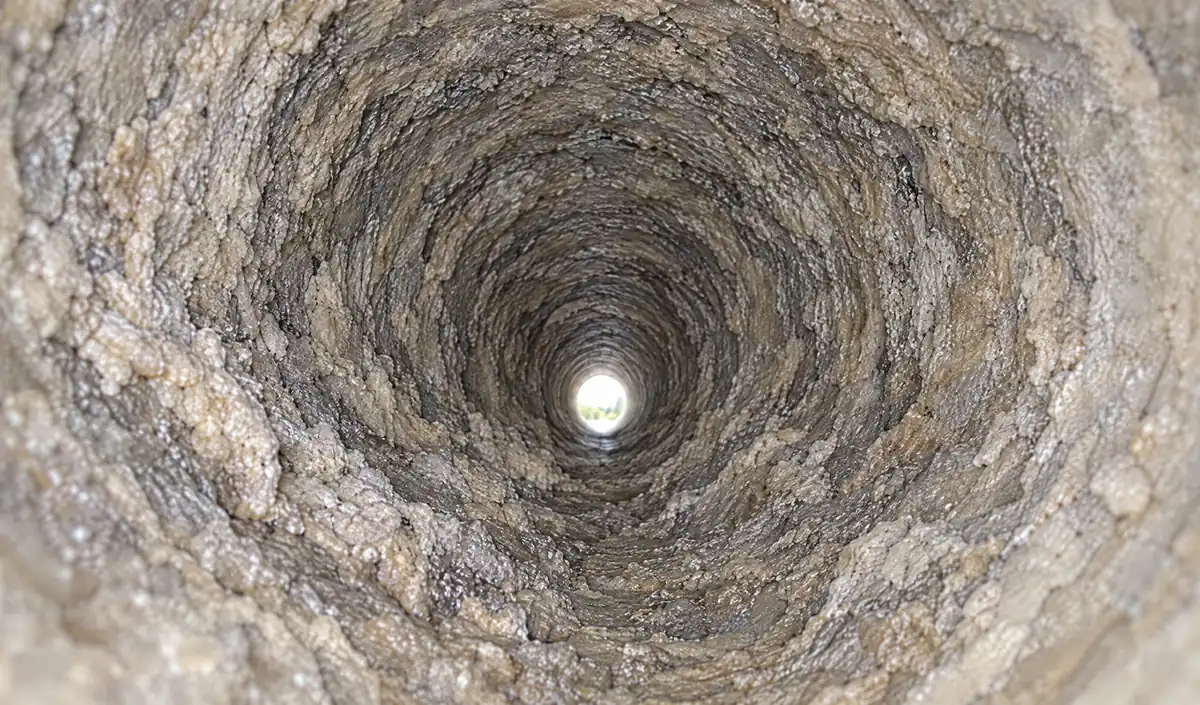
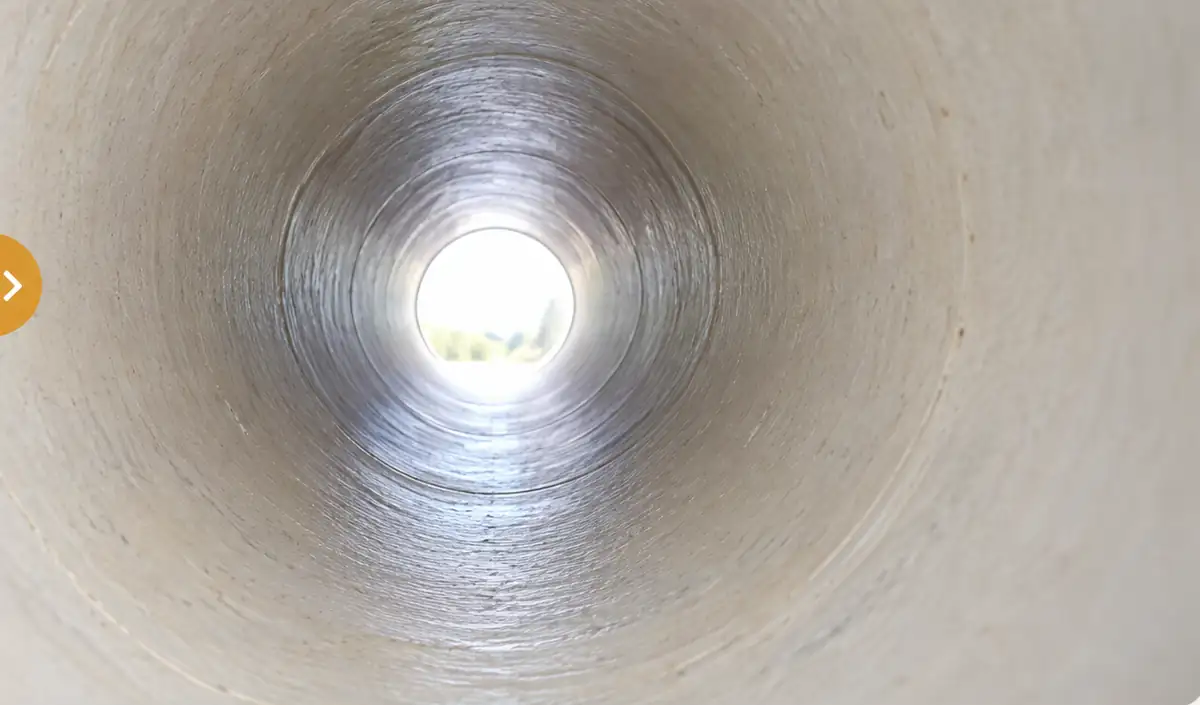
Every job starts with a recording and ends with one. The footage is kept and sent to you.
Draws liquid grease and sludge together without spillage or odour spreading into the kitchen
Strips congealed grease from interior walls and the outlet drain line after pumping
Films the outlet drain before and after so the owner sees the result on screen
Removes caked sludge from corners and the trap floor that suction alone cannot reach
Leaving floor sludge behind blocks the outlet line again within days
Cleaning the trap without checking the outlet line leaves grease build-up downstream
Hot water melts grease temporarily; it re-solidifies further along the drain pipe
A busy kitchen without a regular schedule overflows grease into the public sewer network
A commercial kitchen grease trap receives heavy oil and fat loads every day. Grease floats and solidifies against the walls while solids settle on the floor. Correct servicing starts with a camera pass along the outlet drain to see how far grease has reached beyond the trap itself. The crew then vacuums both the floating layer and the floor sludge, scrapes the walls manually, and follows with a high-pressure water jet to clear residual film from every surface.
After cleaning, the camera makes a second pass through the outlet line while the owner watches the same screen. If the camera shows grease deposits further along the drain, the crew jets that section in the same visit. The internal baffles are also checked because a broken baffle lets grease pass straight through without settling, which accelerates blockages downstream and defeats the purpose of having the trap at all.
How often a trap needs servicing depends on kitchen volume, operating hours and cooking method. A kitchen that fries heavily fills a trap much faster than one focused on grilling. Waiting until odour appears or the drain backs up means grease has already reached the pipe network beyond the property boundary, which is harder to clear. A regular service interval keeps the trap within its working capacity and protects the wider drain system from accumulation.
Part of Drain and sewage unclogging · All services · Back to the home page
Several factors shape the quote; no fixed rate applies to every job
Larger trap requires more pumping time and greater suction capacity
Hardened old deposits take significantly more effort than routine maintenance
A grease-affected outlet drain beyond the trap needs an additional jetting pass
All 6 governorates and 139 areas covered, including distant locations
Night calls, weekends and public holidays carry a different rate
Same method, same equipment. Only the size of the job changes.
Why us
Amana means trust. Someone else’s home is not ours to be careless in.
Do not take our word for it. Look at the line yourself.
Breaking is the last resort, never the first step.
A blocked line does not wait for the morning.
Six governorates, 139 areas.
For buildings and complexes, servicing before the problem starts.
Restaurants, offices and complexes, not only homes.
Six governorates, 139 areas.
Common questions
Need someone now? The emergency line is open any hour.
+965 9668 4964
Strong odour from the drain, slow sink drainage or water backing up are the clearest signs. The better approach is regular servicing before these appear, because a full trap pushes grease into the outlet line before any visible symptom shows.
Servicing during a quiet period or before a shift starts is preferable because pumping and scraping release temporary odour. For emergency blockages, the crew attends at any hour regardless of operating status.
Baffle inspection is part of every standard visit. A broken baffle lets grease bypass the trap entirely, making the cleaning pointless. Any fault found is reported to the owner immediately during the same visit.
Yes. A commercial trap is larger and receives far higher oil and solid loads. It requires more powerful suction equipment and more thorough manual scraping. Outlet line inspection matters more here because the volume of grease that can escape into the drain is significantly greater.
Yes, a scheduled cleaning interval can be arranged based on kitchen volume and cooking type. A fixed schedule protects the drain line and prevents sudden blockages that shut the kitchen down at the worst possible moment.
If the odour source is grease build-up inside the trap, yes. If smell persists after cleaning, the cause may be a grease deposit further along the drain, a broken baffle or a dry trap. A camera check identifies the exact source.