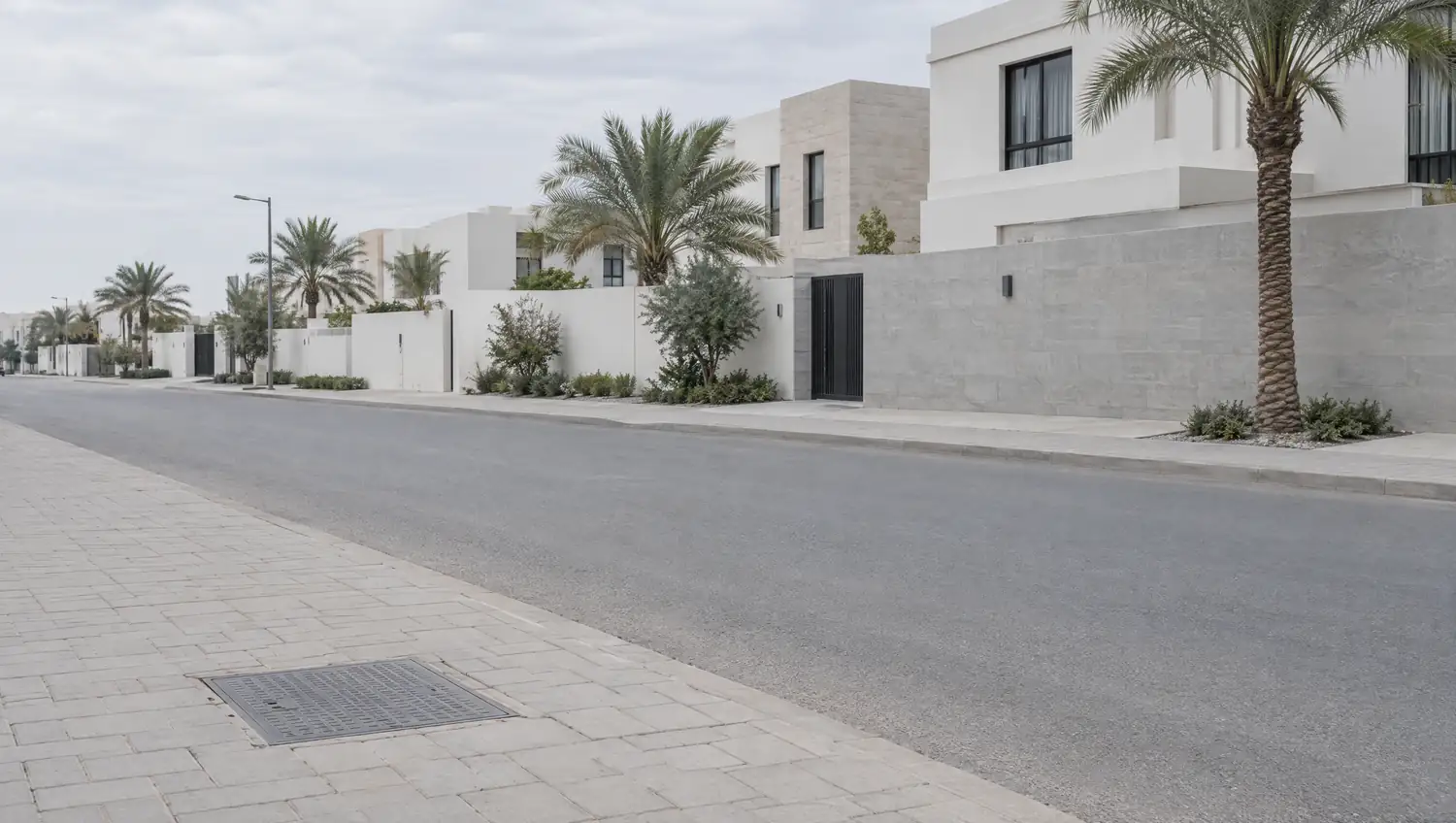
Blocked outlet clearing
Removing sand and silt blocking storm-water outlet pipes
Drain and sewage unclogging
A camera reads the silt load before work starts, high-pressure jetting clears the outlet, and a second camera pass confirms the line is open
Clearing, cleaning and designing storm-water lines for homes, complexes and commercial properties
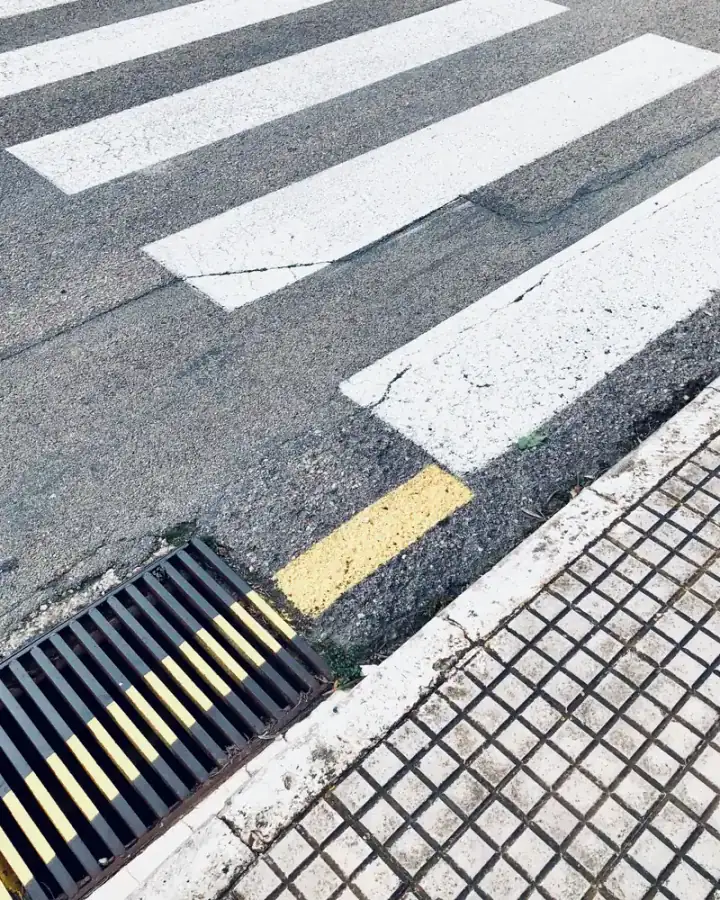
Removing sand and silt blocking storm-water outlet pipes
Water jet cuts through compacted sand and dried silt inside the line
Internal filming before and after so the clear result is confirmed
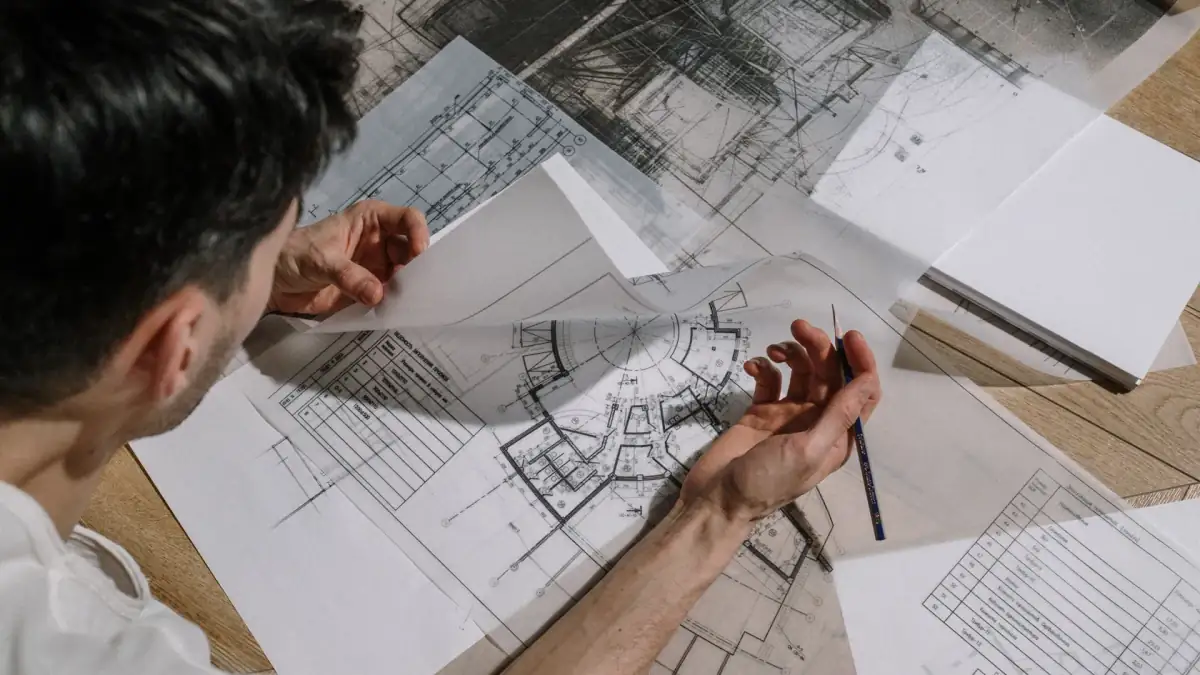
New network laid to correct falls for the property footprint
Emptying and cleaning collection sumps and linked floor gullies
Pre-season visits to keep storm lines clear before rain arrives
Tell us your location and where water is pooling
Camera films the line to show the silt load before work starts
High pressure clears the line and suction removes loosened sand immediately
Second camera pass shows the owner on screen the line is clear
Cover is closed and the site is left clean after completion
From the inspection camera
Drag the divider and see the difference.
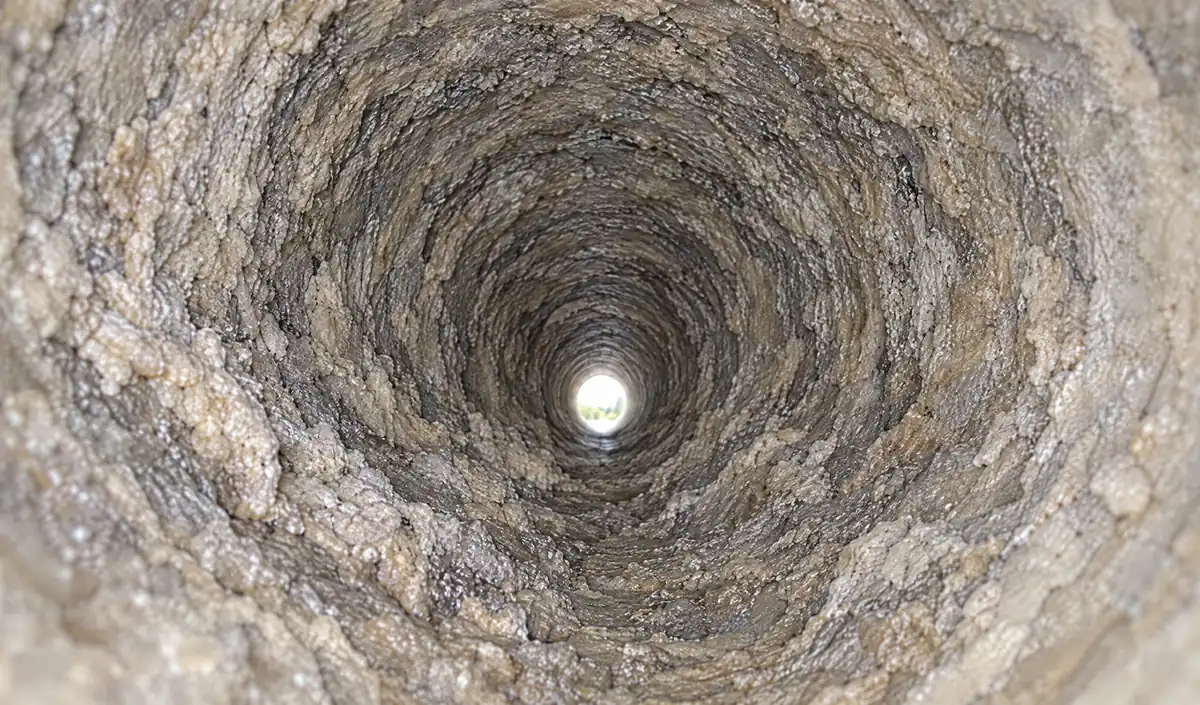
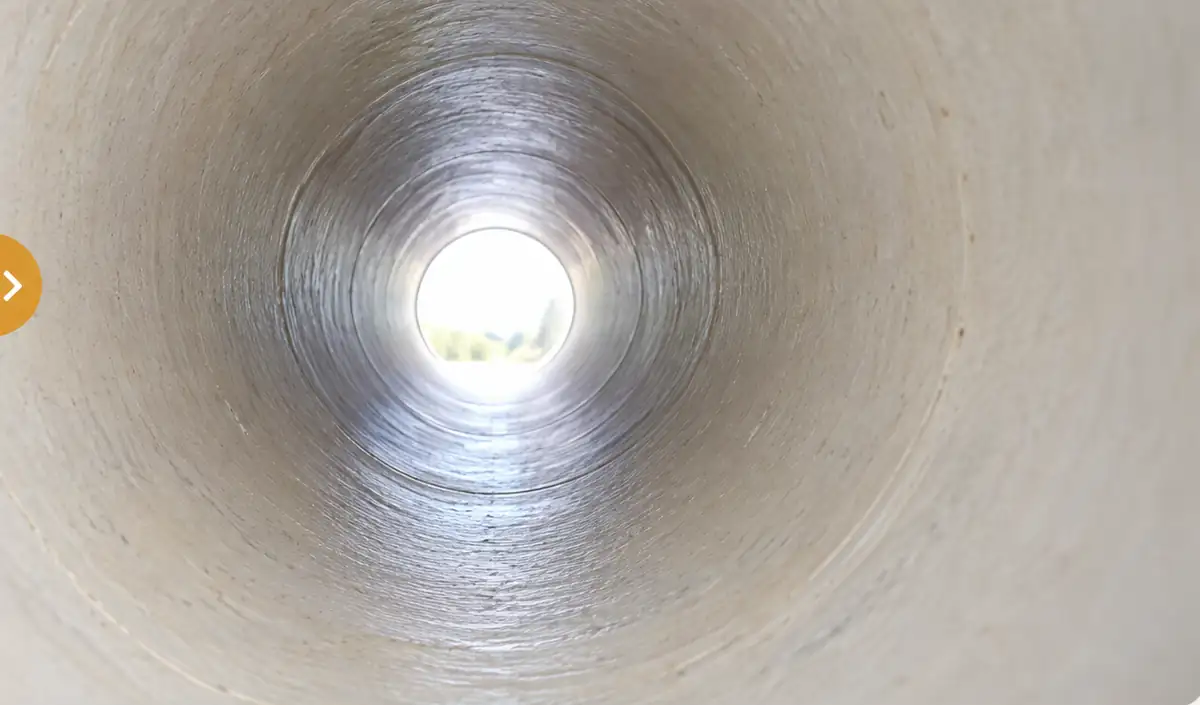
Every job starts with a recording and ends with one. The footage is kept and sent to you.
Breaks compacted sand and dried silt that rods and snakes cannot shift
Cleans the full pipe wall, not just the centre, slowing re-silting
Enters the line before and after work to document the silt load and confirm clearance
Vacuums loosened sand and silt immediately so it does not resettle downstream
Find the storm-drain cover in the driveway, roof or external yard before we arrive
Whether the network is old or recent and whether it has been cleared before
Note exactly where rain water pools: roof, driveway, garden or against a wall
Check whether the cover is buried under paving or can be opened without breaking tiles
Kuwait receives rainfall in short, intense bursts, and between seasons fine sand settles inside storm-water lines and gradually narrows them. When heavy rain finally arrives, a silted line cannot carry the volume and water backs up across the driveway, roof or yard. A camera pass before any work starts reveals how thick the deposit is and how far it extends, so the right method is chosen rather than guessed.
High-pressure jetting is the right tool for compacted sand because hand rods open only a narrow channel and leave deposits on the pipe wall. A rotating nozzle works the full circumference, which slows re-silting. After jetting, a combined suction unit pulls loosened sand and silt out immediately before it can resettle further along the line. A second camera pass then lets the owner see on the screen that the pipe wall is clear.
When the problem returns after clearing, the cause is often the network design itself: a line laid without enough fall lets sand settle instead of being flushed through. Storm-drain network design fixes this at the root, with joints sealed properly and the line camera-checked before backfilling. Complexes and commercial buildings benefit from a scheduled pre-season maintenance visit so no line is caught blocked when rain arrives.
Part of Drain and sewage unclogging · All services · Back to the home page
No fixed rate applies because several site-specific factors shape the final quote
Longer or deeper lines take more jetting time and camera passes
Heavy compacted sand takes longer to clear than a light silt layer
A buried or blocked cover adds preparation time before jetting starts
Designing and laying a new network differs entirely from clearing an existing one
Emergency calls during rain season differ from a pre-scheduled maintenance visit
Same method, same equipment. Only the size of the job changes.


Why us
Amana means trust. Someone else’s home is not ours to be careless in.
Do not take our word for it. Look at the line yourself.
Breaking is the last resort, never the first step.
A blocked line does not wait for the morning.
Six governorates, 139 areas.
For buildings and complexes, servicing before the problem starts.
Restaurants, offices and complexes, not only homes.
Six governorates, 139 areas.
Common questions
Need someone now? The emergency line is open any hour.
+965 9668 4964
In areas where sand accumulates quickly, a line cleaned once will narrow again before the next rain season. A pre-winter maintenance visit is the practical solution for complexes and commercial properties.
The blockage is usually below the visible opening, where fine sand has built up on the pipe walls and narrowed the cross-section. The camera shows exactly where the restriction starts.
It depends on the network length and number of drain lines. We assess the scope when you call and confirm whether one visit covers it or whether staged work is needed.
We carry out the design and installation correctly and document it with a camera. Any formal approval requirements depend on the nature of the project and property type.
The camera reveals the pipe condition before jetting starts. If cracks or displacement are visible, we adjust the method based on what the image shows, not on guesswork.
Yes, the storm-water network is separate and carries only rainwater. Blockages in it come mainly from sand and silt rather than grease or organic matter, which shapes the cleaning method.