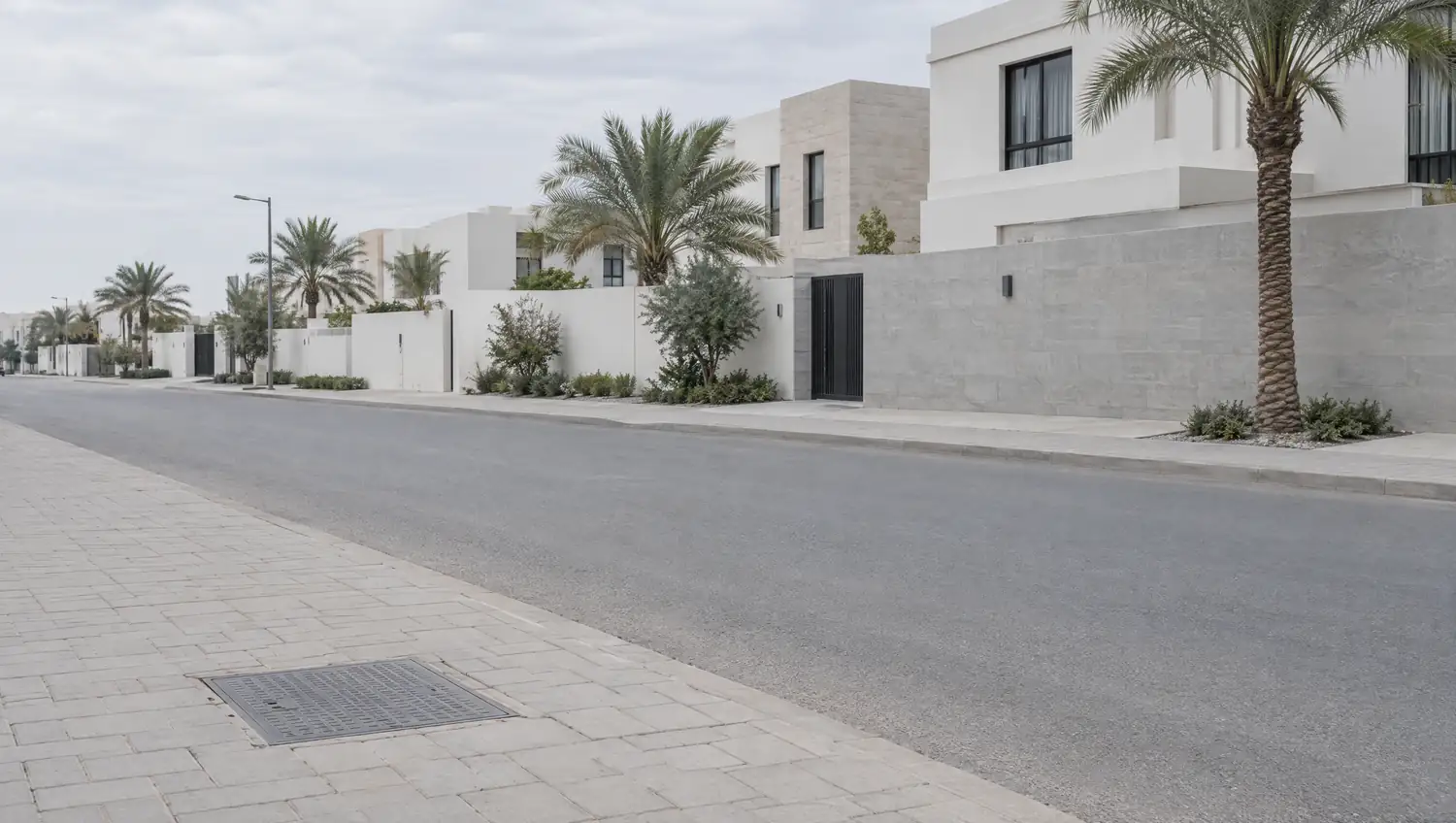
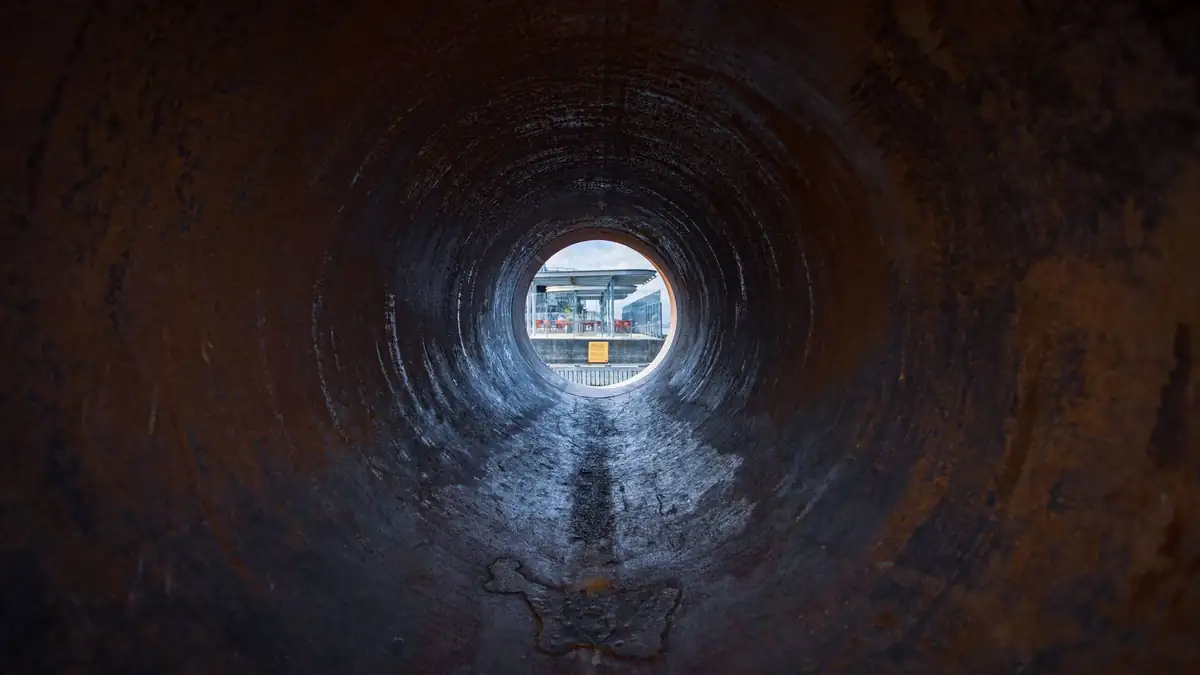
Pre-fit camera check
Line condition and diameter confirmed before valve position is chosen
Drain and sewage unclogging
The right valve, fitted to the right line, at the right point, confirmed working by camera before we leave your property
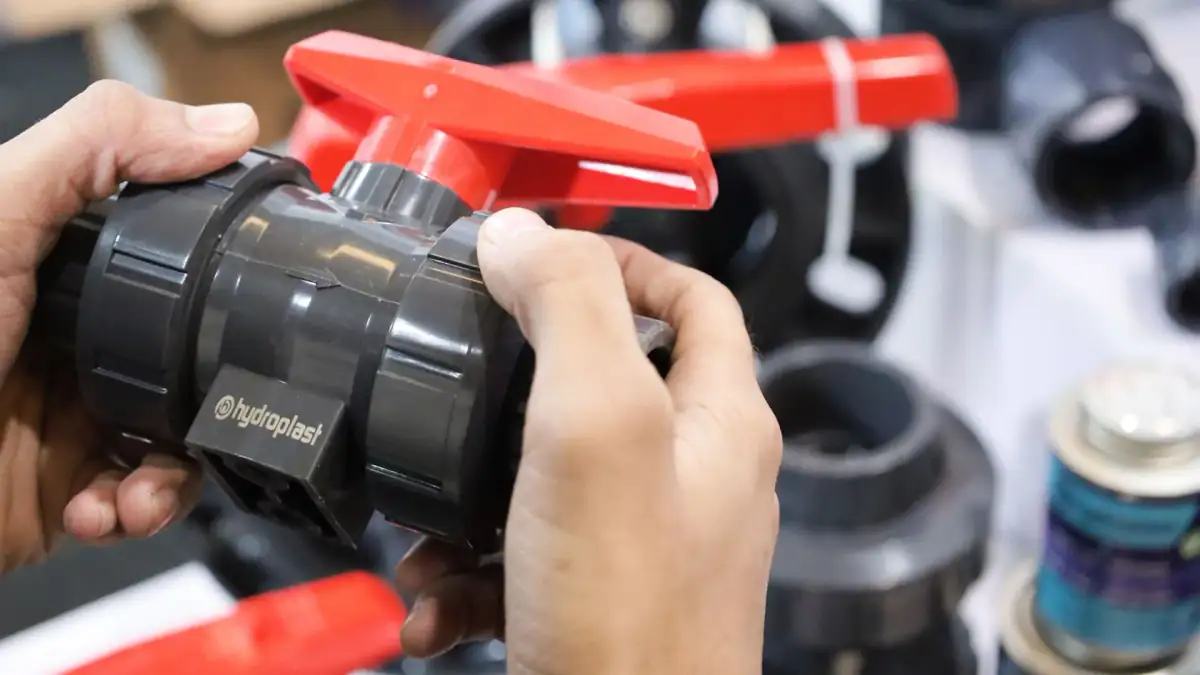
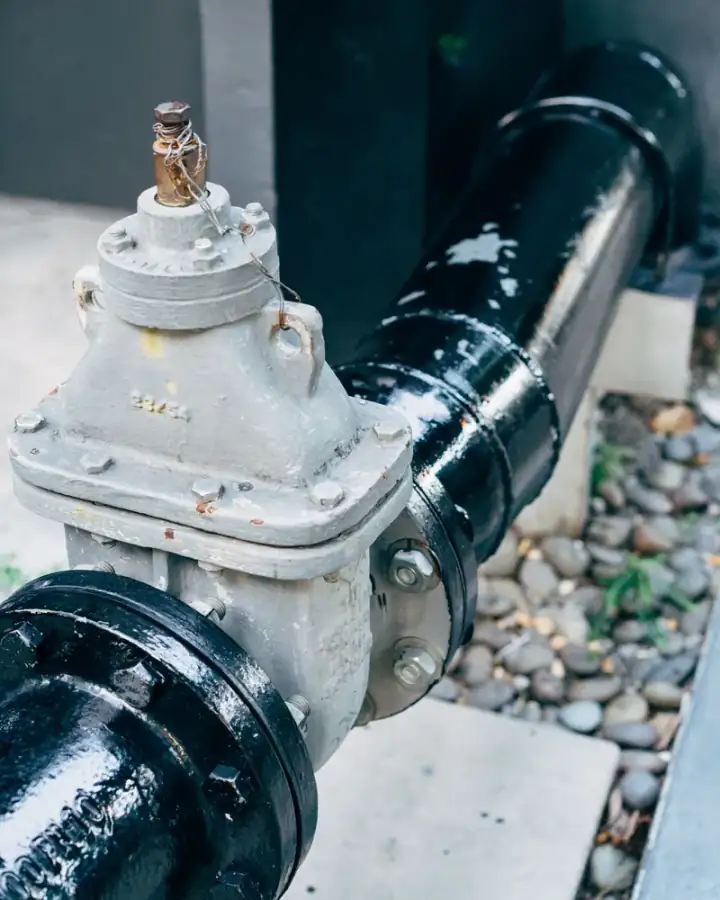
Backflow valve work from first camera check through to confirmed closure and flow test
Line condition and diameter confirmed before valve position is chosen
Closest viable point to the public sewer for maximum protection
Valve set into the line without unnecessary tile breaking
Flap mechanism tested in both directions before the line is reconnected
Line filmed again to confirm valve seating and unobstructed flow channel
Correct siting verified relative to cesspit or inspection chamber position
Describe drainage type and reason for the valve to schedule the visit
Line filmed first; valve position and access method confirmed
Access opened and valve set into the line at the confirmed point
Flap tested and line filmed again; customer views the same screen
Maintenance interval explained and the job handed over complete
From the inspection camera
Drag the divider and see the difference.
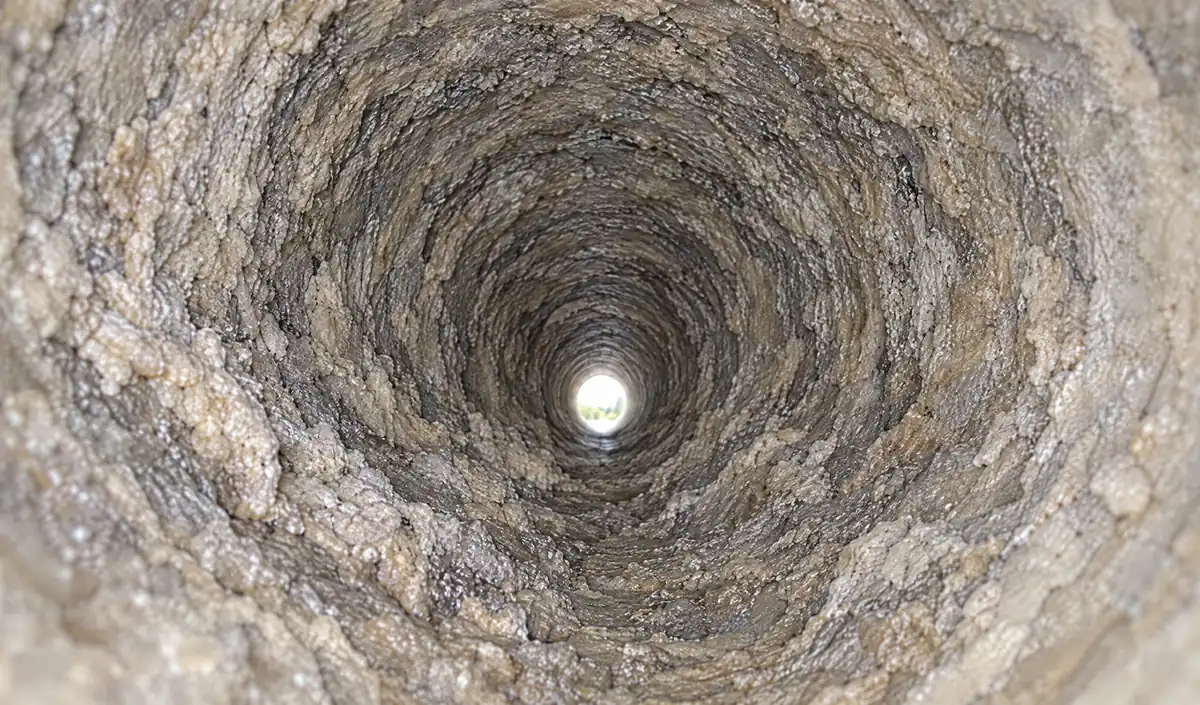
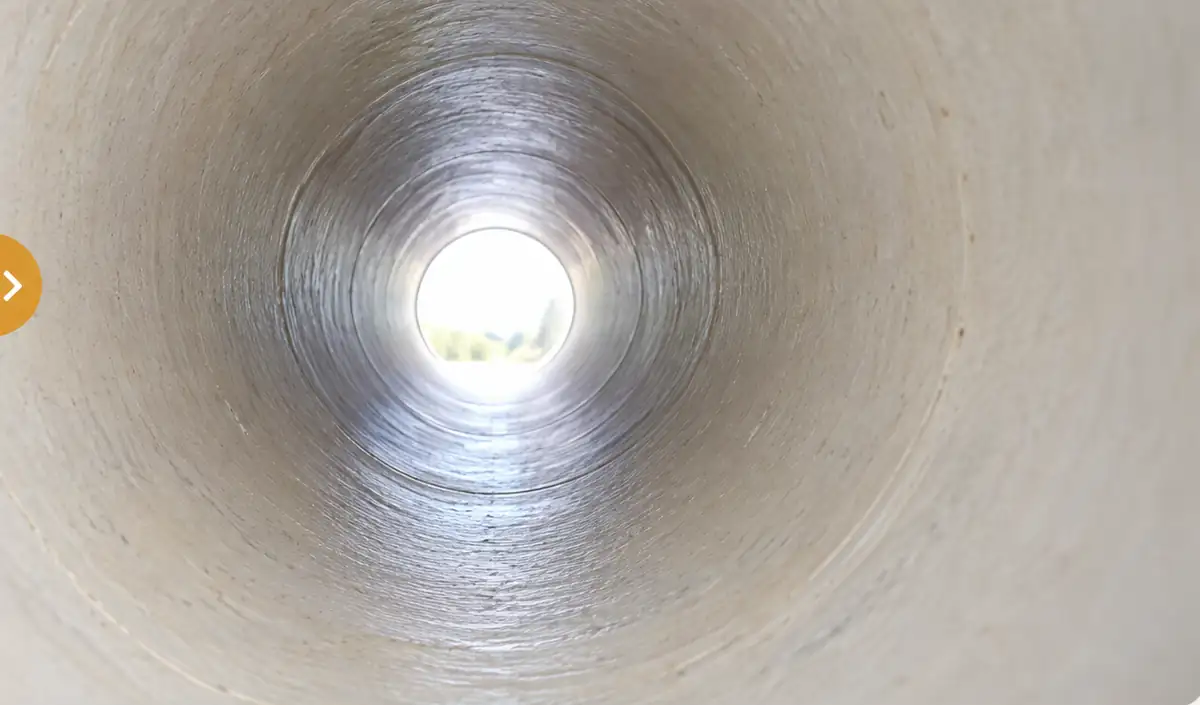
Every job starts with a recording and ends with one. The footage is kept and sent to you.
A valve placed downstream of the blockage point gives the property no protection at all
A mismatched valve restricts normal flow and fails earlier than it should
Opening the floor without a camera pass risks cutting the wrong spot or cracking the line
Grease and sediment collect inside the flap housing and seize the valve shut or open over time
Draining to a cesspit or a public sewer changes where the valve must be placed
An actual backflow event or precautionary fitting each calls for different inspection steps
Know where your inspection chamber or cesspit access is and confirm it can be opened
Tell us if the floor was ever opened for pipe repair as the line route may have changed
The installation starts with a camera run through the drain line before any cutting or access work. The footage shows pipe diameter, condition and exact routing, which are the only reliable basis for choosing where the valve goes. Placing the valve at the wrong point, such as on the wrong branch or inside a section that does not carry the backflow risk, leaves the property unprotected. The camera also determines whether breaking the floor is necessary at all or whether the valve can be set through an existing inspection chamber or clean-out access.
Kuwait properties drain either to a cesspit or to the public sewer, and that difference changes the entire logic of the installation. In cesspit properties the priority is stopping the pit contents from reversing back toward the building when the pit fills suddenly. In properties connected to the public network the risk comes from pressure building in the shared line during heavy winter rain or a main line blockage elsewhere. Identifying the drainage type before the job is specified is not a formality; it directly sets the valve specification and siting.
After the valve is fitted the line is filmed again by camera. The customer watches the same screen as the technician and sees the valve seated correctly, the flap mechanism moving freely and the flow channel unobstructed. That second camera pass is the only reliable record of the finished work. The valve also needs periodic inspection to clear grease and sediment from inside the flap housing because kitchen drain lines in Kuwait carry a high oil load and build up deposits quickly, which can eventually hold the flap open or fuse it shut.
Part of Drain and sewage unclogging · All services · Back to the home page
No fixed price list applies; the following factors shape the actual quote for your job
A nearby clean-out or chamber reduces the need to break the floor
Larger or deep-buried pipes need heavier valves and more access work
Public sewer or cesspit drainage sets the required valve specification
When breaking is unavoidable, patch size and tile count add to cost
Night and holiday calls differ in rate from a pre-scheduled fitting visit
Same method, same equipment. Only the size of the job changes.
Why us
Amana means trust. Someone else’s home is not ours to be careless in.
Do not take our word for it. Look at the line yourself.
Breaking is the last resort, never the first step.
A blocked line does not wait for the morning.
Six governorates, 139 areas.
For buildings and complexes, servicing before the problem starts.
Restaurants, offices and complexes, not only homes.
Six governorates, 139 areas.
Common questions
Need someone now? The emergency line is open any hour.
+965 9668 4964
If the property has experienced even one backflow event, drains to a cesspit with no regular emptying schedule, or sits on a line known to back up during winter rain, a backflow valve is a practical safeguard. Waiting for a second event risks more damage than the installation costs.
In many cases yes, if an inspection chamber or cesspit access is close enough to reach the target point on the line. The pre-installation camera run is what determines that; guessing leads to unnecessary cutting.
A correctly specified and properly seated valve does not impede normal flow. The flap opens under the weight of the outgoing flow and closes only when pressure reverses. Restriction only happens when the valve diameter does not match the pipe or the fitting angle is wrong.
It depends on the grease and sediment load the line carries. Kitchen and restaurant lines need more frequent checks than bathroom drain valves. A valve that is never inspected can accumulate enough deposit inside the housing to prevent it from closing when it is needed.
No. The valve prevents contents from reversing into the building if the pit fills suddenly, but it does not empty the pit. A full cesspit will stop the building's drainage regardless of the valve, and regular tanker suction is still the only solution to that.
Yes. Restaurant and commercial kitchen lines carry a high grease load and face a greater backflow risk than most residential lines. We reach all governorates and areas across Kuwait for both the installation and the follow-up servicing.