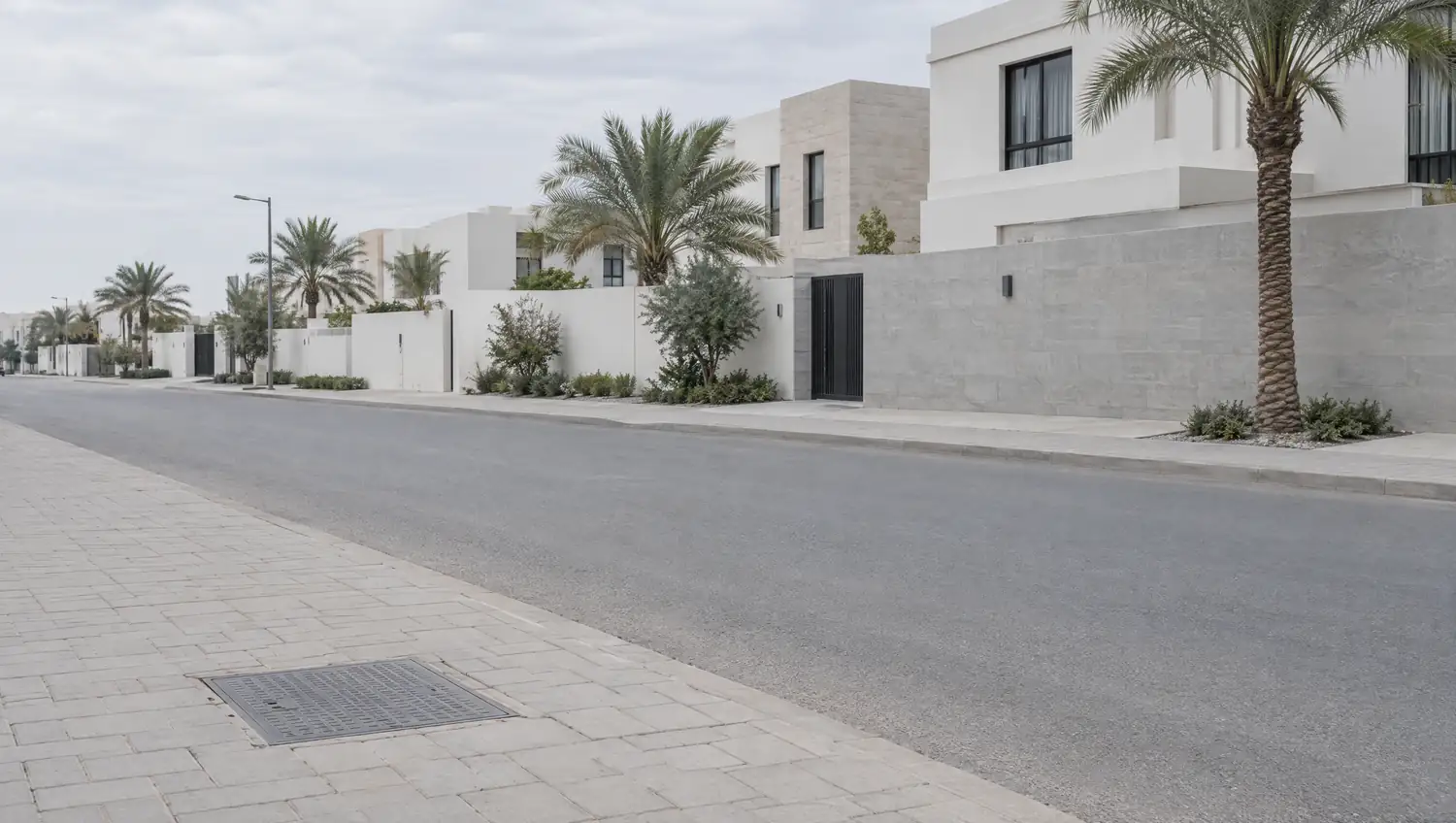
Municipal tie-in
connecting the property drain to the public sewer at the correct entry point
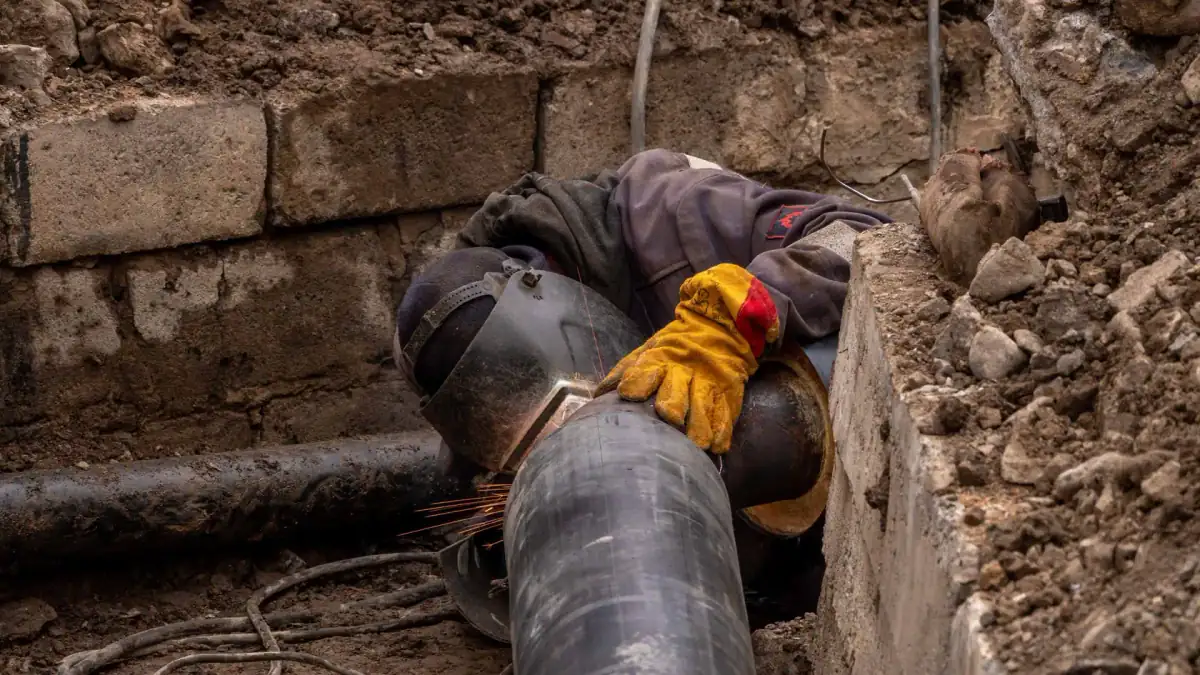
Sewerage contracting
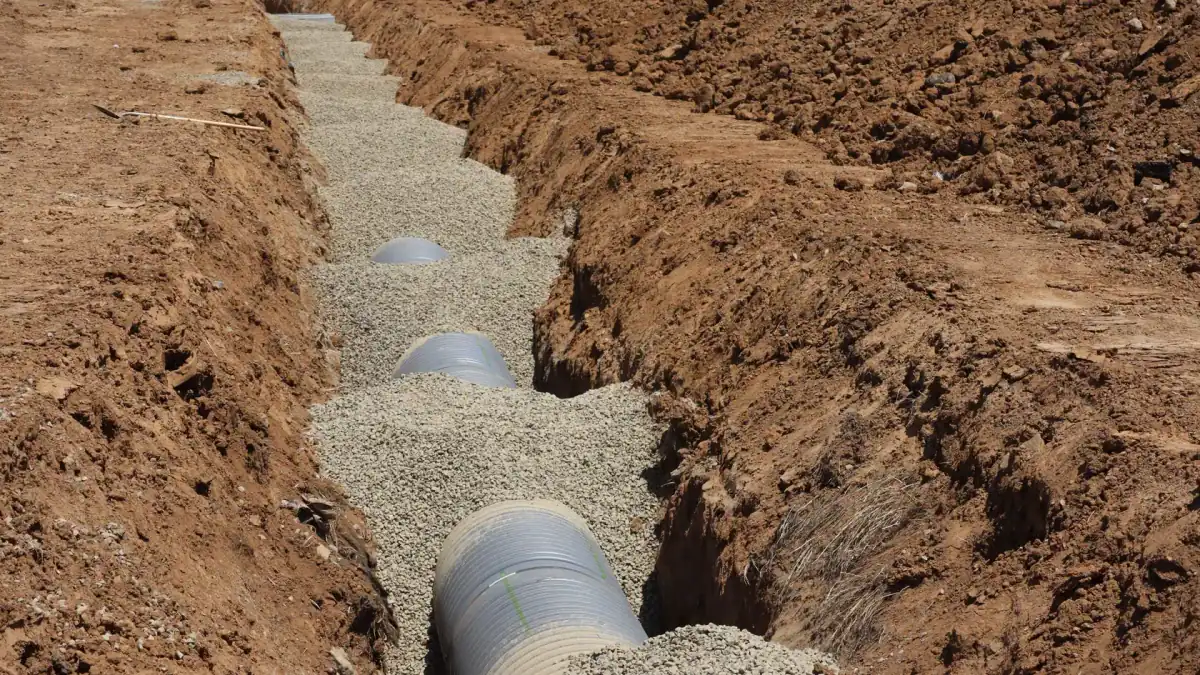
pipe set at the right gradient, joined to the public main with approved materials, and filmed inside before the trench is closed
from locating the public sewer entry point to handing over a filmed, confirmed live connection
connecting the property drain to the public sewer at the correct entry point
setting pipe fall so flow is self-cleaning and solids do not settle
installing a chamber at the junction point for future access and cleaning
internal filming of the joined line before backfill, customer views the screen
confirming all joints hold before the excavation is permanently closed
connecting new construction or building extensions to the existing public main
describe the building type, location, and current construction stage
we locate the public sewer, measure distance, and assess required depth
trench cut to correct gradient, pipe laid on compacted sand bedding
tie-in made, camera sent through the line, customer views the screen live
trench closed after inspection approval, site left clean with camera record
From the inspection camera
Drag the divider and see the difference.
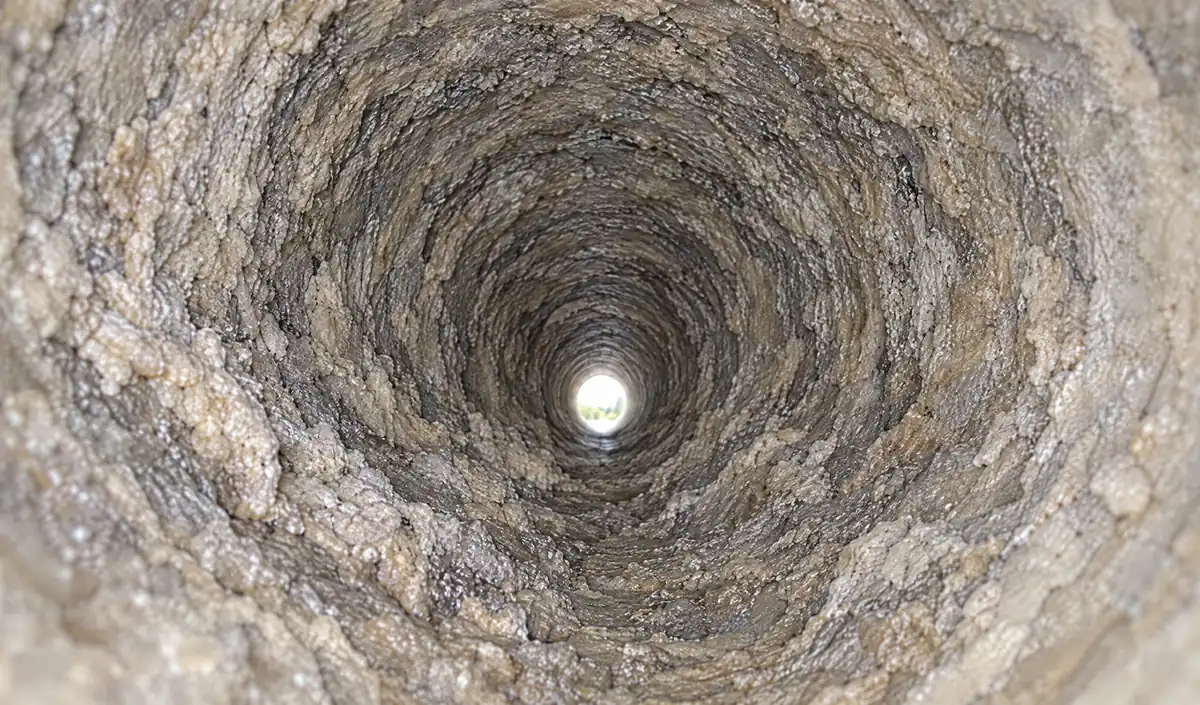
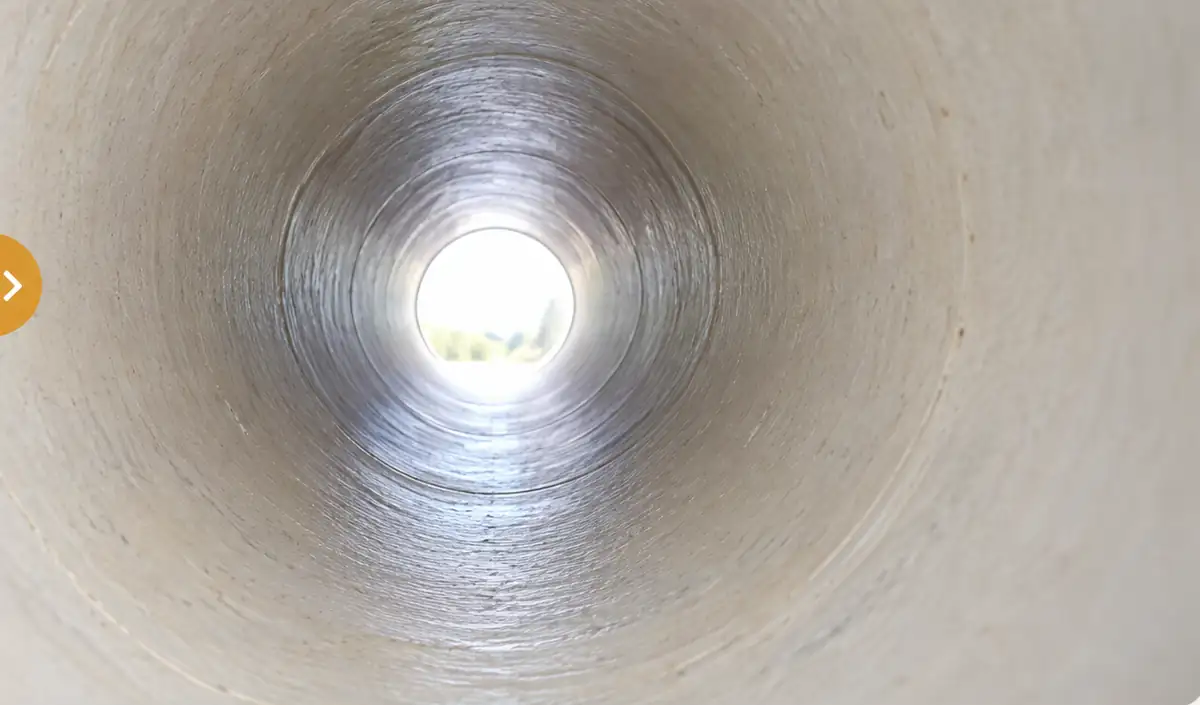
Every job starts with a recording and ends with one. The footage is kept and sent to you.
resists soil load and chemical attack from sewage without corroding or deforming over time
allow slight ground movement without opening the joint or creating a leak point
spreads load evenly along the pipe length and prevents cracking at concentrated stress points
live footage inside the joined pipe reveals any misalignment or gap before the trench is closed
buries gradient errors and joint gaps that only show up when a blockage occurs later
too steep washes liquid ahead leaving solids behind; too shallow stops flow and causes solid build-up
tying into a chamber already serving two neighbours raises back-pressure and risks reverse flow into the new line
without a chamber at each change of direction, future cleaning requires digging up the pipe again
Part of Sewerage contracting · All services · Back to the home page
no fixed rate applies; these factors shape the quote for each connection job
total trench length from property boundary to the live public sewer entry
a deeper municipal main requires more excavation and trench support work
cutting through reinforced asphalt or paving takes longer and adds to overall cost
each direction change requires a separate chamber, adding to the project value
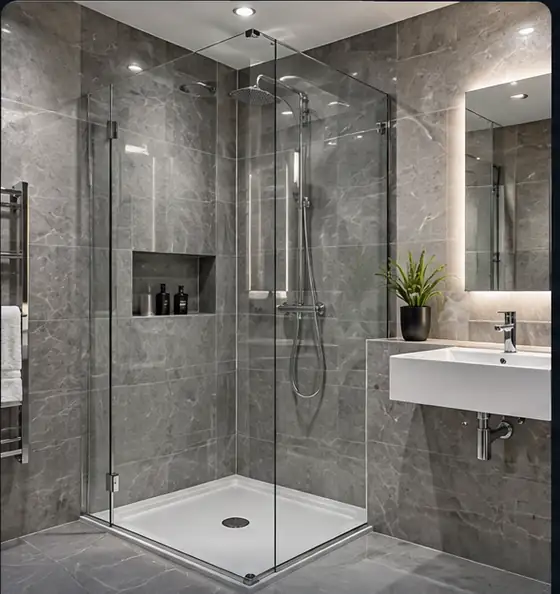
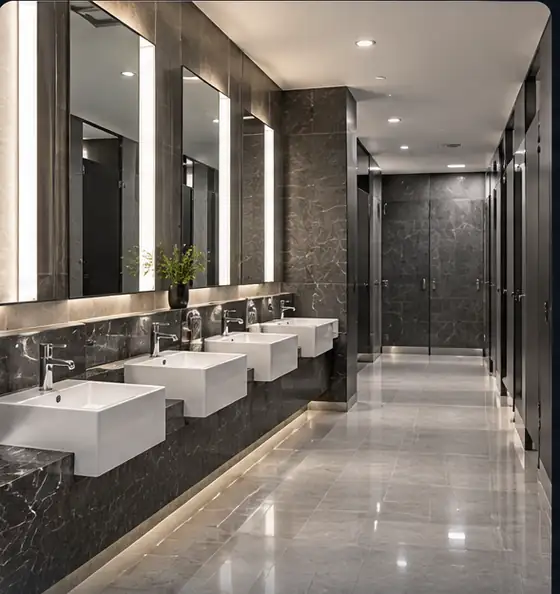
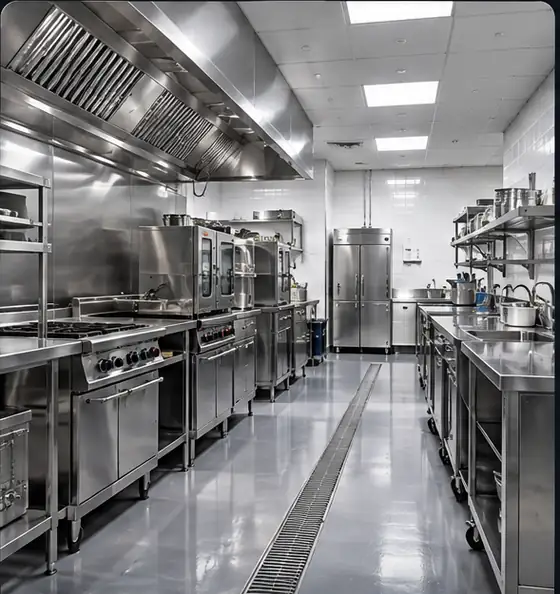
restaurants and commercial complexes need larger pipe diameters than a single residence
Same method, same equipment. Only the size of the job changes.
Why us
Amana means trust. Someone else’s home is not ours to be careless in.
Do not take our word for it. Look at the line yourself.
Breaking is the last resort, never the first step.
A blocked line does not wait for the morning.
Six governorates, 139 areas.
For buildings and complexes, servicing before the problem starts.
Restaurants, offices and complexes, not only homes.
Six governorates, 139 areas.
Common questions
Need someone now? The emergency line is open any hour.
+965 9668 4964
The in-line camera traces the pipe route from inside, and at the tie-in point we confirm the chamber is live on the public main rather than draining to a private tank.
Yes. We survey the site to find the shortest route to the public main. If the internal building lines are in good condition, only the external connection run needs to be added.
The internal network collects waste from all fixtures inside the building and brings it to the property boundary. The municipal connection is the external run that links that boundary point to the public sewer in the street.
Yes. Any existing line is filmed before work begins. A crack or collapsed section shows clearly on screen and is repaired before the tie-in so contaminated flow does not enter the public main.
Yes, but a restaurant typically requires a grease trap before the tie-in point to prevent cooking oils from blocking the public main. We identify this requirement during the site survey.