Electronic detection
sensors detect escaping gas through walls without any breaking
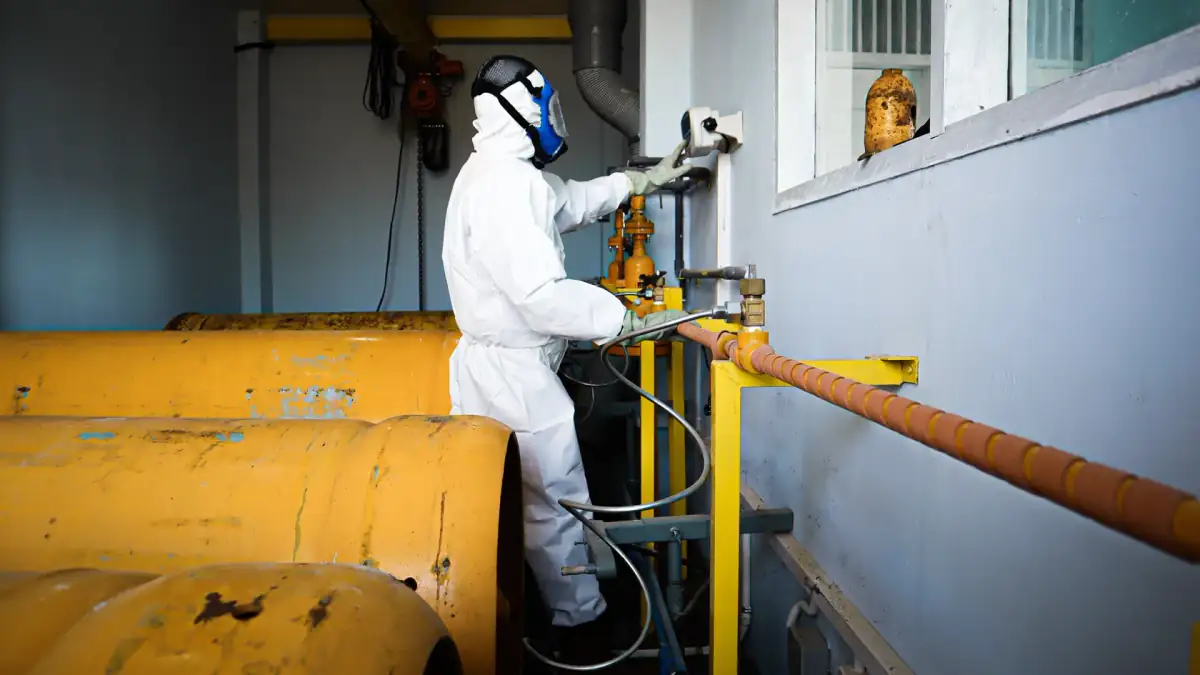
locating and repairing gas leaks across central gas networks in homes, apartments and commercial buildings
sensors detect escaping gas through walls without any breaking
network segments isolated and pressure drop measured to find the faulty section
every joint and valve checked with leak-detection fluid where leakage is suspected
gas isolated to the faulty section immediately to keep the building safe
only the damaged section repaired or replaced, rest of network left intact
full pressure test after repair confirms the entire network is tight
describe the sign you noticed and your location; we arrange the visit
technician reviews the network and identifies suspected sections before scanning
sensors and pressure testing narrow the leak to its exact point
only the faulty section repaired; breaking done only when strictly necessary
final pressure test on the full network then line handed back safe to the customer
a smell that comes and goes for no clear reason signals a slow leak in the line
meter reading rising without any change in actual appliance use points to a hidden leak
a low or uneven flame despite the valve being fully open suggests pressure loss from a leak
a faint hissing or buzzing from a wall containing a gas pipe requires immediate inspection
detects very low gas concentrations through walls and ceilings without any breaking
applied to joints and valves; bubbling identifies the exact point of an external leak
isolating sections and reading pressure drop narrows the fault zone before any breaking
captures escaping gas sound through solid material to narrow the leak location further
Part of Central gas lines · All services · Back to the home page
no fixed rate applies; these factors shape the quote for each job
a leak inside a concealed wall line takes more effort than an exposed pipe
a multi-floor commercial network requires a wider sweep than a single apartment
if repair needs tile or plaster breaking, reinstatement cost is added to the quote
emergency calls at night or on public holidays carry a different rate
replacing a full pipe section costs differently from tightening a single loose joint
Same method, same equipment. Only the size of the job changes.
Why us
Amana means trust. Someone else’s home is not ours to be careless in.
Do not take our word for it. Look at the work yourself.
The leak is marked before a single tile comes up.
A leak does not wait for the morning.
Six governorates, 139 areas.
For buildings and complexes, servicing before the problem starts.
Restaurants, offices and complexes, not only homes.
Six governorates, 139 areas.
Common questions
Need someone now? The emergency line is open any hour.
+965 9668 4964
In most cases yes. Combining electronic sensors, pressure testing and acoustic listening locates the leak precisely enough for a very small opening. Wide breaking is used only if the pipe itself is fractured.
Not always, but any gas smell must be checked. Slow leaks start faint and worsen over time. An inspection confirms whether it is a loose joint or a real leak that needs repair.
Yes in scale. A commercial network has more branches and valves, so detection means isolating multiple sections in sequence. The method is the same but time and effort grow with network size.
Usually yes, if the leak is in an accessible location. If breaking and finishing are needed, completion may require a second visit after the reinstatement dries.
Yes. The gas line feeding a central heater is part of the central gas network and follows the same detection and repair process. If the fault proves to be in the heater itself rather than the line, the heater department takes over.