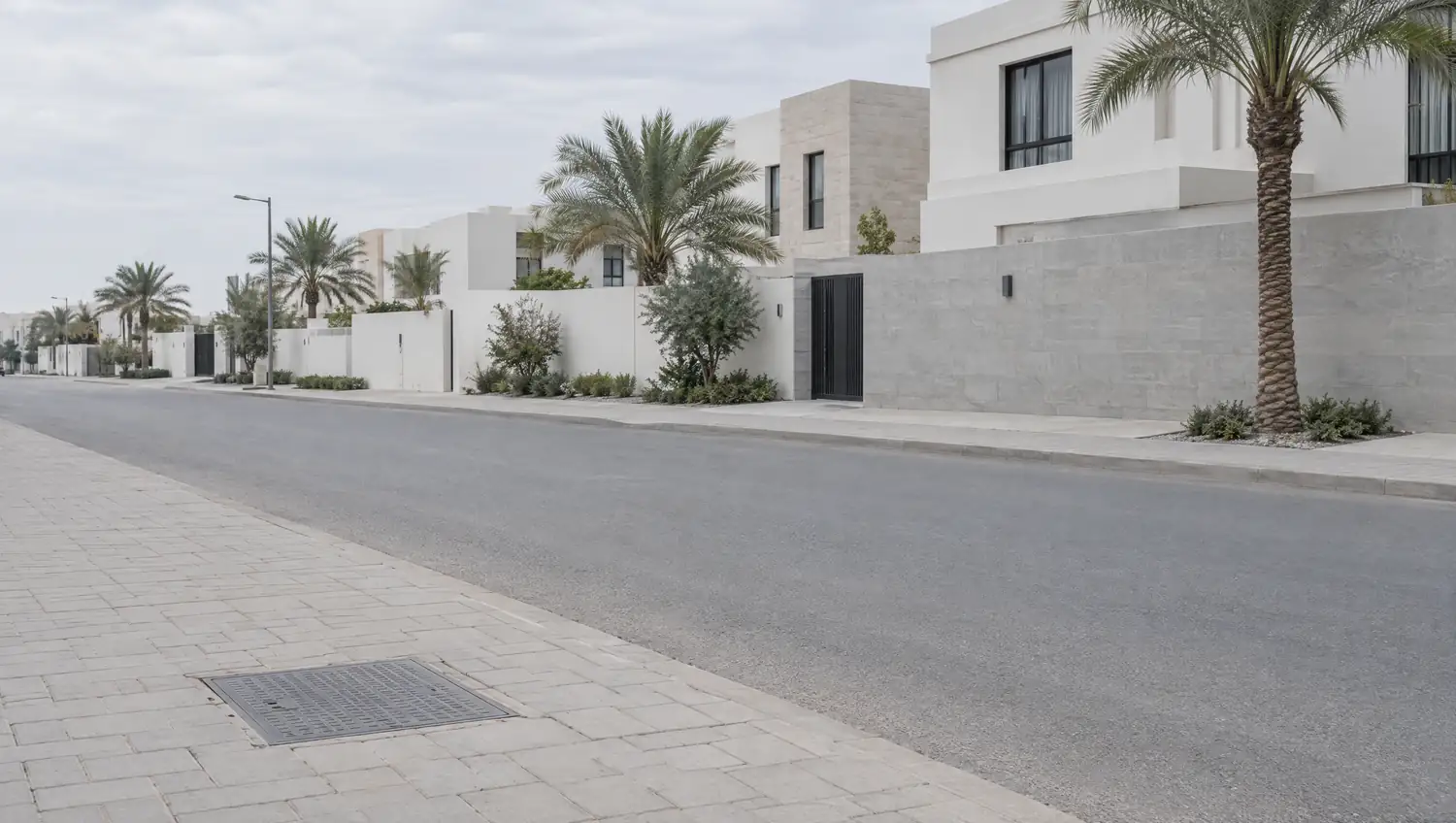
Central gas first-fix
Main gas network laid and pressure-tested before walls are plastered.
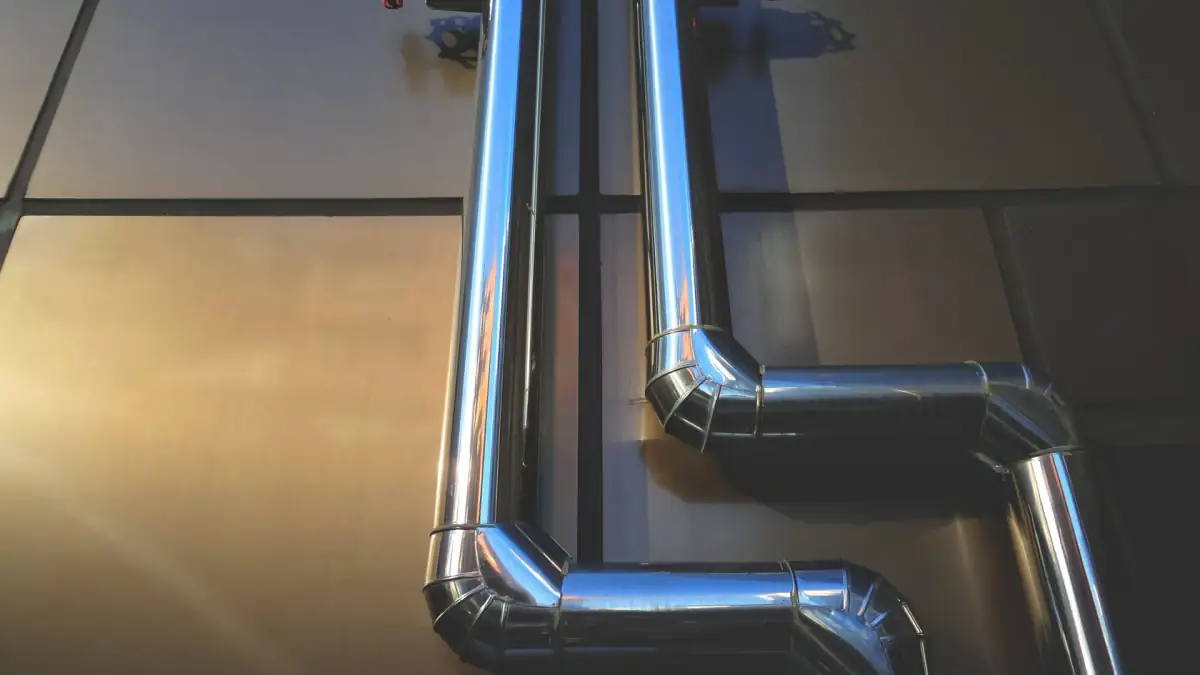
Plumbing and sanitary works
Certified pipe runs, documented pressure tests before walls close, and acoustic leak detection that finds the fault without guesswork.
Installation, testing and fault detection for central gas networks in homes and commercial premises.
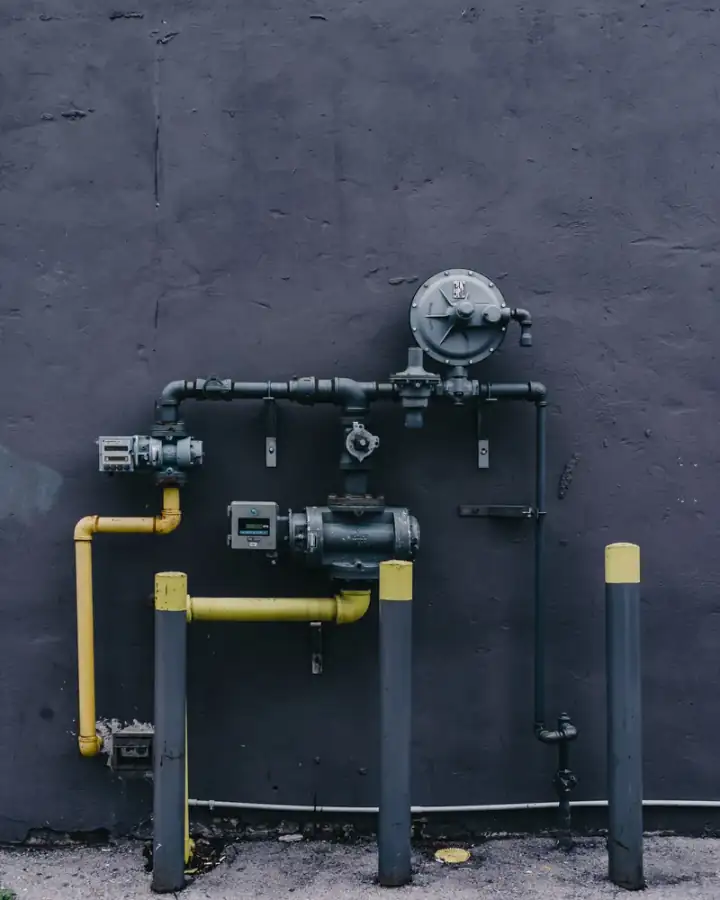
Main gas network laid and pressure-tested before walls are plastered.
Residential kitchen gas points run to correct sizing and outlet count.
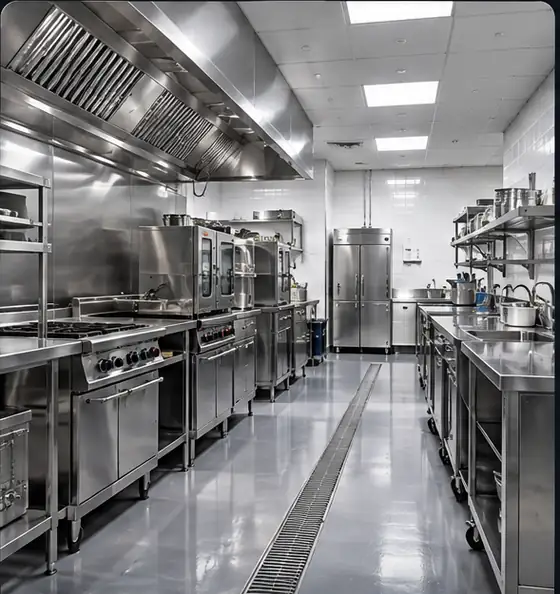
Commercial kitchen gas networks sized for high demand with isolation at each appliance.
Leak located with detection instruments before any wall or floor is opened.
Ball valves fitted at the main inlet and at every branch point.
Periodic check of all valves, joints and fittings across the gas network.
Describe the need or fault, confirm building type and location.
Technician surveys the site and maps the full pipe route.
Pipe runs and isolation valves installed to the agreed plan.
Nitrogen test run and gauge reading confirms the network is tight.
Walls closed after confirmed test; customer shown all valve locations.
A gas odour near a wall or inside a closed kitchen with no appliance turned on.
Burner flame turns yellow or noticeably weak with no change to the appliance settings.
A faint hiss audible close to a wall known to contain a gas run.
Adding a gas oven, heater or extending the kitchen requires checking current network capacity.
Copper or steel pipe resists internal corrosion and holds gas pressure reliably over time.
Brazed or mechanically pressed joints eliminate the leak risk that comes with threaded gas fittings.
Electronic sensors pinpoint the leak location on a hidden run before any surface is opened.
Dry nitrogen injected into the completed network reveals any joint failure before gas is introduced.
Work begins by mapping the full network route before any wall chase is opened, fixing the position of each gas outlet and each isolation valve. In a new build, the gas pipe is typically sleeved inside a protective conduit set into the wall so it can be withdrawn and replaced later without reopening the structure. In an occupied building, routes are chosen to reduce the area of finish that must be disturbed.
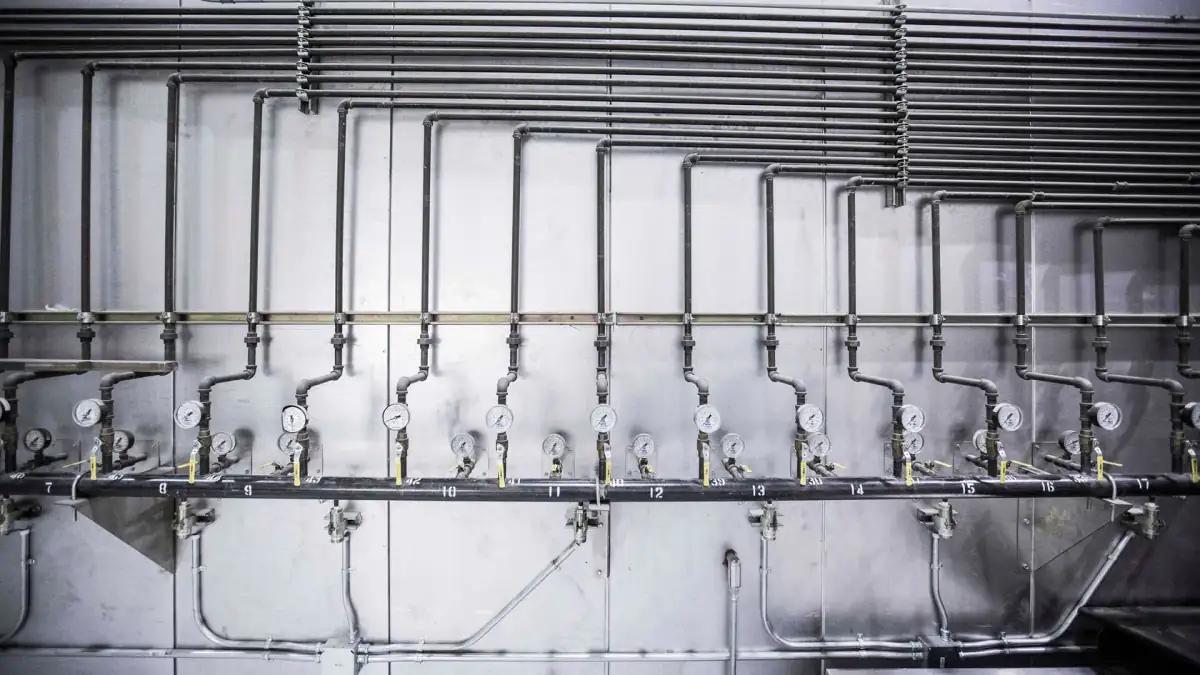
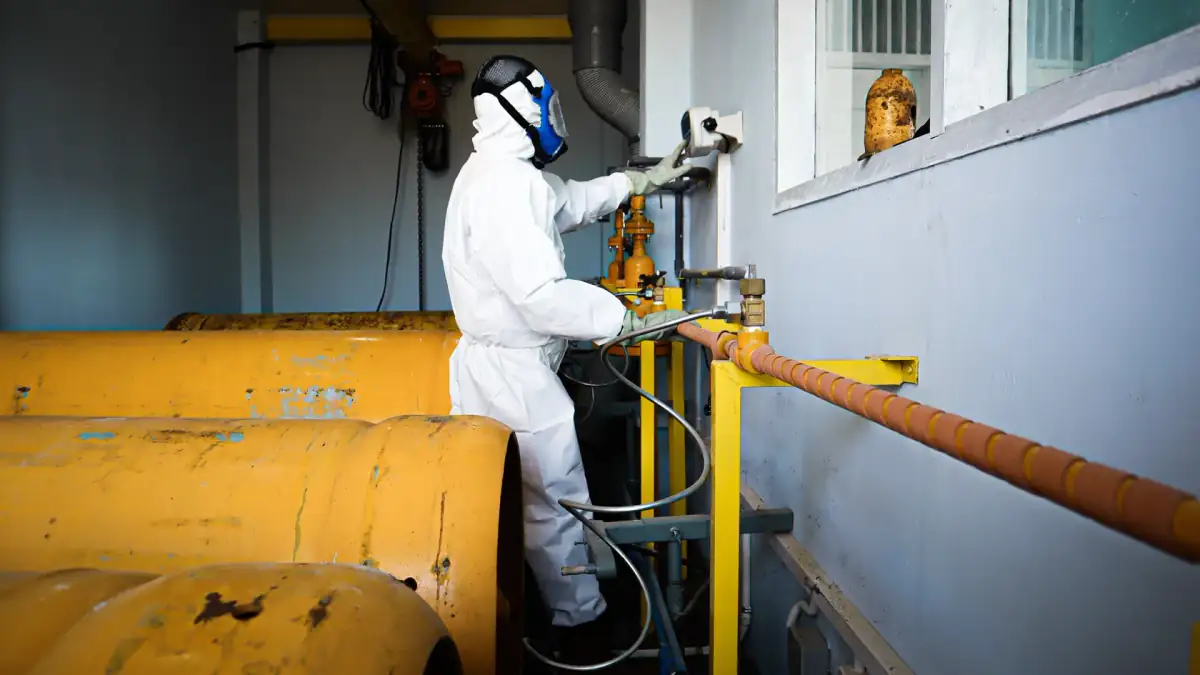
Once the pipe run and valves are fitted, a nitrogen pressure test is conducted rather than a compressed-air test, because dry nitrogen carries no moisture that could damage joints or internal surfaces. Pressure is held and read on a calibrated gauge for a confirmed period. If it holds, the wall is closed. If it drops, electronic detection instruments locate the fault precisely before a single tile is touched.
Commercial kitchens in restaurants require a meaningfully different network specification from a home installation. Pipe diameter and pressure capacity must match the combined load of all appliances running together at peak service. Each appliance needs its own isolation valve so it can be shut off without closing the whole kitchen. Leak detection in a commercial kitchen demands sensitive instruments because cooking odours can mask the smell of escaping gas.
Part of Plumbing and sanitary works · All services · Back to the home page
Several factors specific to the job determine the quote, with no fixed rate.
Total run length and routing complexity are the primary cost drivers.
Opening and refinishing walls in an existing building adds significant cost.
A commercial restaurant network requires heavier specification than a residential one.
Each additional isolation valve and gas outlet point adds to the total.
Emergency calls after hours or to distant governorate areas affect the visit cost.
Same method, same equipment. Only the size of the job changes.
Why us
Amana means trust. Someone else’s home is not ours to be careless in.
Do not take our word for it. Look at the work yourself.
The leak is marked before a single tile comes up.
A leak does not wait for the morning.
Six governorates, 139 areas.
For buildings and complexes, servicing before the problem starts.
Restaurants, offices and complexes, not only homes.
Six governorates, 139 areas.
Common questions
Need someone now? The emergency line is open any hour.
+965 9668 4964
Yes. Electronic detection instruments identify the precise leak location before any surface is opened. Breaking is then limited to the confirmed fault point, not the whole wall.
A restaurant network operates under much heavier combined loads, requiring larger pipe diameter and a dedicated isolation valve per appliance so any one unit can be shut off without stopping the whole kitchen.
Nitrogen is inert and completely dry, so it carries no moisture into the joints that could cause early corrosion. It also gives more stable pressure readings because it does not expand with heat the way compressed air does.
Usually yes, provided a nearby isolation valve exists on the relevant branch. Only that branch is closed during the work and reopened after the new joint passes a local pressure check.
When multiple leak points appear on the same network, or when pipes show signs of external corrosion, full replacement is safer and more economical in the long run than a series of individual repairs.
Yes. The service covers residential complexes, multi-storey buildings and commercial premises across all 6 governorates of Kuwait.