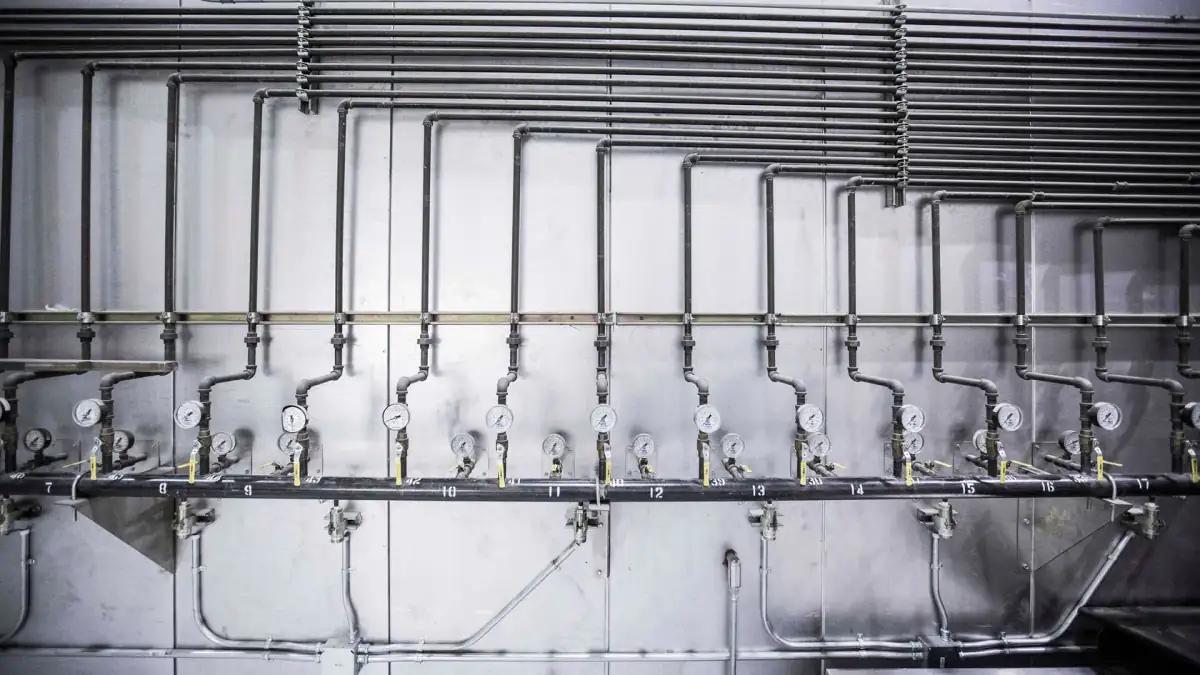
Main pipe run
Running the supply line into the kitchen at the correct pipe diameter
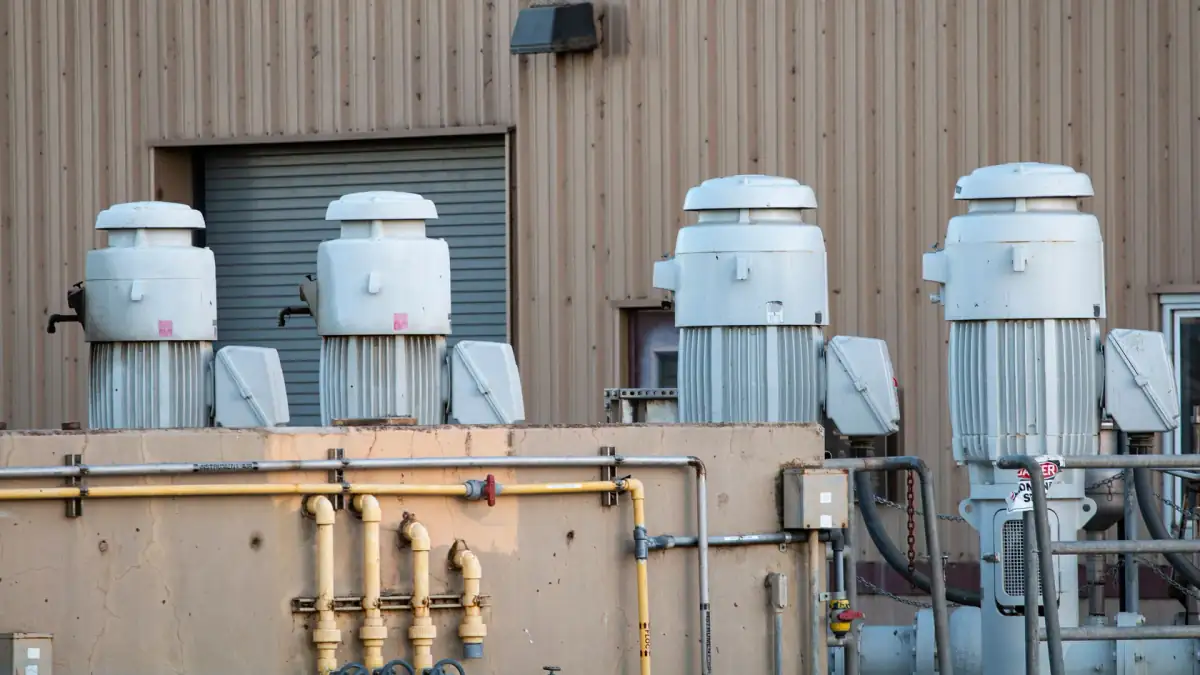
Routing the gas network through a commercial kitchen from the inlet to each appliance
Running the supply line into the kitchen at the correct pipe diameter
Dedicated branch for each burner, oven, grill or fryer in the kitchen
Valve at each appliance so one unit can be isolated without stopping the whole line
Pipes run inside the wall or surface-mounted to suit the building structure
Completed network tested under dry nitrogen pressure before any appliance is connected
Inspecting or extending a working kitchen gas network with minimal downtime
Tell us the appliance count, location and earliest available access time
We inspect the kitchen, map the pipe route and mark branch points and valves
Pipes are run, valves are fitted and all joints are completed carefully
The full network is tested under nitrogen and checked for any leak
Network handed over ready for use with a record of pipe routes and valve positions
A faint smell present when the main supply opens in the morning, then fading
One burner gives a low blue flame while every other appliance works normally
A new oven or grill arriving with no dedicated gas outlet ready for it
A rubber flex hose routed behind equipment and pulled or kinked during cleaning
List every burner, oven, grill and fryer that needs its own gas outlet
Know where the gas supply enters the floor and whether a meter or main valve is fitted
Confirm whether walls are tiled or bare, as this affects how pipes will be routed
Decide which hours the gas supply can be cut without disrupting kitchen operations
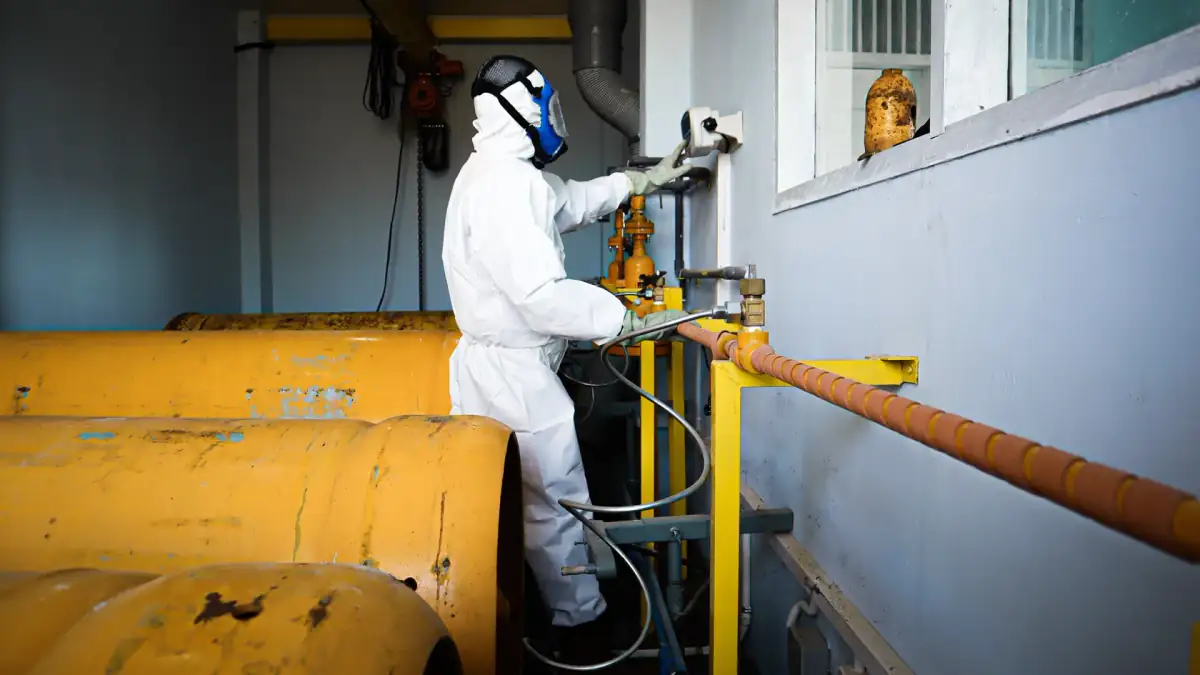
Part of Central gas lines · All services · Back to the home page
No fixed rate applies; these factors together determine the final quote
Each extra outlet adds a branch, a valve and additional pipe length
Distance from the gas supply point to the last appliance in the kitchen
Concealed runs through tiled walls require breaking and finishing work
A tower or complex restaurant differs in routing requirements from a ground-floor unit
Late-night visits or locations outside central governorates may affect the total cost
Same method, same equipment. Only the size of the job changes.
Why us
Amana means trust. Someone else’s home is not ours to be careless in.
Do not take our word for it. Look at the work yourself.
The leak is marked before a single tile comes up.
A leak does not wait for the morning.
Six governorates, 139 areas.
For buildings and complexes, servicing before the problem starts.
Restaurants, offices and complexes, not only homes.
Six governorates, 139 areas.
Common questions
Need someone now? The emergency line is open any hour.
+965 9668 4964
In most cases yes. We schedule work during low-demand hours and isolate only the section being extended, leaving other appliances running. The exact shutdown window is agreed in advance.
Copper is lighter and easier to route, suitable for most commercial kitchens. Steel is stiffer and preferred for larger diameter runs or locations with mechanical impact risk. The choice depends on network size and site conditions.
A single main valve cuts the whole network, meaning the entire kitchen stops whenever one appliance needs attention. A valve at each appliance lets you isolate one unit without affecting the rest of the kitchen.
Yes. We first check the existing pipe diameter and pressure to confirm sufficient capacity for the new outlets, then add the required branches and carry out a full pressure test on the extended network.
Yes, we cover all 6 governorates and work at any floor level. Upper-floor installations require coordination with building management to agree the pipe route through ceilings or structural elements.