Pipe routing
Mapping every copper run before walls are plastered over
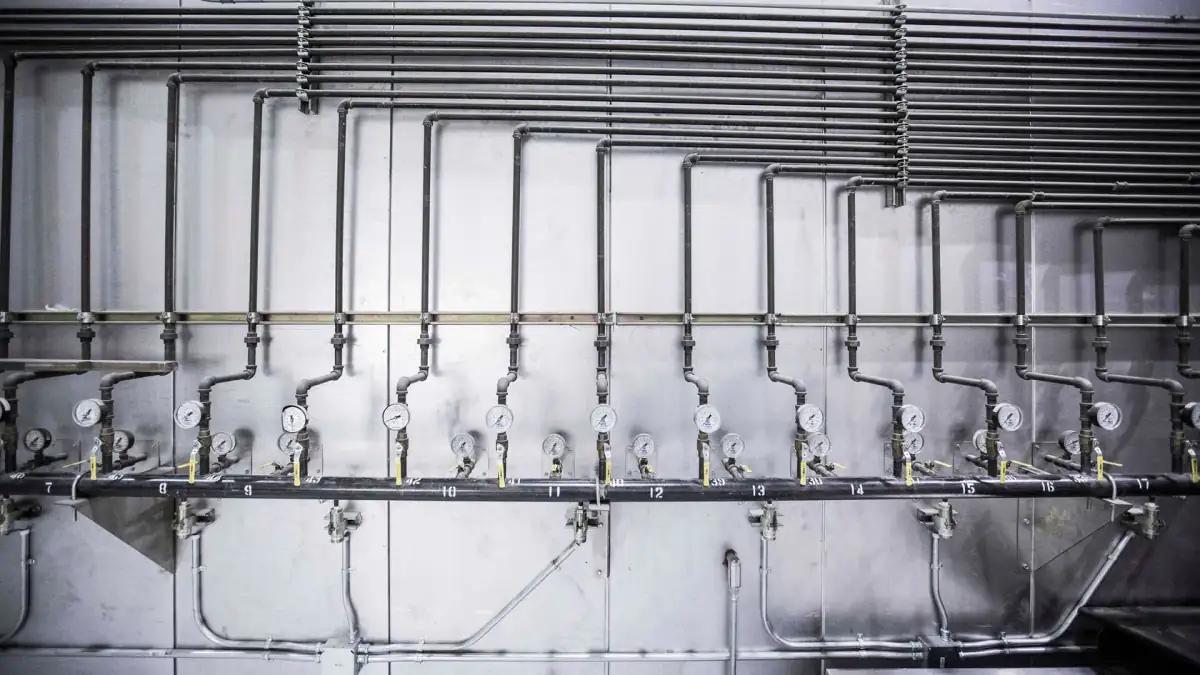
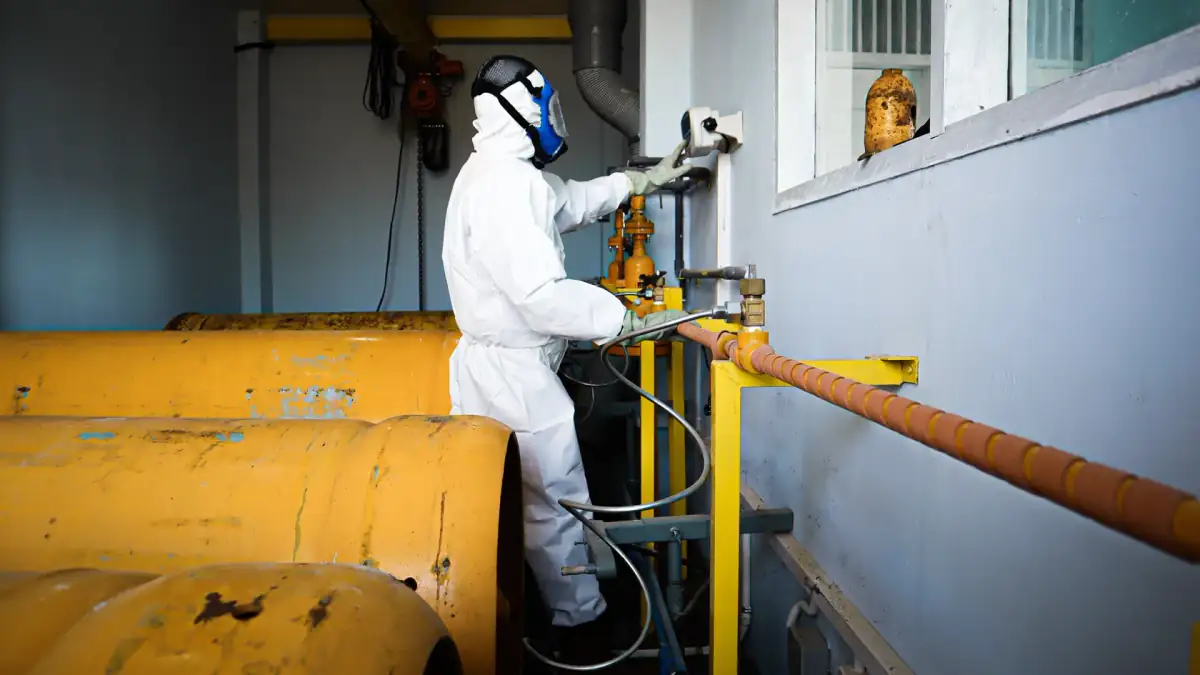
Running all gas supply branches from the meter point to each outlet before plastering begins
Mapping every copper run before walls are plastered over
Branching the network to each appliance position per plan
Fitting an isolation valve at every outlet for future servicing
Dry nitrogen charge and pressure hold test before handover
Core drilling wall openings and securing pipes with correct clips
Recording final pipe routes for future maintenance reference
Describe the building type and current build stage to us
Technician visits to study drawings and plan pipe routes
Copper pipes run, fixed, and isolation valves fitted at every outlet
Nitrogen charged and pressure held steady before walls are closed
As-built network record handed over and valve locations explained
Walls are bare and ceilings open, the only stage to route pipes without later breaking
Cooker runs on a cylinder because no gas line reached the kitchen during first-fix
A new floor is being built and needs a gas network before its walls are closed
Owner wants cylinders removed and a permanent piped network installed instead
Leaving gas runs until finishing means breaking finished tiles and plastered walls
Pipes not rated for gas pressure corrode early and allow undetected leaks
Closing walls before a pressure test traps any leak permanently behind the finish
A network with few valves forces a full building shutoff for any single repair
Part of Central gas lines · All services · Back to the home page
No fixed rate applies; the quote depends on factors specific to the building and the network scope
Each extra outlet or floor adds pipe length and valve count
Long runs through multiple ceilings and walls take more time and material
Villa, apartment block and commercial building each need a different network scale
Number of wall and ceiling penetrations and the patching they need affects cost
Locations outside central areas or urgent visits are priced differently
Same method, same equipment. Only the size of the job changes.
Why us
Amana means trust. Someone else’s home is not ours to be careless in.
Do not take our word for it. Look at the work yourself.
The leak is marked before a single tile comes up.
A leak does not wait for the morning.
Six governorates, 139 areas.
For buildings and complexes, servicing before the problem starts.
Restaurants, offices and complexes, not only homes.
Six governorates, 139 areas.
Common questions
Need someone now? The emergency line is open any hour.
+965 9668 4964
It is possible but costly and disruptive. Pipes need routes inside finished walls and ceilings, which means extensive breaking and patching. Doing the first-fix at structure stage avoids all of that.
Central first-fix covers the full network from the meter point to all outlets across the building. A single kitchen line connects one point to an existing network.
Yes. An as-built record is essential for any future maintenance or extension. Without it, tracing pipe routes behind finished walls becomes difficult and expensive.
It depends on the new outlet location and its proximity to existing runs. If the original first-fix included nearby isolation valves, the work is limited. Good network documentation reduces both time and breaking.
Yes. We cover villas, apartments, residential complexes and buildings across all 6 governorates of Kuwait.