Pressure diagnosis
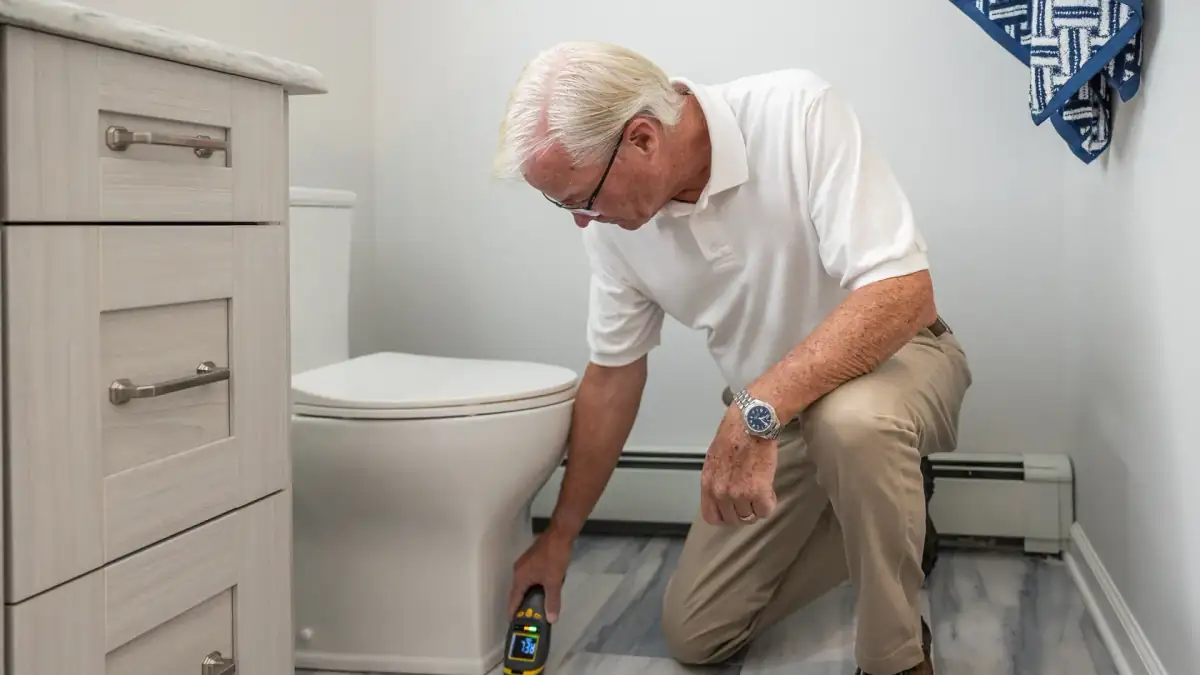
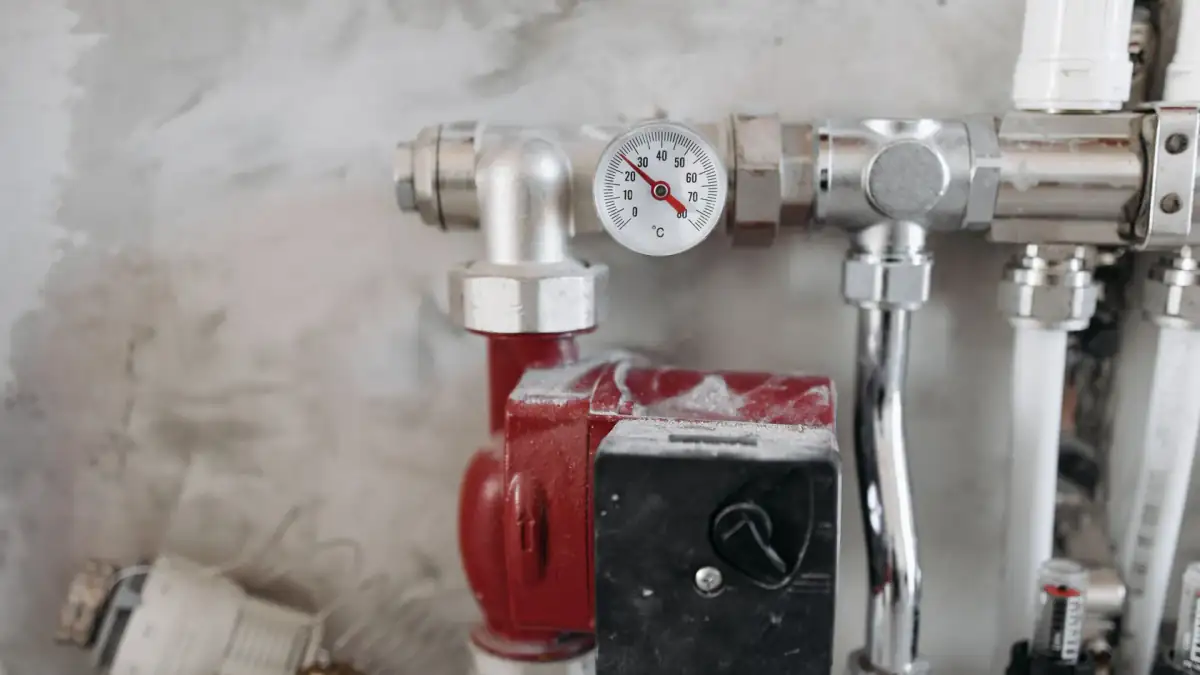
Pressure measured at multiple points to pinpoint exactly where the fault lies
Plumbing and sanitary works
We trace weak pressure to its exact cause before touching anything, pump fault, blocked pipe or scale buildup, and fix it the same visit.
Diagnosing and fixing every cause of low water pressure in homes and buildings
Pressure measured at multiple points to pinpoint exactly where the fault lies
Transfer pump, pressure switch and expansion vessel checked and set correctly
Mineral scale cleared from pipes, pressure reducers and aerators blocking flow
Pressure-reducing valve inspected, adjusted or replaced if it restricts supply
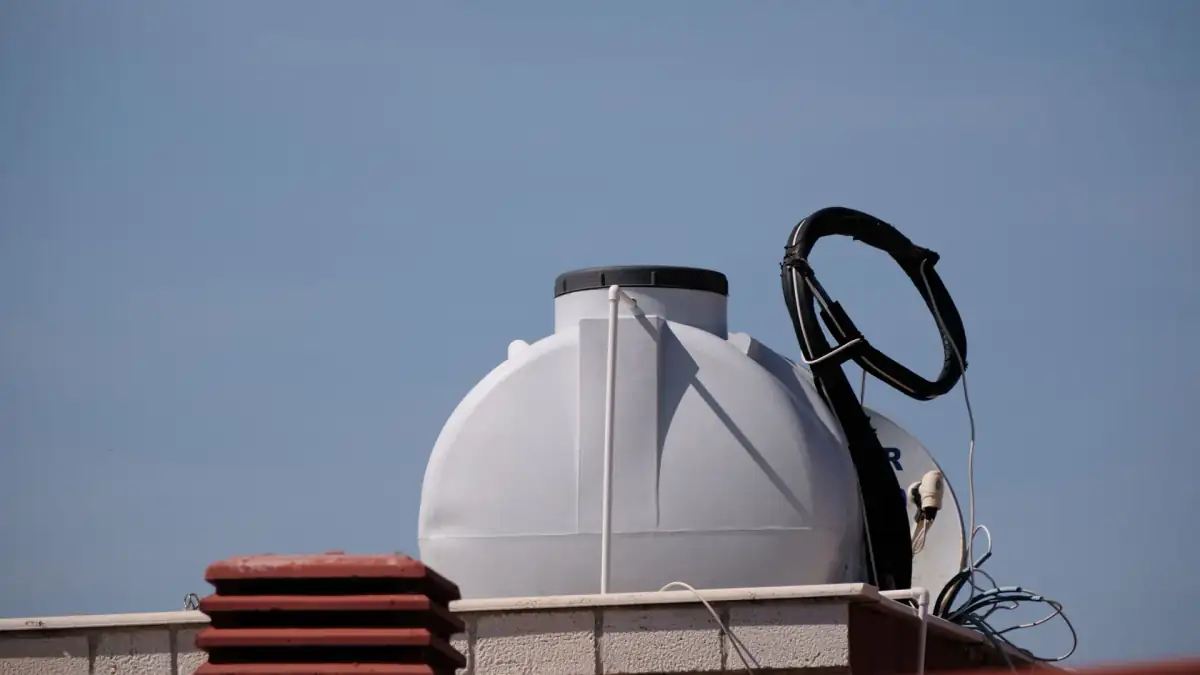
Tank level, float valve and inlet pipe verified to rule out supply shortfall
Pressure confirmed at all outlets after repair before the visit closes
Describe the symptoms, affected outlets and building type
Pressure gauged at multiple points to locate the fault precisely
Pump, pipes, valves and camera inspection used as needed
Only the confirmed fault is fixed; sound parts are left untouched
Pressure confirmed at all outlets before the visit is closed
Swapping the pump before checking the pressure switch wastes money when the pump itself is fine
Scale narrows the pipe bore slowly and mimics a pump fault until flow nearly stops
Raising the pressure-switch setting without a gauge overloads the pump and shortens its life
A scale-clogged pressure-reducing valve is often mistaken for a mains supply problem
Confirm both ground and roof tanks are full; the fault may be a supply shortfall not pressure
Listen to the pump; note whether it runs continuously or starts and stops very rapidly
Note whether weak pressure is in hot water only, cold only or at every outlet in the flat
If the building is old and still has galvanised iron pipes, mention that when you call
Low water pressure in Kuwait comes from several causes that often overlap. Hot summers accelerate mineral scale buildup inside roof pipes and exposed lines, narrowing the bore gradually until flow drops to a trickle. Every home has at least two tanks and a transfer pump, and when pressure falls the first assumption is a pump failure. In practice the fault is more often a pressure switch out of calibration, a waterlogged expansion vessel or a single scaled-up pipe section feeding one bathroom.
Before changing any part, pressure is measured at three points: at the pump outlet, at the flat entry and at the furthest tap. That reading shows whether the fault is upstream of the unit or inside it. Aerators and pressure-reducing valves are checked next because Kuwait's hard water scales them silently. If the pipes are old galvanised iron, an inspection camera confirms how much the bore has narrowed before any decision about replacement is made, avoiding unnecessary breaking.
After the repair, pressure is re-measured at every outlet to confirm the result is even throughout the property. If the cause is internal pipe scale, two options are presented clearly: clean what can be cleaned, or replace the affected sections with PPR pipe that resists scale better over time. The owner decides after seeing the camera footage, not before. Nothing is broken and no section is replaced unless the evidence from inside the pipe justifies it.
Part of Plumbing and sanitary works · All services · Back to the home page
No fixed rate applies; these factors determine what the visit actually costs
Adjusting a pressure switch costs far less than replacing a buried pipe section
Old galvanised pipes heavily scaled inside may need partial replacement not just cleaning
Tile breaking and plastered finish reinstatement are priced separately when required
Full pump or expansion vessel replacement differs in cost from a service call
Night calls and public holiday visits are priced differently from standard hours
Same method, same equipment. Only the size of the job changes.
Why us
Amana means trust. Someone else’s home is not ours to be careless in.
Do not take our word for it. Look at the work yourself.
The leak is marked before a single tile comes up.
A leak does not wait for the morning.
Six governorates, 139 areas.
For buildings and complexes, servicing before the problem starts.
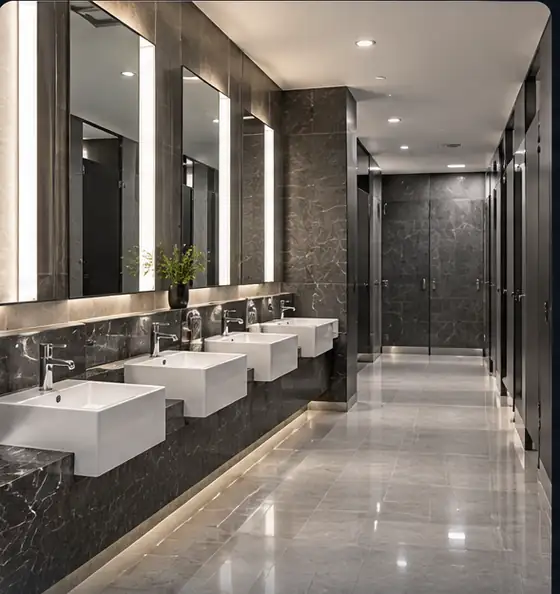
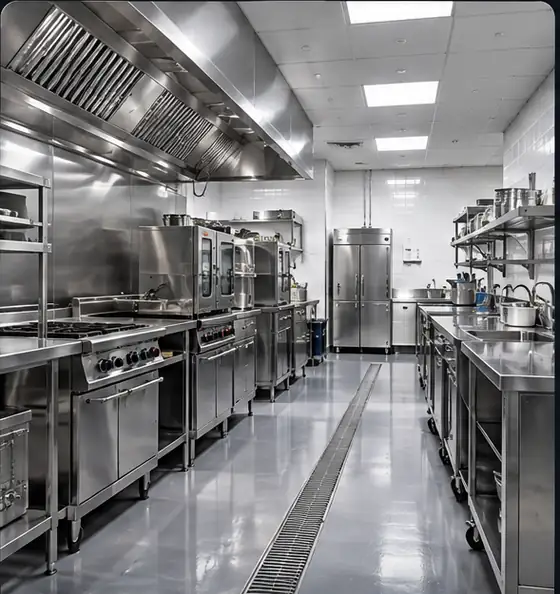
Restaurants, offices and complexes, not only homes.
Six governorates, 139 areas.
Common questions
Need someone now? The emergency line is open any hour.
+965 9668 4964
The most common cause is a transfer pump not generating enough head to supply the upper floor, or a pressure switch that needs recalibration. Scale narrowing the riser pipe between floors produces the same symptom and is found with an inspection camera.
A full tank confirms supply but not delivery pressure. The fault often sits at the expansion vessel, which loses its air charge over time, or at the pressure switch. Scale blocking a short pipe section just after the tank produces the same picture.
In most cases yes. Pump faults, regulator issues and aerator blockages all need no breaking. Tile removal is a last resort used only when the camera shows a pipe inside the wall is cracked or fully blocked and cannot be cleared any other way.
Not necessarily. Mineral scale accumulates faster in hot-water lines because heat accelerates precipitation, narrowing the pipe or blocking the heater inlet valve. Both the hot-water line and the heater inlet are checked together to isolate the exact point of restriction.
Fluctuating pressure usually points to a waterlogged expansion vessel that has lost its air charge, causing the pump to cycle rapidly. A float valve in the tank that does not close fully, letting the water level rise and fall, produces a similar pattern.
Yes. The service covers homes, apartments, offices, restaurants and residential complexes across all 6 Kuwait governorates, around the clock.