Fill valve
Adjusted or replaced when filling is slow, noisy or never stops.
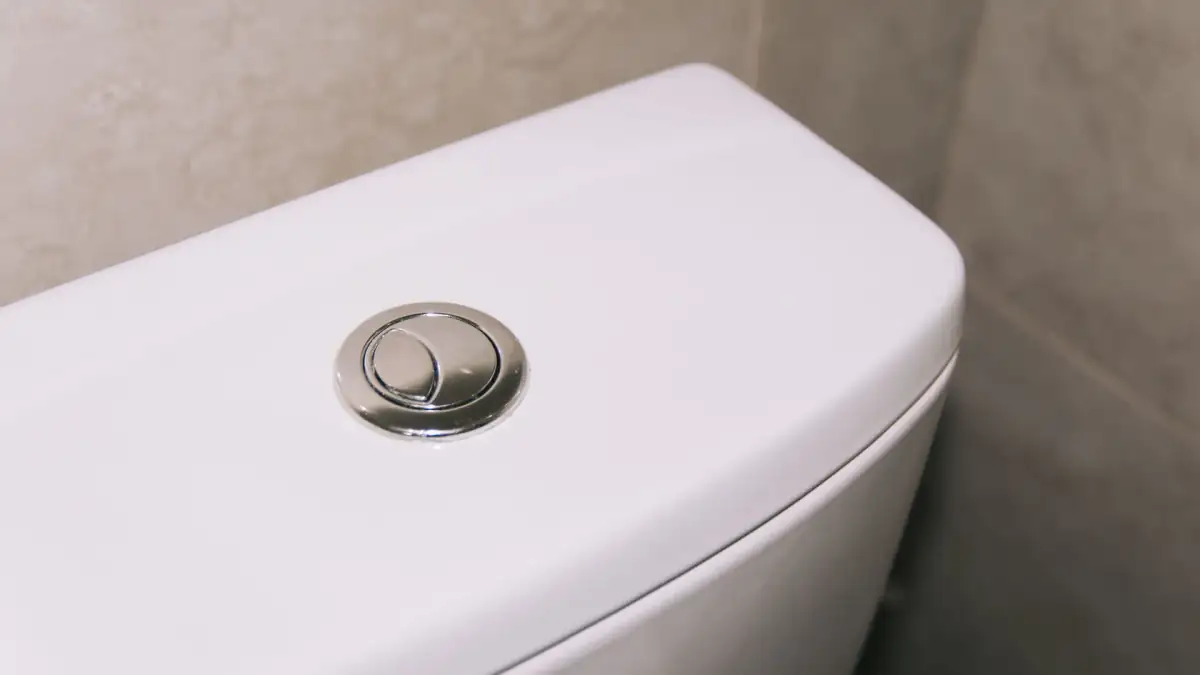
Every fault from the fill cycle to the flush, covering cistern and pan together.
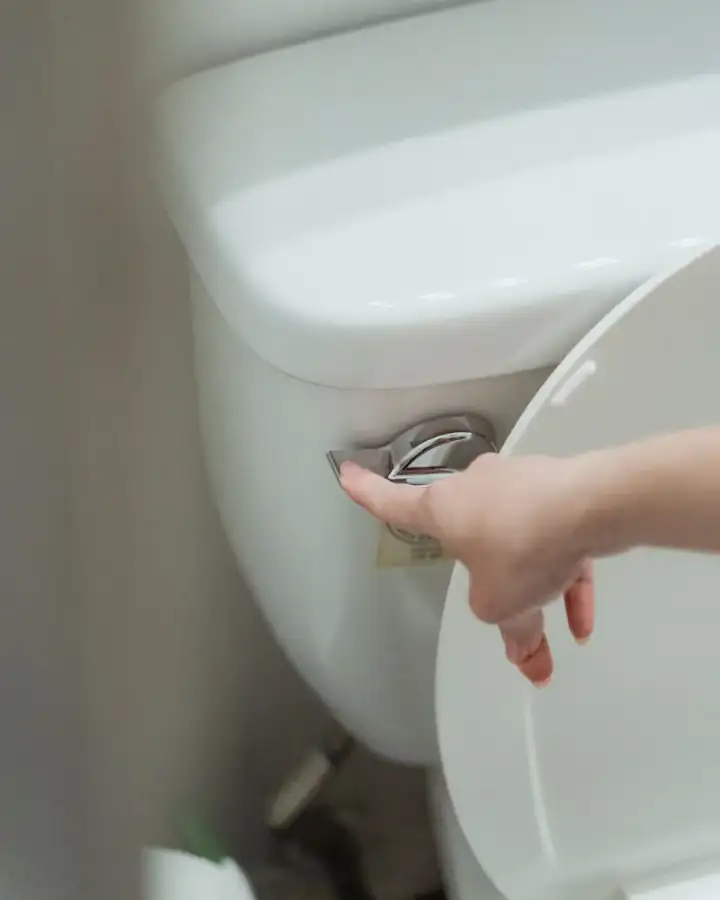
Adjusted or replaced when filling is slow, noisy or never stops.
Repaired when water trickles constantly from cistern to pan.
Set or replaced to restore the correct water level inside.
Checked and reseated when the joint leaks at floor level.
Broken or loose seats replaced on the same visit.
Wax or rubber seal replaced when water pools at the base.
Describe the fault and your area to set a visit time.
Cistern and pan inspected, dye test run before dismantling.
Required parts identified and price given before work starts.
Faulty parts replaced or adjusted, unit reassembled properly.
Fill, flush and base all checked before the technician leaves.
Standard in most Kuwaiti cisterns and tolerates hard, mineral-heavy supply water.
Heat and scale harden old seals; a new seal stops constant trickle immediately.
Seated under the pan to seal the drain horn against the floor flange.
Coloured dye placed in the cistern reveals a silent valve leak without dismantling.
Masks the symptom briefly while a worn fill valve keeps failing.
Cistern refilling every hour means water is escaping past the flush valve constantly.
Cracks the plastic cistern base and creates a new leak from above.
Allows sewer gas to rise and dirty water to spread beneath the tile.
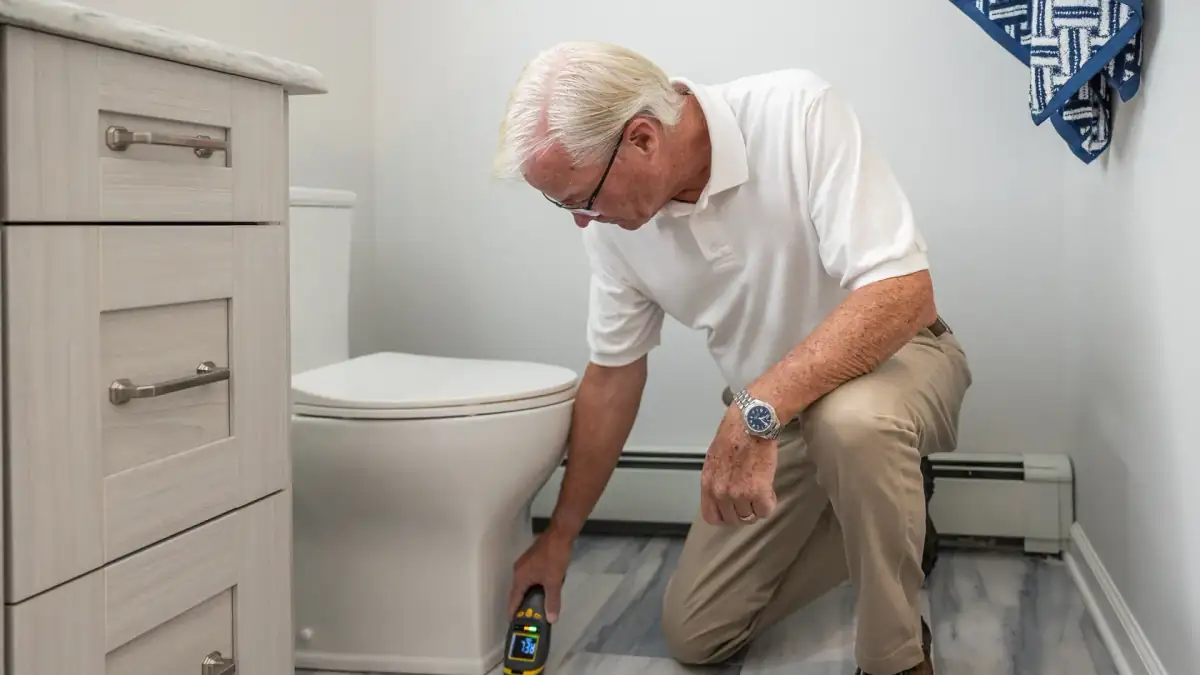
The visit starts with diagnosis before any part is removed. The cistern water level is checked, a dye test confirms whether the flush valve is leaking silently into the pan, and the fill valve and float are tested to verify the valve closes fully. Kuwait's hard water leaves mineral deposits on the valve seat and prevents a complete seal, which is the leading cause of constant refilling that most owners do not notice until they receive a high water bill.
Once the fault is identified, the correct replacement part is chosen for that cistern type: a side-entry or top-entry fill valve, a flush seal, or a full internal kit when multiple components have worn together. When the pan itself is reinstalled, the drain connector and base wax ring are inspected and renewed. Skipping the base seal is a common shortcut that leads to sewer odour at floor level and water tracking under tiles, often blamed on an unrelated cause.
After installation the work is checked: the cistern fills and the valve is confirmed to stop at the correct level, the dye test is repeated to verify the flush seal holds, and the base is checked for any moisture. If the toilet is old and the cistern volume is unnecessarily large, a displacement insert can reduce consumption without replacing the fixture. The check step is what separates a repair that holds from one that fails again within days.

Part of Plumbing and sanitary works · All services · Back to the home page
No fixed rate applies; the quote depends on the fault and what it needs.
Replacing one seal differs from fitting a complete internal cistern kit.
A concealed wall-hung cistern needs more access work than a close-coupled unit.
Replacing the pan includes drain fitting, base seal and supply reconnection.
Emergency calls outside normal hours differ from scheduled daytime visits.
Servicing multiple toilets in one visit affects the overall quotation.
Same method, same equipment. Only the size of the job changes.
Why us
Amana means trust. Someone else’s home is not ours to be careless in.
Do not take our word for it. Look at the work yourself.
The leak is marked before a single tile comes up.
A leak does not wait for the morning.
Six governorates, 139 areas.
For buildings and complexes, servicing before the problem starts.
Restaurants, offices and complexes, not only homes.
Six governorates, 139 areas.
Common questions
Need someone now? The emergency line is open any hour.
+965 9668 4964
No. The cistern is losing water silently past the flush valve into the pan. A dye test confirms it, and replacing the flush seal stops it. Left alone, it wastes a notable amount of water every day.
Usually yes. Most concealed cisterns have a front access panel that allows the fill valve and flush valve to be replaced without touching the tile. Opening the wall is only needed when the cistern body itself is cracked.
Two likely sources: the base seal between the pan and the drain flange has failed, or the cistern supply hose is dripping. On-site inspection tells which it is before any part is changed.
Scale deposits on the fill valve restrict flow, so the cistern never fills to its correct level. When you flush, there is less water than needed. Cleaning or replacing the fill valve restores a full flush.
Yes, both types. Wall-hung toilets require an additional check of the support frame and the rear connector as well as the concealed cistern internals.
If the replacement unit is ready and available, yes. Confirming this when you first call means the technician arrives with the right parts and the swap is done in one visit.