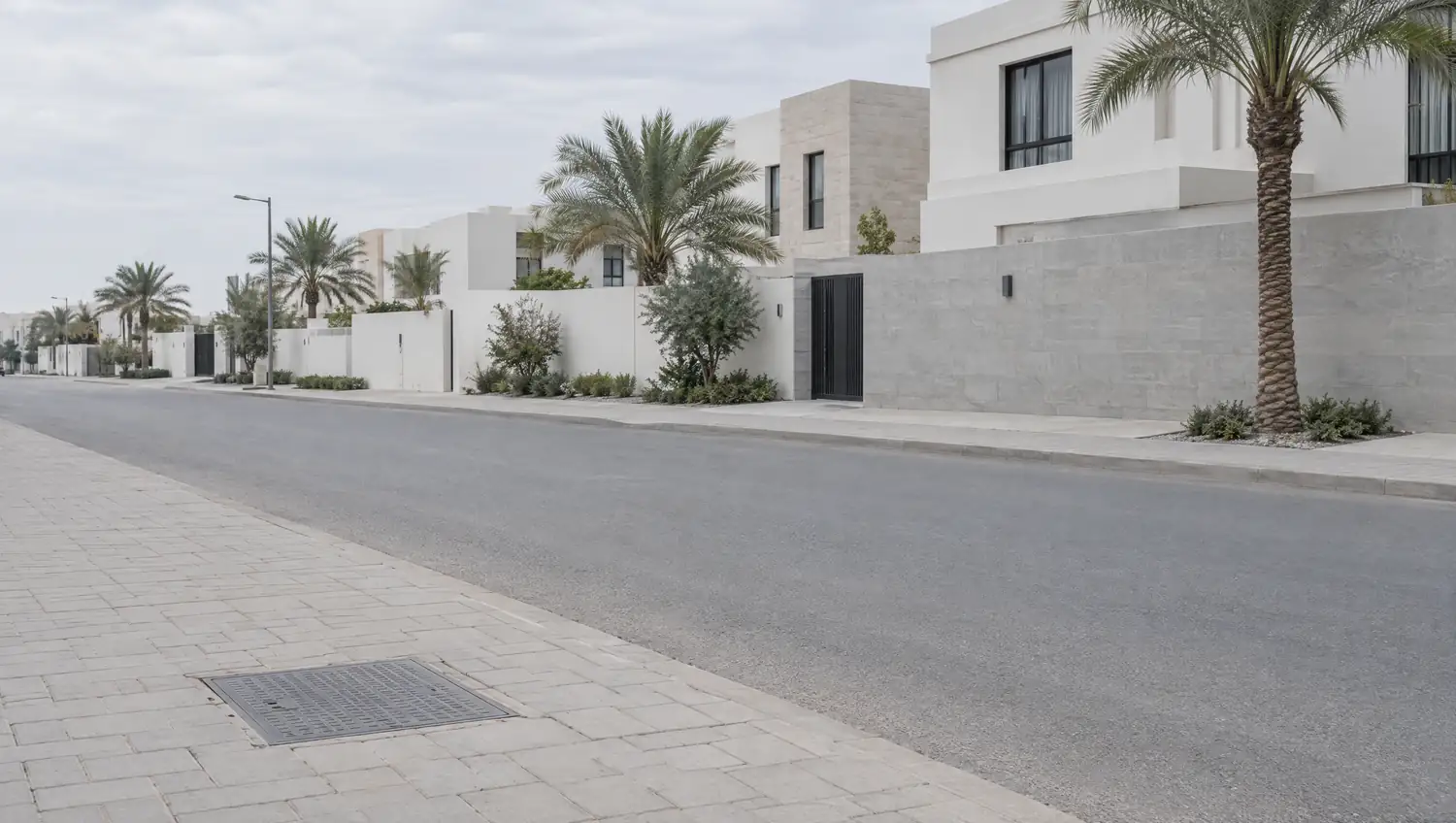
Washbasin and wall-hung basin
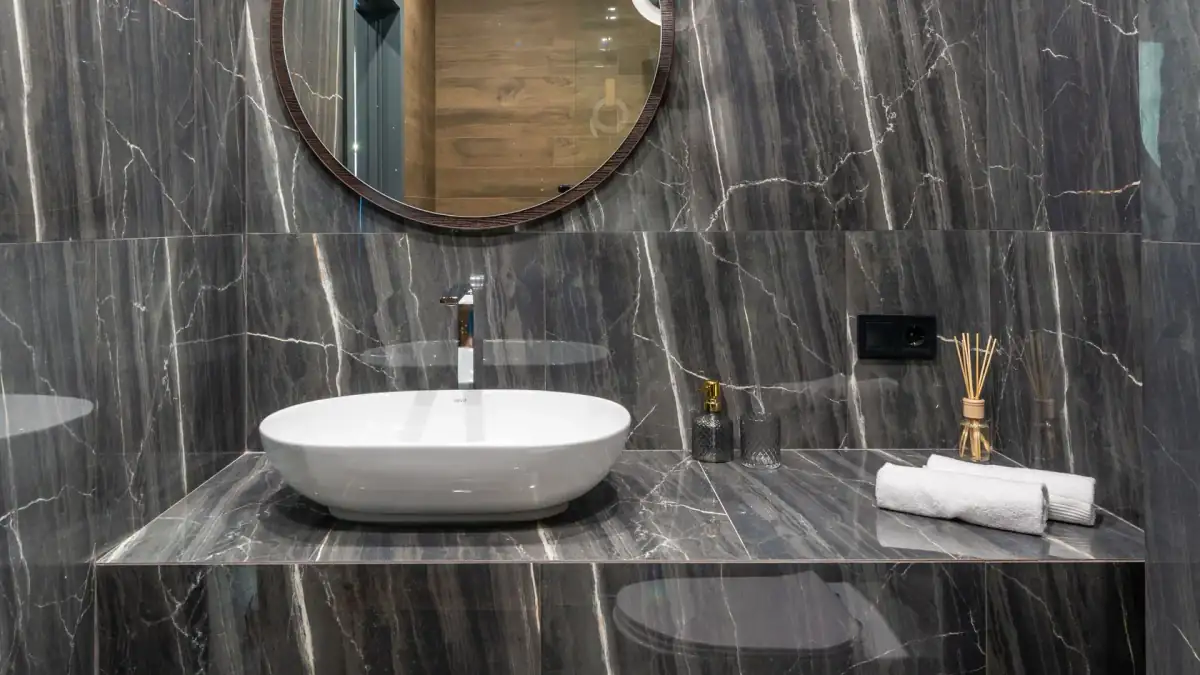
Countertop or wall-hung, with supply lines and a sealed waste trap.
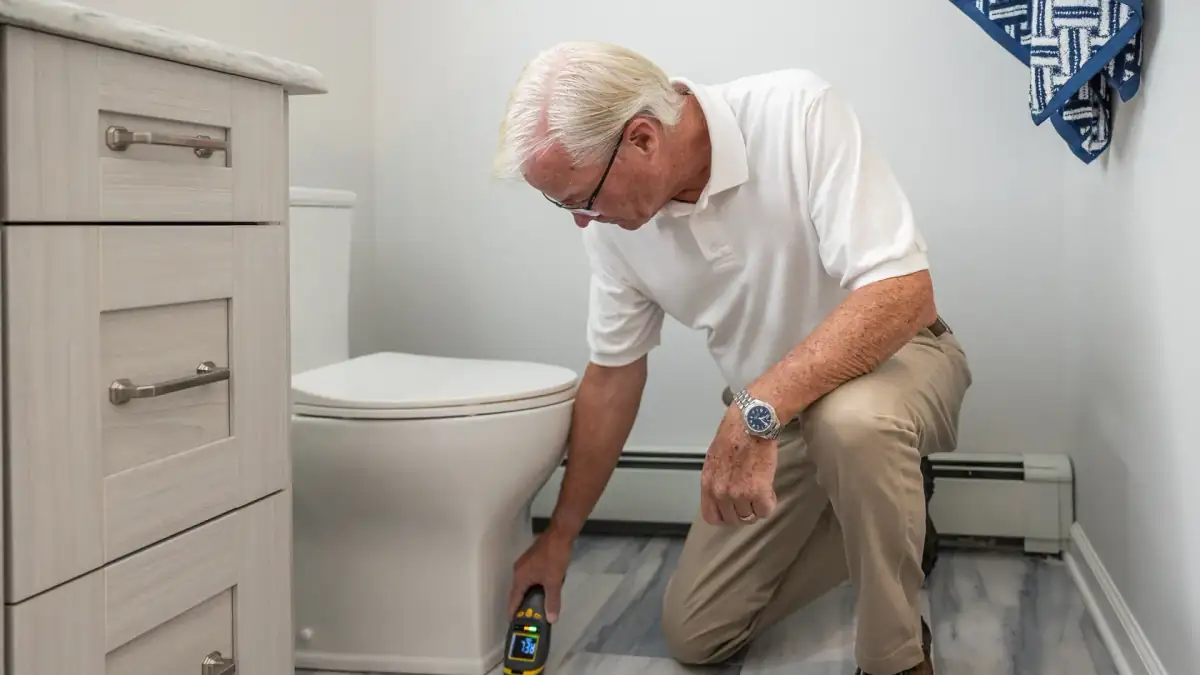
Plumbing and sanitary works
Every supply joint and waste connection is tested before the wall closes, with a camera run confirming clear drainage after each fixture is set.
Full supply, waste and sealing work for each fixture, tested before handover.
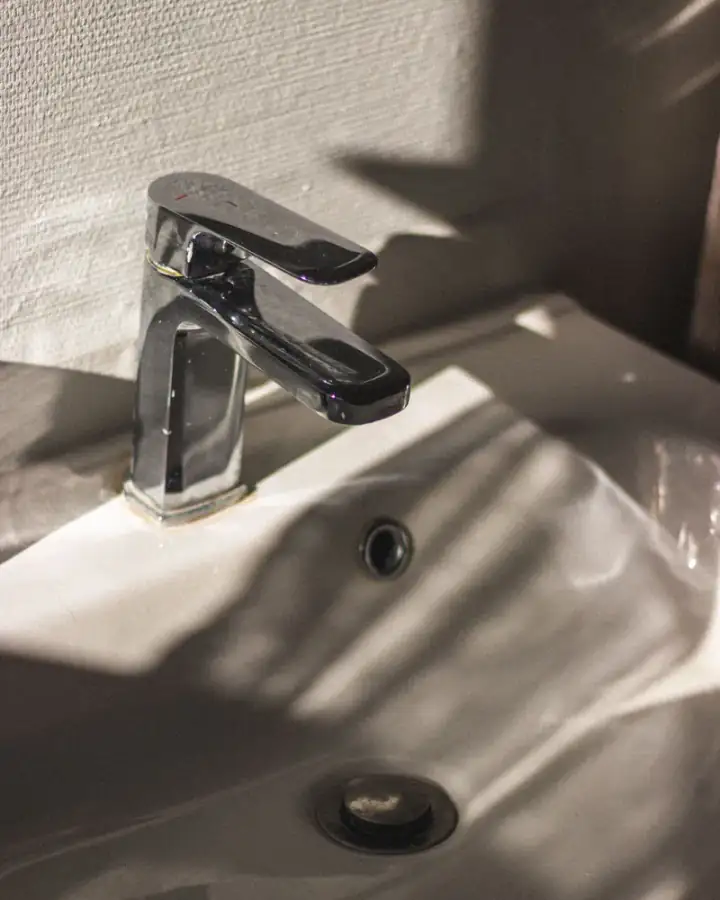
Countertop or wall-hung, with supply lines and a sealed waste trap.
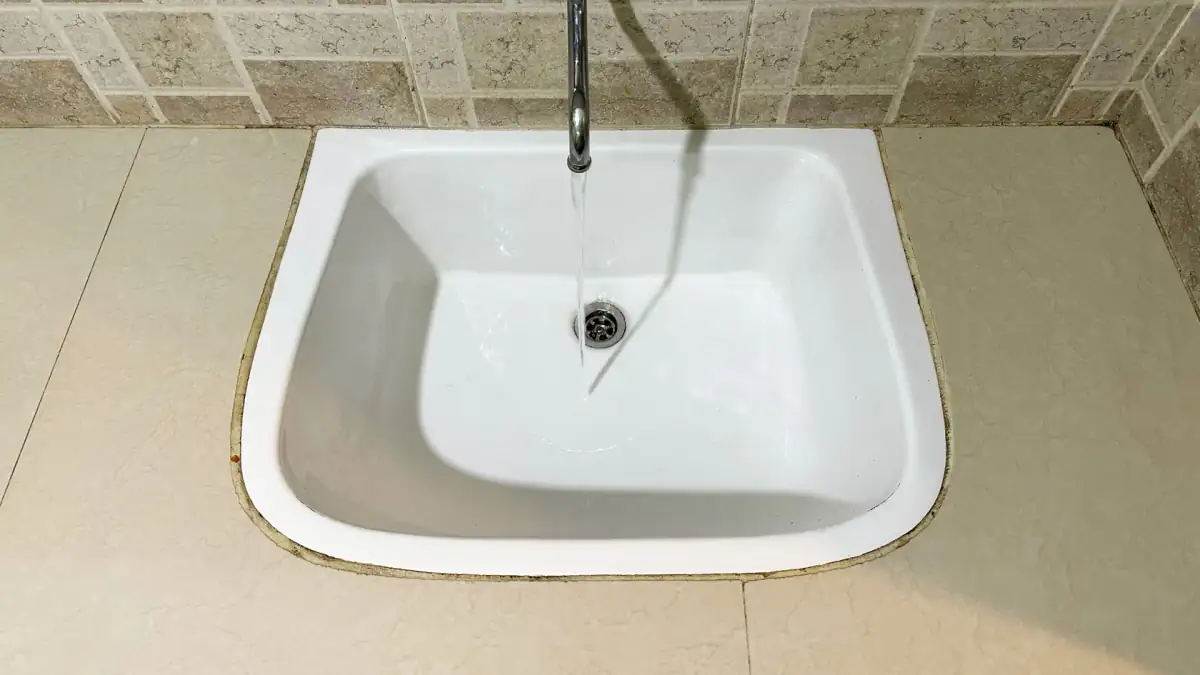
Wall or counter mount with correct waste outlet and supply valves.
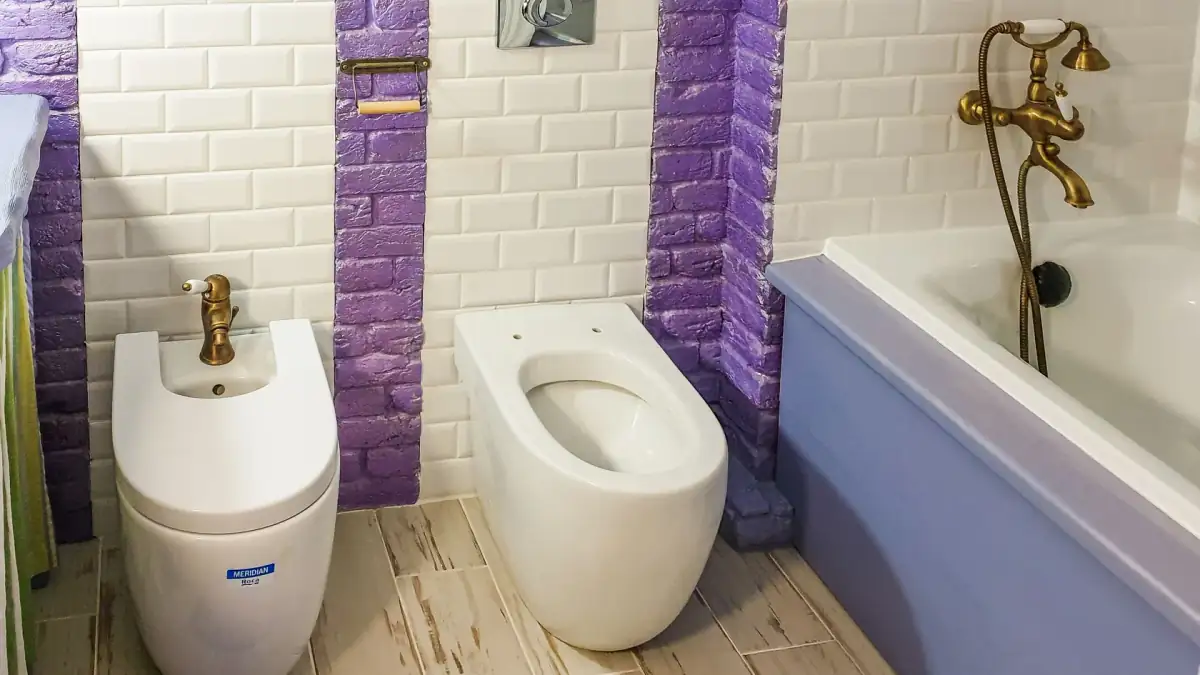
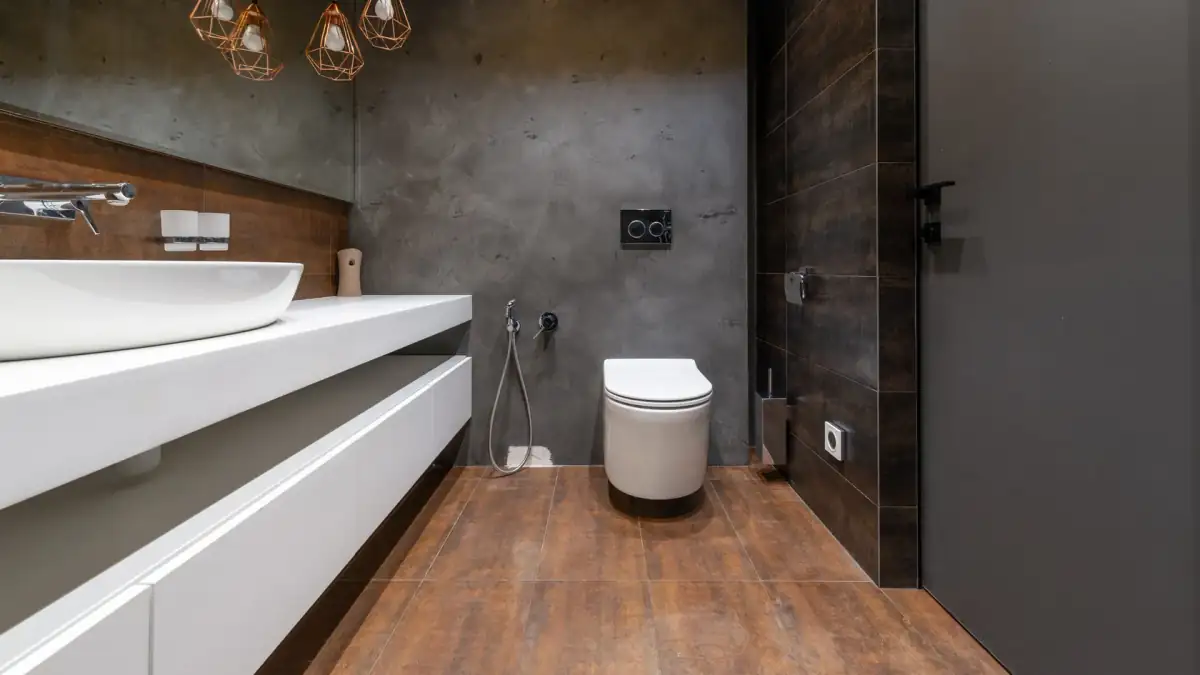
Pan, cistern or in-wall frame, sealed base and flush line fitted correctly.
Tray, linear drain, riser and mixer connected and water-tested before tiling.
Set level, overflow solvent-welded, mixer and waste fully connected.
Supply, pump and jet lines connected with pressure test before finishing.
Tell us which fixtures and which bathroom need installation.
Technician confirms outlet positions and checks fixture alignment.
Fixtures are set, supply lines and waste traps connected and sealed.
Supply opened and every joint watched before any access is closed.
Each fixture runs in front of the owner confirming drain and seal.
Applied to threaded joints so the connection seals under supply pressure without cracking the fitting.
Every fixture gets a fresh trap gasket; reusing the old one is a common source of a slow leak.
Absorb vibration and allow alignment without stressing the pipe stub inside the wall.
Applied at the base of basins, toilets and tubs to block moisture from tracking behind the fixture.
Sealing walls before testing hides a dripping joint until a ceiling below stains or buckles.
Setting the waste outlet at the wrong height forces tile-breaking later just to reposition the pipe.
Excessive torque cracks the fitting body or splits the thread, causing a hidden drip under the basin.
Bolting a wall-hung basin into tile alone without a solid wall anchor causes it to pull away over time.
In most Kuwaiti homes the supply and waste pipes are buried behind tiles, so the visit starts by locating each outlet stub before any connection is touched. Wall-hung fixtures need anchors driven into the structural wall, not just the tile surface. Shower trays and bathtubs rely on a drain fall that is measured and confirmed before the surround is finished, because correcting the gradient afterward means lifting the tiles.
Kuwait's hard water leaves scale on fittings over time, so braided flexible connectors are used on supply tails to let the fitting align without stressing the wall stub. Every trap gasket is replaced new; reusing the original is one of the most common sources of a slow drain leak discovered weeks later. After each connection is made, the supply is opened and the joint is watched for a full minute before any access point is closed or painted.
Jacuzzi installation adds a check of the pump supply and jet lines before the frame is closed in, because access afterward is expensive. A concealed-frame wall-hung toilet needs its height and position locked in before the surrounding wall is built. In every case, the fixture is run in front of the owner at the end of the visit: the drain clears cleanly, the base seal shows no weeping and the supply holds pressure before the job is signed off.
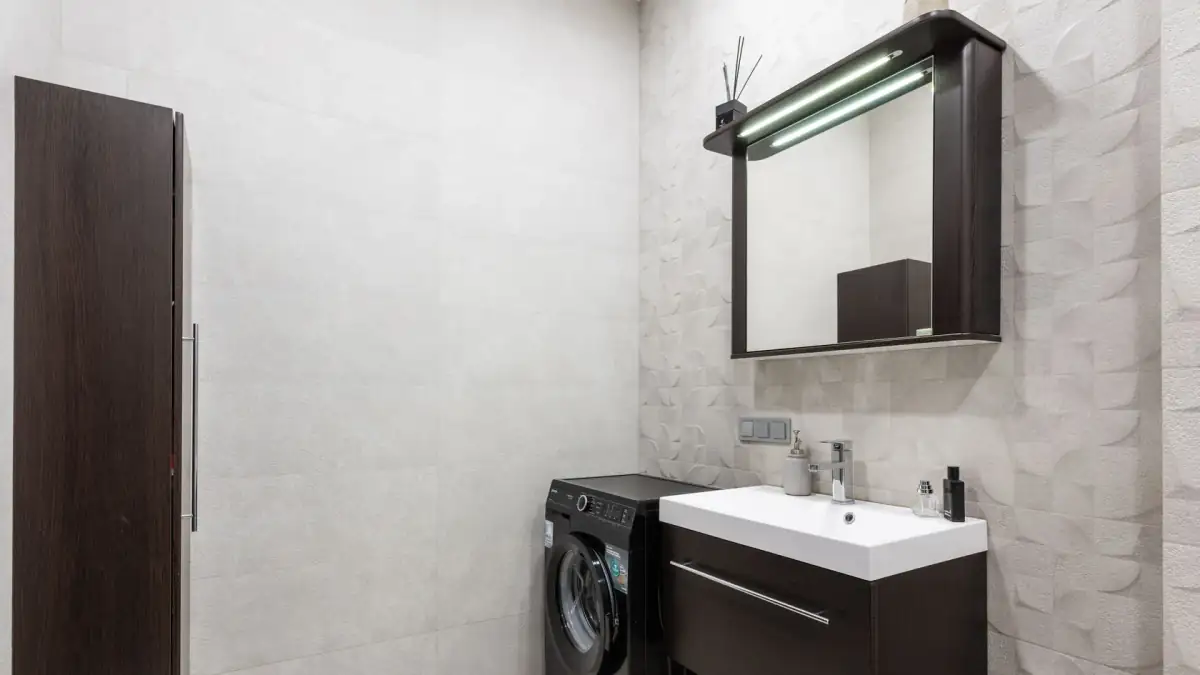
Part of Plumbing and sanitary works · All services · Back to the home page
No fixed price list applies; these factors shape the quote for each fixture installation.
A jacuzzi or in-wall toilet frame involves far more steps than a countertop basin.
Buried or misaligned stubs may need limited breaking to reach and adjust.
Installing a full bathroom in one visit costs less per piece than separate call-outs.
Upper floors and confined spaces add to the labour time required.
If tile-breaking is needed to reach a pipe, finishing reinstatement adds to the total.
Same method, same equipment. Only the size of the job changes.
Why us
Amana means trust. Someone else’s home is not ours to be careless in.
Do not take our word for it. Look at the work yourself.
The leak is marked before a single tile comes up.
A leak does not wait for the morning.
Six governorates, 139 areas.
For buildings and complexes, servicing before the problem starts.
Restaurants, offices and complexes, not only homes.
Six governorates, 139 areas.
Common questions
Need someone now? The emergency line is open any hour.
+965 9668 4964
It depends on where the existing waste outlet sits. If the outlet position and height align with the in-wall frame, only limited breaking is needed. The site check confirms this before any work starts.
A wall-hung basin must be anchored into the structural wall, not just the tile. Fixing into tile alone causes the basin to pull away over time. A countertop basin is simpler to set but still needs a level surface and sealed waste connection.
Yes. A full shower installation covers setting the linear drain channel with the correct fall built into the floor bed before tiles go down. Getting the gradient right at this stage prevents pooling water on the finished floor.
The pump needs a dedicated electrical circuit. We handle all the water and pump connections, but the electrical supply point needs to be in place before the frame is closed, either already fitted or coordinated with an electrician.
A small shift is sometimes possible using a short offset fitting, but a larger move requires rerouting the drain pipe to preserve the correct fall. Losing that gradient causes slow drainage and blockages. The site check tells us which applies.
The supply is opened and every joint is watched for drips, and every trap drain is run, with you present before anything is sealed. The technician does not approve closing any access panel or wall until you have confirmed there is no leak.