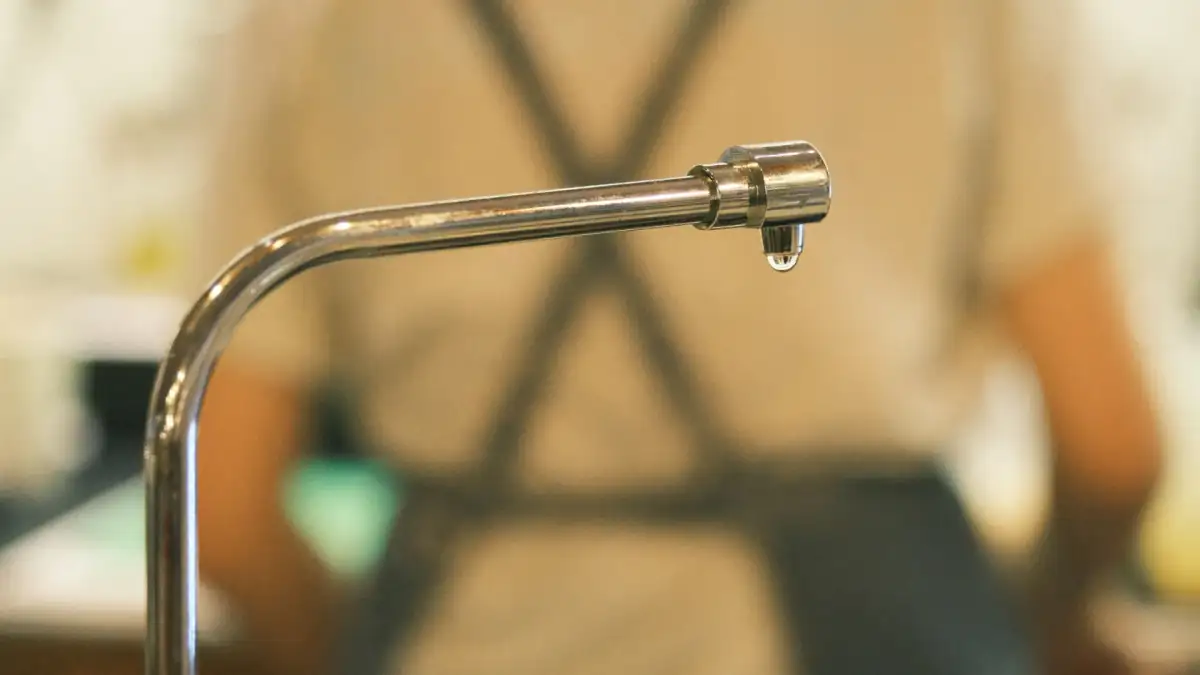
Dripping mixers
Source diagnosed; cartridge or seals replaced only as needed
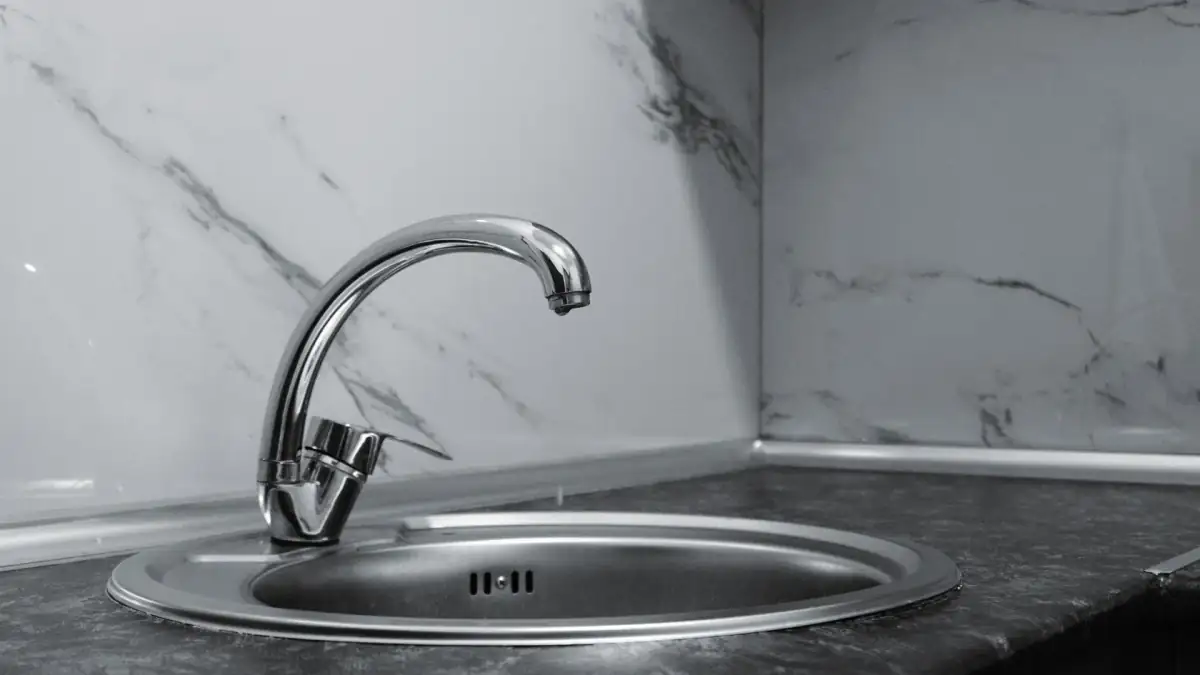
Plumbing and sanitary works
Hard Kuwait water leaves scale inside every mixer and valve; we find the real cause before swapping parts, so the fault does not return next month
Every fault that affects mixers and faucets in homes, kitchens and commercial buildings
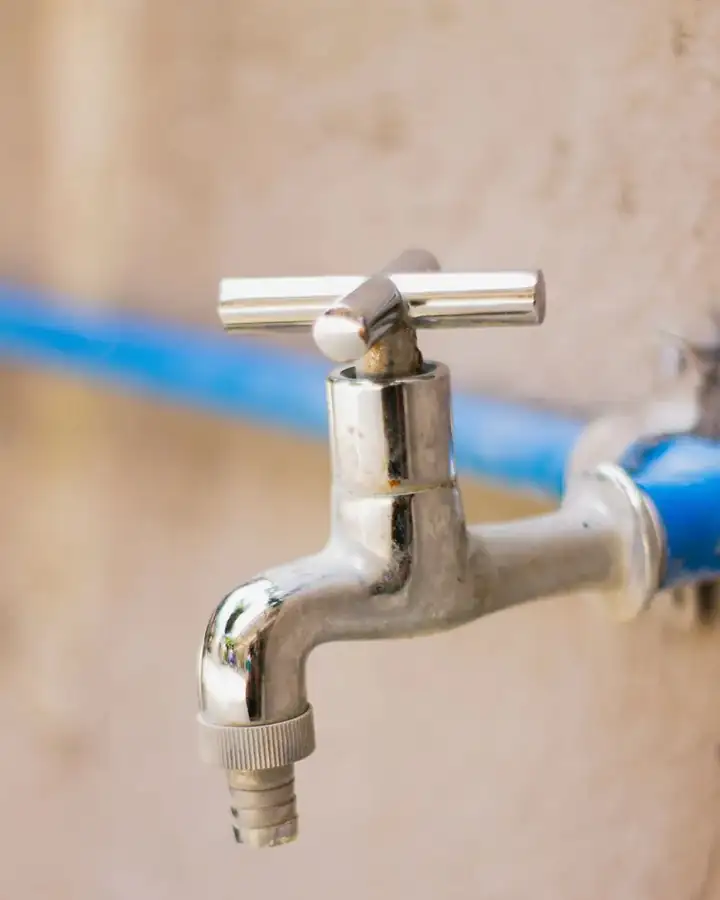
Source diagnosed; cartridge or seals replaced only as needed
Scale cleared from aerator, filter and internal mixer channels
Fault located in mixer, supply valve or feed pipe
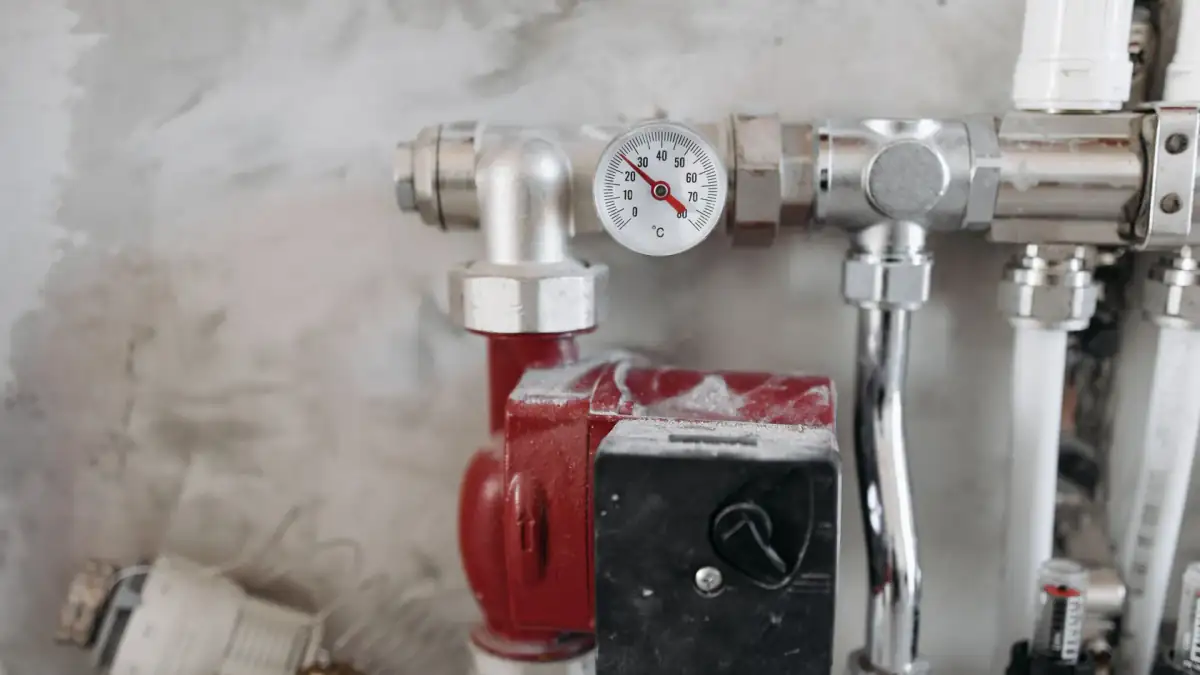
Hot and cold channels checked and balance corrected
Old unit removed, new one fitted and pressure tested after
Valve behind each fixture checked for full shut-off
Describe the fault and send a photo if possible
Technician checks mixer, valve and leak source
Scope and cost explained before any work starts
Parts cleaned or replaced; valves adjusted and seated
Flow and seal integrity tested before the technician leaves
If scale is the cause, a new cartridge fails just as fast
A clogged aerator looks like low pressure and gets wrongly treated as a pump fault
Forcing fittings cracks the mixer body and causes leaks weeks later
Working without a local isolation valve needlessly cuts water to the whole building
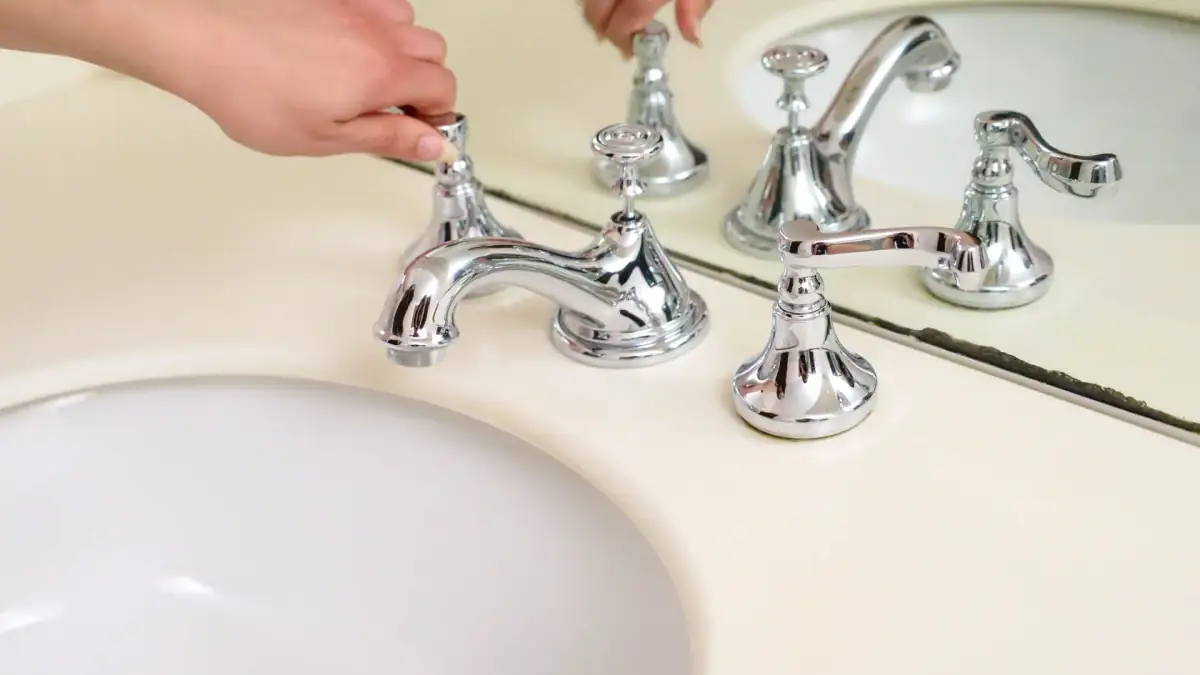
Note whether the drip comes from the spout, the base or the supply connection
Close the valve behind the fixture and confirm whether it shuts fully
Brown or rust-coloured water points to old galvanised pipes, not just a mixer fault
Knowing the brand and rough age helps confirm whether spare parts are available
Kuwait water is hard and mineral-heavy, and summer heat speeds up calcium deposits inside aerators, internal filters and the mixer body long before the cartridge shows wear. The first step is always separating the fault type: a scale blockage that can be cleared, a worn seal or cartridge that needs replacing, or a leak at the supply connection. Getting that right at the start avoids unnecessary part swaps.
Once the mixer is removed, the body is inspected for cracks in the brass or internal plastic, and both hot and cold channels are flushed clean. Heavy scale is treated before any new part goes in, because fitting a cartridge into a partially blocked channel brings the fault back fast. After reassembly the mixer is tested under the actual line pressure to confirm every seal is holding.
The isolation valve behind each mixer is the first line of defence for any future repair, and many older Kuwaiti homes either lack one or have a valve seized from years of disuse. Every visit includes checking that valve and replacing it if it no longer closes fully, because a mixer with no working isolation valve forces a full building water cut for every future job.
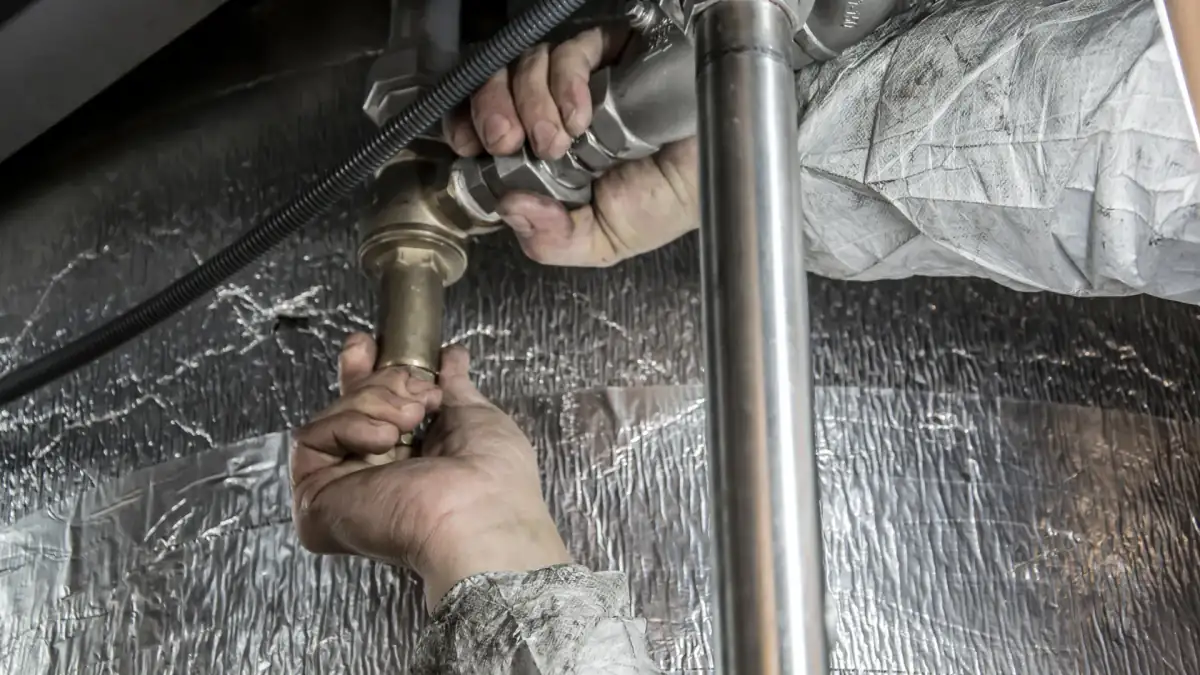


Part of Plumbing and sanitary works · All services · Back to the home page
No fixed rate applies; the quote depends on fault type, fixture model and what the job actually needs
Scale cleaning is simpler and faster than cartridge swap or crack repair
Older or obscure mixers may need hard-to-source spare parts
A working isolation valve reduces time; its absence adds complexity
Confined or elevated locations take longer to access and reassemble
Calls outside standard hours or on public holidays are priced differently
Same method, same equipment. Only the size of the job changes.


Why us
Amana means trust. Someone else’s home is not ours to be careless in.
Do not take our word for it. Look at the work yourself.
The leak is marked before a single tile comes up.
A leak does not wait for the morning.
Six governorates, 139 areas.
For buildings and complexes, servicing before the problem starts.
Restaurants, offices and complexes, not only homes.
Six governorates, 139 areas.
Common questions
Need someone now? The emergency line is open any hour.
+965 9668 4964
Yes, as long as the isolation valve behind the mixer closes fully. If that valve is seized or missing we fix it first, so future repairs never need a full building water cut.
A worn cartridge or internal seal is the usual cause, but heavy mineral scale can also stop the cartridge closing fully. We clear the internal channel before deciding whether a new cartridge is needed.
Not necessarily. The fault may be in the water heater or in the hot supply line rather than the mixer itself. We check both the hot source and the mixer performance in the same visit.
Yes, multiple mixers can be dealt with in a single visit as long as the required parts are available.
Usually yes. A base leak on a new mixer typically points to an incorrectly tightened connection or a seal that was not fully seated during installation. The cause is confirmed before anything is dismantled.
When the mixer body is cracked, spare parts are no longer available, or scale has permanently damaged the internal channels. We make that assessment after the inspection and explain it clearly before proceeding.