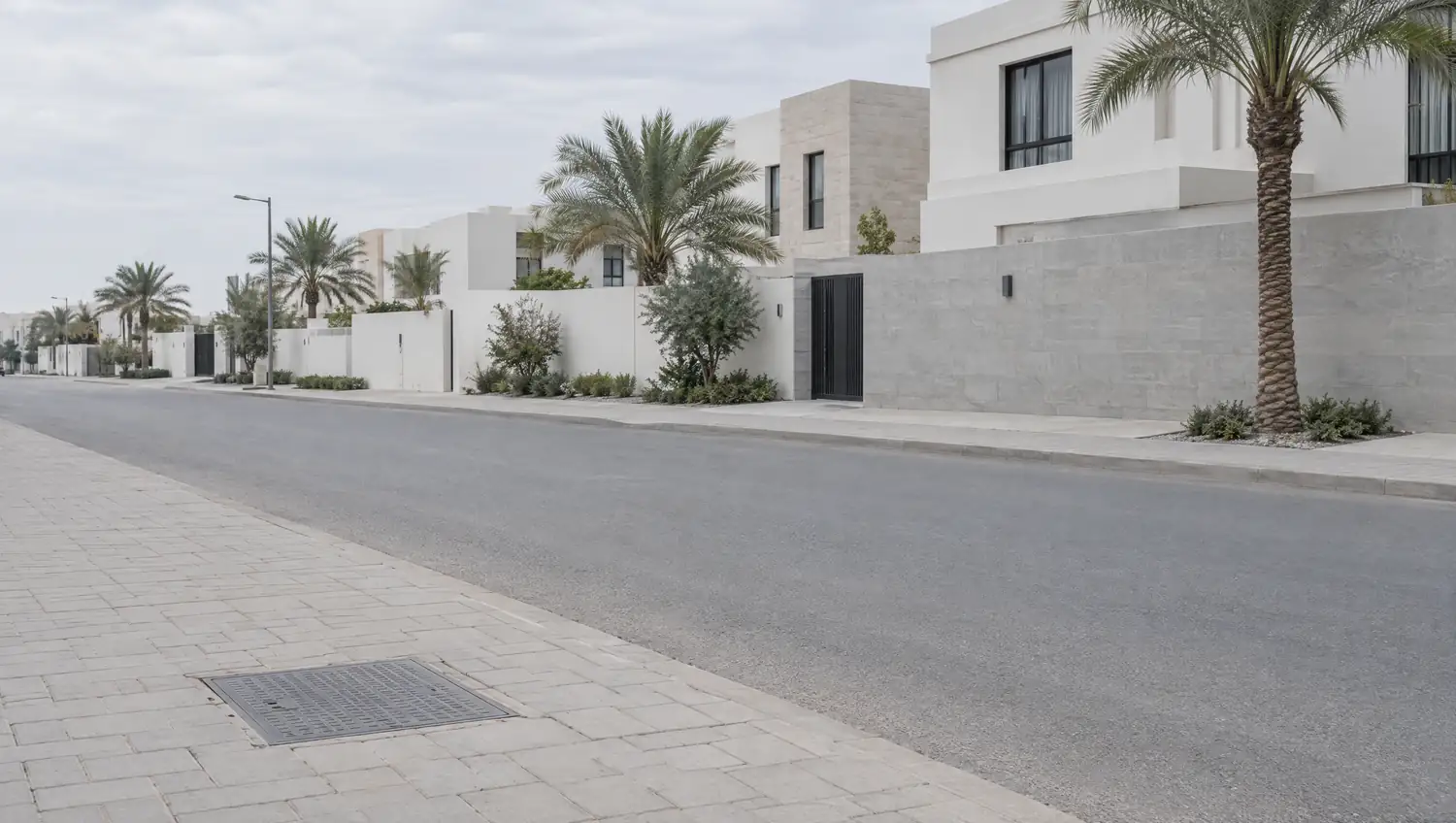
Roof tank installation
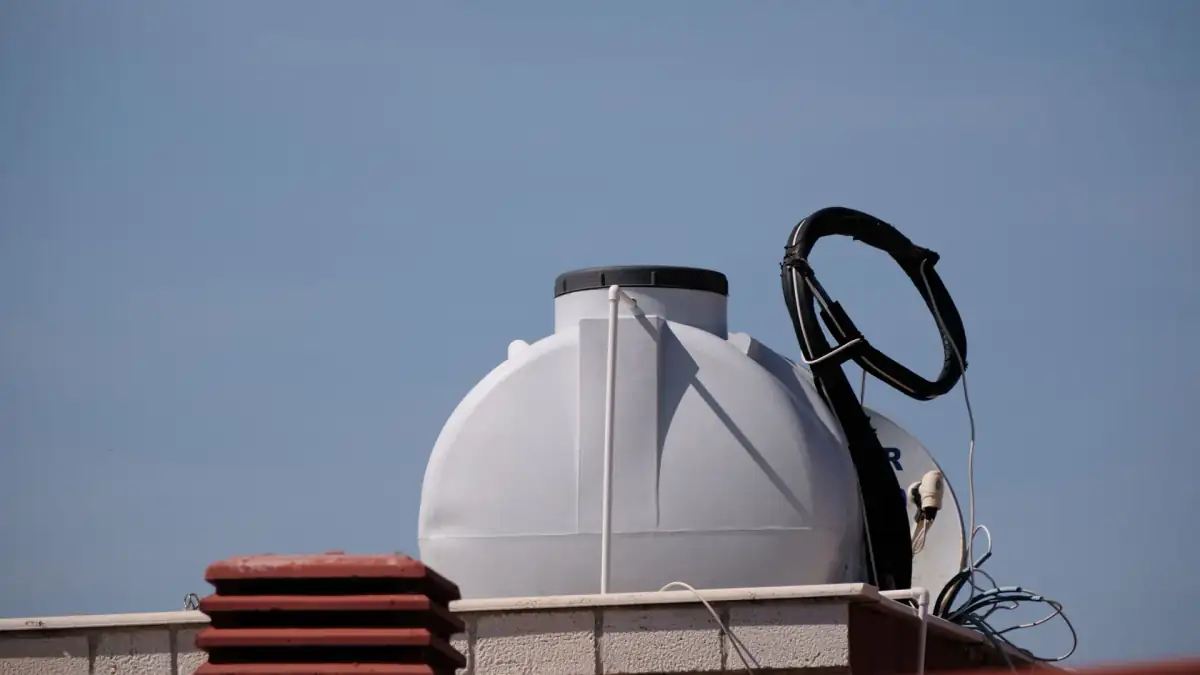
Polyethylene tank set on roof with supply, overflow and pump lines connected
Plumbing and sanitary works
Roof or underground, every tank is fitted to the right capacity, sealed tight and connected to your pump system before we leave
Roof and underground tank installation with all pipe and pump connections included
Polyethylene tank set on roof with supply, overflow and pump lines connected
Watertight underground tank built with access hatches and rising main connected
Mains supply connected to tank with float valve and isolation fitted
Overflow routed away from the building at correct fall to prevent backflow
Transfer or pressure pump connected to tank and tested under load
Full network pressure test after installation confirms every joint holds
Call or WhatsApp us with building type and number of units
Technician visits to assess required capacity and pipe routes
Tank specification and materials confirmed and readied before installation day
Tank set, pipes run, pump and isolation valves all connected
Full pressure test and float valve check before handover
Damp marks below a roof tank or unexplained level drop without usage point to a cracked tank wall
A full tank with low pressure often means the tank capacity or pump is no longer matched to the building demand
Rust-coloured water or a metallic smell from old iron tanks is a clear sign the tank must be replaced
A new build or added floor with no tank yet needs capacity assessed and tank fitted before occupation
Know whether you need a roof tank or an underground tank as each requires different site preparation
The number of floors and residential units determines the correct tank capacity before ordering
Knowing where the existing transfer or pressure pump sits lets the technician plan the new connection route
Confirm the stairway or roof hatch is clear because installing a roof tank requires lifting materials to height
Work begins with an assessment of the required capacity based on the number of floors, units and expected daily demand. An undersized tank causes pressure drops during peak hours, while an oversized one lets water sit too long and affects quality. Once capacity is confirmed, the correct position on the roof or in the ground is chosen with attention to structural load distribution and the shortest practical pipe route.
Roof tanks are set on a raised support base that allows drainage for cleaning and eases future maintenance access. Underground tanks require a reinforced concrete pit with internal waterproofing and correctly sized access hatches. In both cases, PPR supply, overflow and return lines are run, float and isolation valves are fitted, and the suction line is connected to the transfer pump that feeds the building's internal network.
Once all connections are made, a pressure test is run across the full network to confirm every joint holds before work is closed up. The test also verifies that the float valve cuts off cleanly at the correct fill level and that the overflow discharges at a sufficient fall. Kuwait's high summer temperatures mean exposed roof pipework must be in heat-resistant material, as standard pipe grades soften and fail much sooner under direct sun.

Part of Plumbing and sanitary works · All services · Back to the home page
No fixed price list applies; these factors shape the quote for each installation
Larger or multiple tanks raise material and labour costs significantly
Underground tanks require excavation, concrete work and waterproofing unlike roof tanks
Longer supply and overflow runs require more pipe, fittings and labour hours
A new tank that needs a different pump specification adds the pump cost to the quote
High rooftops or confined spaces increase working time and may require lifting equipment
Same method, same equipment. Only the size of the job changes.

Why us
Amana means trust. Someone else’s home is not ours to be careless in.
Do not take our word for it. Look at the work yourself.
The leak is marked before a single tile comes up.
A leak does not wait for the morning.
Six governorates, 139 areas.
For buildings and complexes, servicing before the problem starts.
Restaurants, offices and complexes, not only homes.
Six governorates, 139 areas.
Common questions
Need someone now? The emergency line is open any hour.
+965 9668 4964
A roof tank is easier to access for maintenance but exposed to Kuwait's summer heat. An underground tank keeps water cooler but always needs a pump to deliver pressure. The right choice depends on available roof space, number of floors and the existing pump arrangement.
There is no single answer; correct capacity depends on the number of occupants, bathrooms and the pump system. Capacity is determined during the site visit after reviewing actual daily demand, not from a fixed formula.
Yes, an underground tank requires excavation to the right dimensions and a concrete pit with waterproofing. The scale of work depends on tank size, ground conditions and equipment access to the site.
If the existing pump specification matches the new tank size it can remain in place. The technician checks pump compatibility during the site visit and advises whether any adjustment is needed.
Exposed roof tanks in Kuwait absorb direct sun and retain heat well into the night. Installing an insulated tank or fitting a reflective cover significantly reduces water temperature in the system.
Yes, installations are carried out in houses, apartments, residential complexes and commercial buildings across all 6 Kuwait governorates.